OpenAI's free Cookbook offers hundreds of working examples, maintained by the API's own engineers. Paid GPT courses on Udemy often recycle this content, lagging months behind.
Key facts
- OpenAI Cookbook has hundreds of working Jupyter notebook examples.
- Examples are written by OpenAI's own API engineers.
- New examples land the same day a feature ships.
- Paid Udemy courses lag by three months on average.
- Covers function calling, RAG, fine-tuning, agents, and evals.
OpenAI maintains a free, publicly available repository of Jupyter notebooks and guides called the OpenAI Cookbook. According to @hasantoxr, it contains hundreds of working examples that cover the full spectrum of the company's API capabilities.
The Cookbook includes end-to-end walkthroughs for function calling, structured outputs, RAG (chunking, embeddings, hybrid search), fine-tuning, agent architectures, vision reasoning, prompt engineering patterns, evals, and latency optimization. Each example is written by the engineers who built the API feature, and new patterns ship the same day a feature launches — before they appear on X, YouTube, or third-party courses.
"It beats most paid courses because it's written by the engineers who wrote the API," the source notes. "Paid courses are three months behind by the time you buy them." The repository is actively maintained, with updates landing as soon as new API features are released.
This reality check highlights a structural inefficiency in the AI education market: third-party course creators often repackage freely available official documentation and examples, then charge for access. Udemy's best-selling GPT courses, for instance, frequently mirror Cookbook content with delayed updates.
What the Cookbook covers
- Function calling and structured outputs
- RAG: chunking, embeddings, hybrid search
- Fine-tuning walkthroughs
- Agent architectures and multi-turn workflows
- Vision and image reasoning
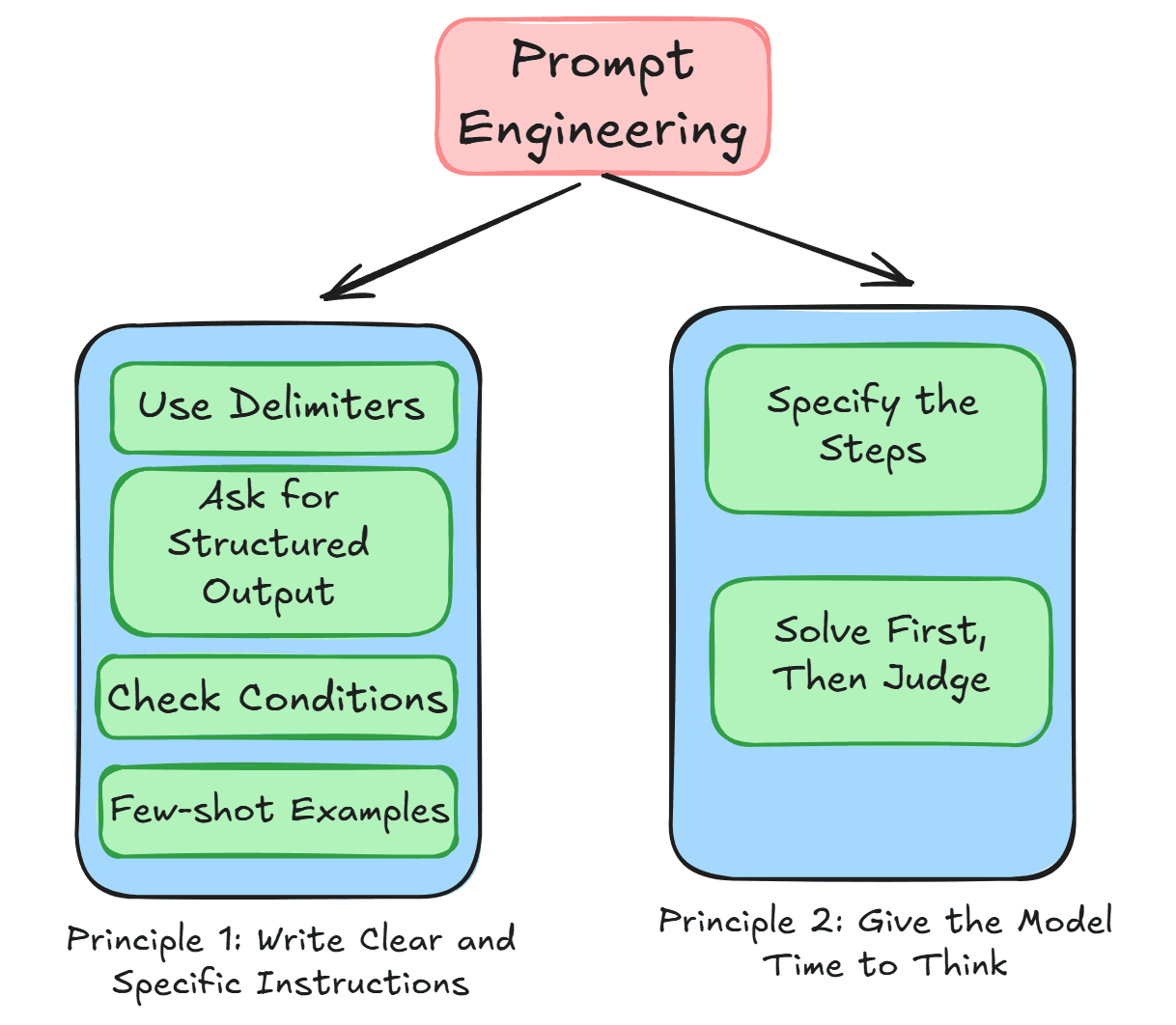
- Prompt engineering patterns
- Evals and grading
- Latency, cost, and token optimization
Why this matters
For developers building on OpenAI's platform, the Cookbook eliminates the need for paid courses as a primary learning resource. The official repository offers production-shaped examples that are more current and directly authored by the same engineers who maintain the API. This creates an asymmetric information advantage for those who consult the Cookbook first.
OpenAI has not disclosed how many developers use the Cookbook, nor whether it plans to monetize it. The repository is hosted on GitHub and is freely accessible.
What to watch
Watch for OpenAI to potentially productize the Cookbook with a paid tier or certification program, similar to how AWS and Google Cloud monetize their training content. Also monitor whether third-party course platforms adjust pricing or update frequency in response.