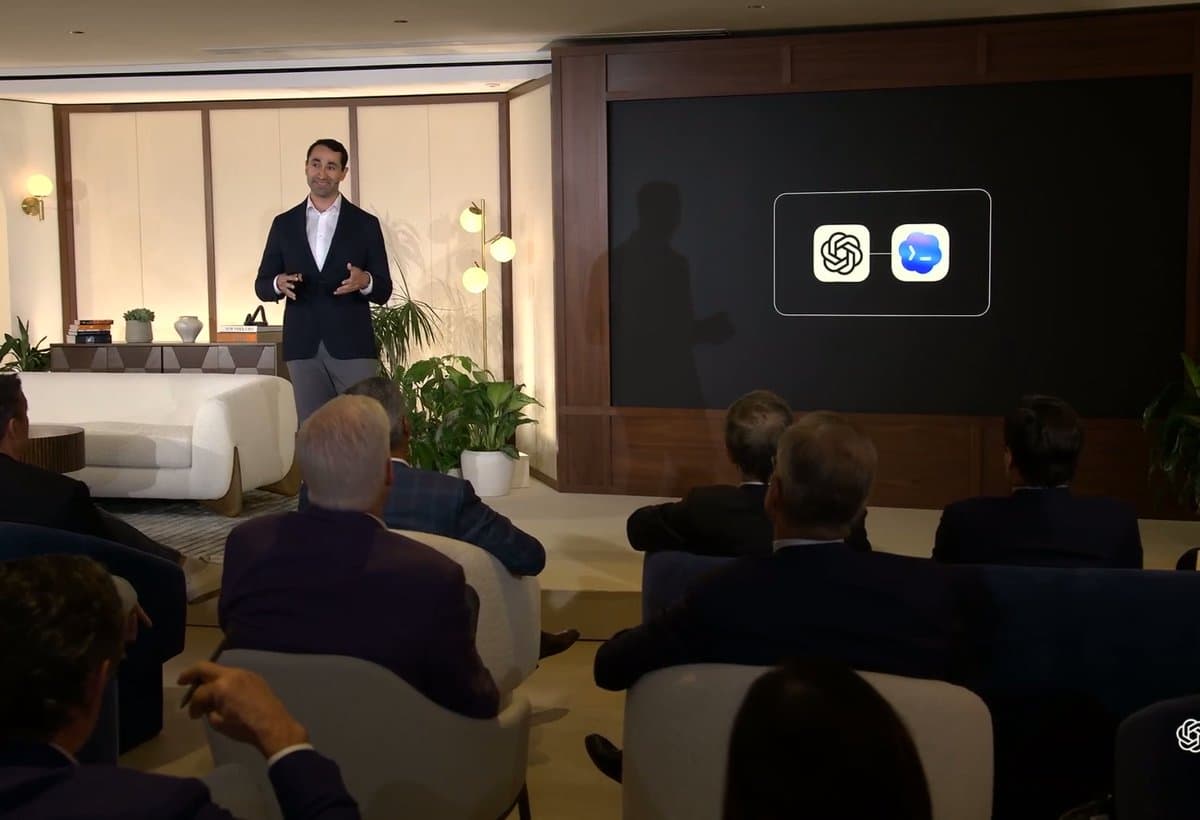
OpenAI is merging Codex into ChatGPT, discontinuing the standalone API for code generation. The move, reported by @mweinbach via @diegocabezas01, ends the dedicated code model's separate existence.
Key facts
- Codex launched August 2021.
- Codex powers GitHub Copilot.
- Standalone API discontinued.
- ChatGPT Plus at $20/month.
- Copilot unaffected by API change.
OpenAI is merging Codex into ChatGPT, discontinuing the standalone API for code generation. The news, first reported by @mweinbach citing @diegocabezas01, marks a significant shift in how developers access OpenAI's code-generation capabilities.
Key Takeaways
- OpenAI merges Codex into ChatGPT, discontinuing standalone API.
- Developers must now use chat interface for code generation.
The End of a Dedicated Code API
Codex, launched in August 2021, was the model behind GitHub Copilot and the original Codex playground. It offered a specialized API for generating code from natural language, targeting developers building custom coding assistants and automation tools. The standalone API allowed fine-tuning and direct integration into IDEs and CI/CD pipelines.
By merging Codex into ChatGPT, OpenAI is eliminating that dedicated endpoint. Users now access code generation through the same chat interface used for text, image, and reasoning tasks. The change aligns with OpenAI's broader strategy to consolidate capabilities into a single conversational agent, as seen with the integration of DALL·E and Whisper into ChatGPT.
Impact on Developers and Workflows
The merger has immediate implications for developers who built products on the Codex API. Custom pipelines that relied on the dedicated endpoint must be rewritten to use ChatGPT's chat completions API, which handles code generation but with a different interface and context management. Pricing for the merged offering has not been disclosed, but ChatGPT Plus subscribers already access GPT-4 code generation at $20/month.
GitHub Copilot, which runs on a fine-tuned Codex model, is not directly affected by this API change. Microsoft has its own licensing agreement with OpenAI and continues to operate Copilot as a separate product.
Why This Matters More Than It Seems
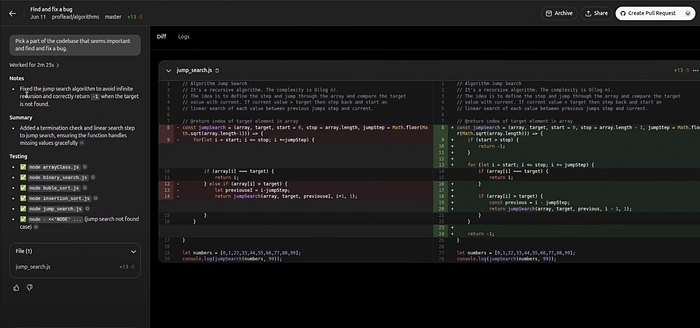
The unique take here is that OpenAI is prioritizing conversational experience over API flexibility. By merging Codex into ChatGPT, the company forces developers to adopt a chat-based interaction model, which trades latency and control for simplicity and context retention. This is a bet that most code generation use cases benefit from multi-turn conversation rather than one-shot API calls — a structural shift in how AI coding tools are designed.
What to Watch
Watch for developer backlash and migration patterns. If a significant portion of Codex API users move to Anthropic's Claude API or open-source alternatives like Code Llama, OpenAI may reverse course or offer a separate code-optimized endpoint. Also watch for pricing announcements — if ChatGPT Plus remains $20/month, the merger effectively lowers the cost of code generation for power users.
What to watch
Watch developer migration to Anthropic's Claude API or open-source Code Llama in the next 90 days. Also monitor OpenAI's Q2 2026 developer survey for satisfaction metrics on the merged code generation experience.