Oracle has partnered with Quantinuum to deploy the Helios quantum computer on Oracle Cloud Infrastructure (OCI). The move positions Oracle against AWS and Azure in the race to offer quantum computing as a cloud service.
Key facts
- Oracle partners with Quantinuum for Helios on OCI
- Helios is a trapped-ion quantum computer
- Helios expected to reach 56 qubits
- Financial terms of partnership not disclosed
- Deployment positions Oracle against AWS and Azure
Oracle has partnered with Quantinuum to deploy the Helios quantum computer on Oracle Cloud Infrastructure (OCI), according to @DCDnews. Helios is a trapped-ion quantum computer that is designed to scale beyond current noisy intermediate-scale quantum (NISQ) systems. The deployment on OCI marks a significant move for Oracle, positioning it against cloud rivals like AWS and Azure in the quantum computing space.
Key Takeaways
- Oracle partners with Quantinuum to deploy Helios quantum computer on OCI, positioning against AWS and Azure.
- Helios targets 56 qubits, with financial terms undisclosed.
Why This Matters
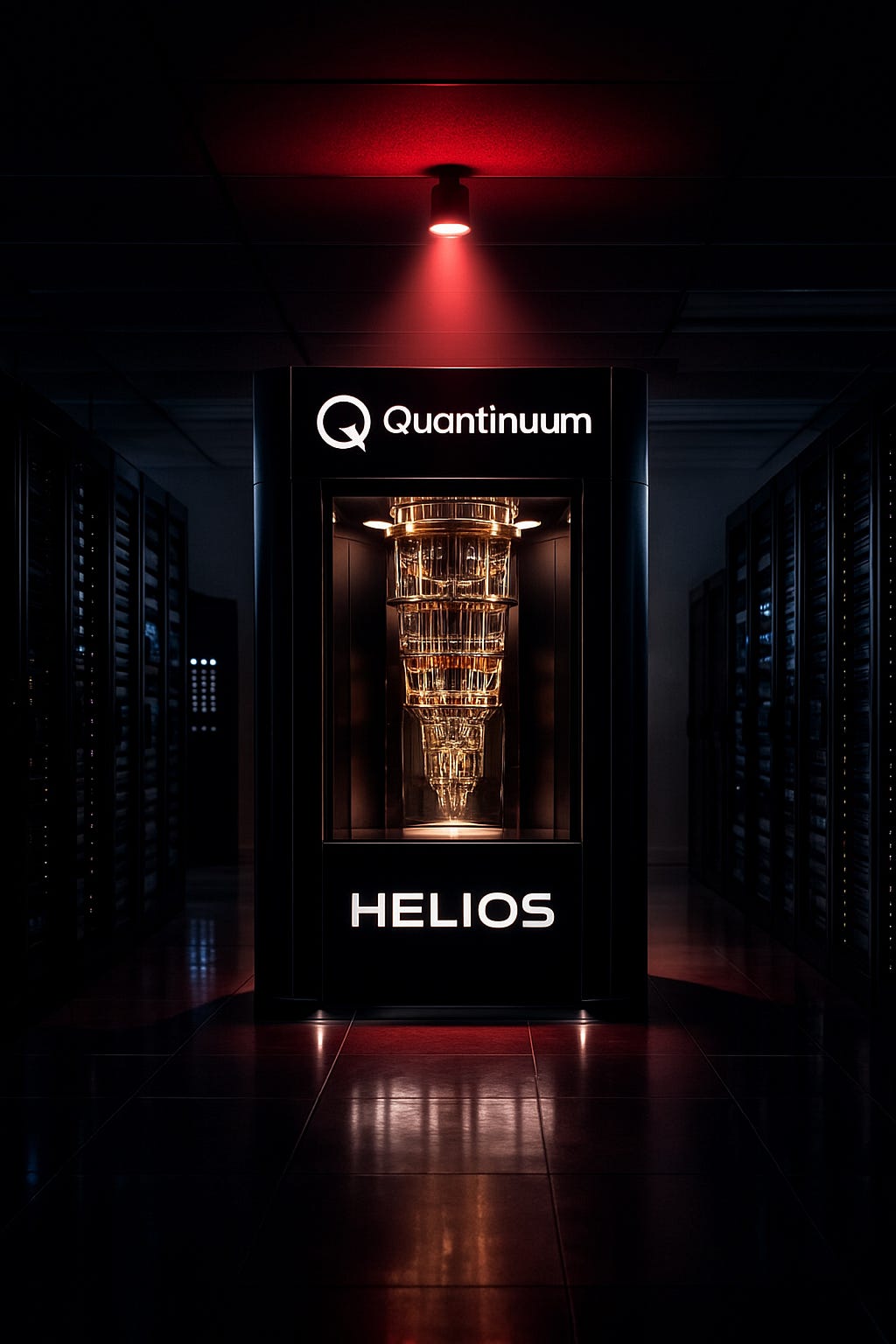
Quantinuum's Helios is expected to reach 56 qubits, a step toward fault-tolerant quantum computing. This is notable because most current quantum systems are limited to around 100 qubits but suffer from high error rates. Helios, by contrast, uses a trapped-ion architecture that offers higher fidelity and coherence times, making it more viable for practical applications in cryptography, materials science, and drug discovery.
The partnership also signals a strategic shift for Oracle, which has been slower to adopt quantum computing compared to its competitors. AWS offers Braket, Azure has Azure Quantum, and Google has its own quantum AI lab. By integrating Helios into OCI, Oracle is betting that its enterprise-focused cloud will attract customers who need secure, scalable quantum access without having to build their own hardware.
The Competitive Landscape

This is not Oracle's first foray into quantum. The company has previously dabbled in quantum-inspired optimization, but Helios represents its first major commitment to a full-scale quantum computer. The financial terms of the Oracle-Quantinuum partnership were not disclosed. However, the move is likely part of a broader trend where cloud providers are increasingly partnering with quantum hardware startups to offer access as a service.
Quantinuum, a joint venture between Honeywell and Cambridge Quantum, has been a leader in trapped-ion technology. Helios is its latest generation, and the company has been vocal about its roadmap toward fault-tolerant systems. The deployment on OCI could give Oracle a first-mover advantage in the enterprise quantum cloud market, especially among industries like finance and healthcare that are already heavily invested in Oracle's ecosystem.
What to Watch
Watch for the timeline of Helios's deployment on OCI and whether Oracle offers it as a pay-per-use service. Also monitor Quantinuum's roadmap for Helios upgrades beyond 56 qubits, and any competitive responses from AWS or Azure that could undercut Oracle's pricing or performance claims.