The Innovation — What the source reports
Perigold, Wayfair's nine-year-old luxury home furnishings counterpart, is executing a counter-cyclical growth strategy while the broader luxury market slows. According to an interview with Global Head Rebecca Ginns at Shoptalk Spring, the brand has enjoyed "very strong double-digit growth" since its 2017 launch.
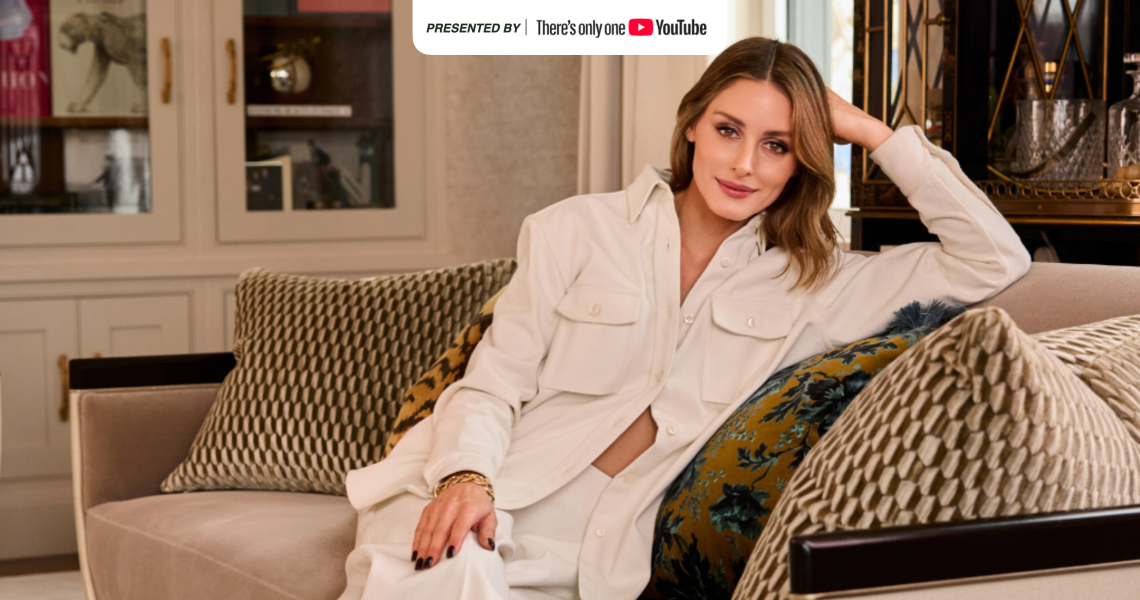
In 2025, Perigold opened its first two physical stores in Houston and West Palm Beach, marking a significant shift from its pure-play e-commerce origins. The brand is also investing in high-profile content collaborations to drive awareness. Its first major collaboration centered on fashion icon Olivia Palermo's apartment, decorated with Perigold pieces. The company plans similar quarterly collaborations and will expand its curation program to include influencers alongside the current roster of interior designers.
Ginns positions these moves—stores, collaborations, and its existing digital marketing and print catalogs—as "awareness plays" aimed at a customer who "loves fashion but hasn’t really started to learn the luxury home brands yet."
Why This Matters for Retail & Luxury — Concrete scenarios and departments
This strategy highlights a nuanced playbook for luxury retail expansion in a challenging economic climate, with clear implications for several departments:
- Real Estate & Store Planning: Perigold's move into physical retail, specifically eyeing vacant department store locations, represents a strategic real estate play. For luxury brands, this signals an opportunity to acquire premium retail space at potentially favorable terms while competitors retrench. The store format serves as a high-touch brand showcase and discovery channel, crucial for a category like luxury home where tactile experience matters.
- Marketing & Brand Partnerships: The shift to quarterly, fashion-adjacent content collaborations (like the Olivia Palermo project) is a direct bid to capture the attention and spending of affluent consumers who follow fashion influencers. This requires marketing teams to build new partnership pipelines with tastemakers outside the traditional home decor sphere.
- E-commerce & Technology: Perigold operates with a separate buying team and curated product assortment but leverages Wayfair's core technology and supply chain infrastructure. This "luxury experience on mass infrastructure" model is a blueprint for conglomerates seeking to launch or scale premium sub-brands without building entirely separate tech stacks. It allows for operational efficiency while maintaining brand distinction.
- B2B / Trade Sales: The growth of Perigold's trade program for designers, architects, and contractors highlights a valuable B2B segment within luxury home. The gated portal that allows professionals to cross-shop between Wayfair's contract-grade products and Perigold's luxury items creates a sticky, professional workflow tool.
Business Impact — Quantified if available, honest if not
The source does not provide specific revenue figures for Perigold, as Wayfair Inc. does not break out earnings by brand. However, the parent company reported total net revenue of $12.5 billion for 2025, a 5.1% year-over-year increase. Perigold's claimed "double-digit growth" suggests it is outperforming the corporate average.

The business impact is strategic rather than purely financial at this stage:
- Market Positioning: It establishes Perigold as a serious player in the luxury home space, moving beyond a niche online experiment.
- Customer Acquisition: The physical stores and influencer collaborations are designed to acquire new, affluent customers who may not be on Wayfair's core platform.
- Asset Utilization: Leveraging Wayfair's existing tech and logistics infrastructure allows Perigold to scale its "luxury experience" with capital efficiency.
Implementation Approach — Technical requirements, complexity, effort
Implementing a strategy like Perigold's requires careful orchestration:
- Brand & Curation Independence: Maintaining a separate, luxury-caliber buying and curation team is non-negotiable to ensure product selection and branding remain distinct from the parent mass-market brand.
- Technology Integration: The technical architecture must allow for a separate, premium front-end customer experience (website, app, in-store systems) while seamlessly integrating with the parent company's back-end systems for order management, inventory, and supply chain. This likely involves API-driven services and potentially a headless commerce setup.
- Data Segmentation: Customer data must be carefully managed to respect the distinct brand perceptions. While there may be insight sharing, the customer experience and communication for a Perigold shopper should feel entirely separate from that of a Wayfair shopper.
- Physical-Virtual Alignment: Opening physical stores requires integrating inventory systems, enabling services like click-and-collect, and ensuring in-store associates have tools to access the full digital catalog and customer profiles.
Governance & Risk Assessment — Privacy, bias, maturity level
- Brand Dilution Risk: The primary risk is brand dilution. If the operational lines between Wayfair and Perigold become visible to the luxury customer (e.g., shared packaging, customer service, or delivery networks), it could undermine Perigold's premium positioning. Governance must enforce strict service-level agreements (SLAs) between the brands.
- Data Privacy & Segmentation: Robust governance is needed to define what customer data can be shared between brands for group-level analytics versus what must remain siloed to protect brand-specific customer relationships.
- Partnership Scrutiny: The influencer and designer collaboration strategy carries reputational risk. The brand must thoroughly vet partners to ensure alignment with luxury values and avoid controversies.
- Economic Sensitivity: While growing now, Perigold is targeting the affluent segment, which is not immune to economic downturns. Its success is tied to discretionary spending on high-end home goods, a category that can be volatile.
gentic.news Analysis
Perigold's strategy is a case study in leveraging mass-market infrastructure to serve a luxury segment—a model with clear parallels in AI deployment for retail. The brand's ability to run a separate, curated front-end experience powered by Wayfair's back-end technology mirrors how retailers should think about AI: building differentiated customer-facing applications (like highly personalized curation engines or virtual design assistants) on top of shared, robust foundational models and data platforms.
This approach aligns with the trend of composable, API-driven architecture we've covered extensively. For instance, the ability to quickly integrate new data sources or AI services—similar to how Perigold integrates new designer collaborations—is enabled by flexible platforms. While the provided Knowledge Graph data focuses on developer tools like Sim (an AI workflow automation platform) and Git, the underlying principle is relevant: efficiency and agility in building complex systems. A luxury brand building a bespoke AI recommendation system might use a tool like Sim to orchestrate workflows between its product catalog, customer data, and a large language model, while relying on Git for version control and collaboration across data science and engineering teams.
Perigold's physical expansion also underscores that even for digitally-native luxury brands, physical touchpoints remain critical for discovery, trust, and high-value transactions. Any AI strategy in luxury retail must therefore be omnichannel, considering how intelligence gathered online can enhance the in-store experience, and vice-versa.