What It Does — Session Transfer Without Context Loss
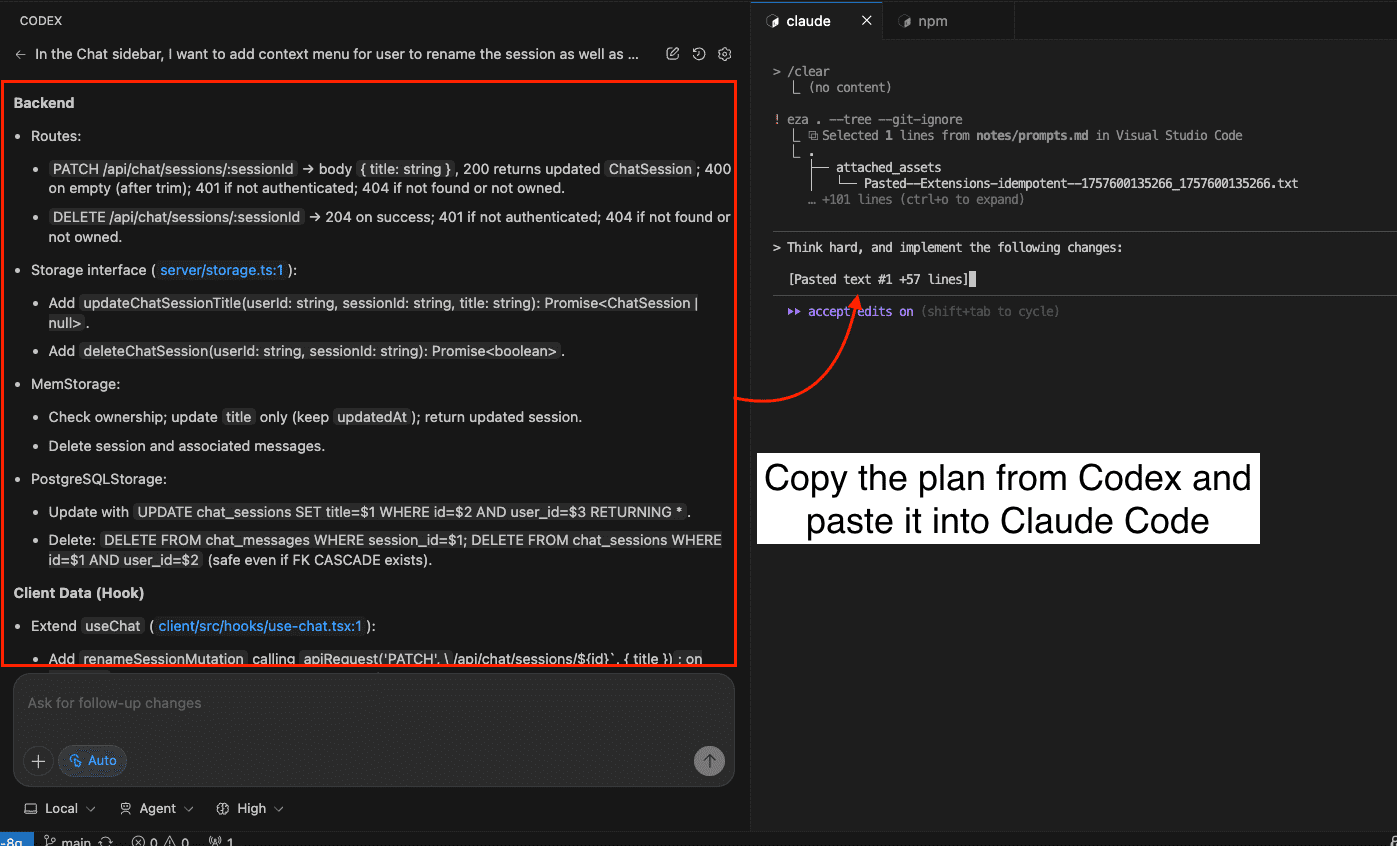
RSES (pronounced "resume") is a new CLI tool that solves a specific but critical problem for developers using multiple AI coding assistants: how to transfer an active coding session between different tools without losing context. With a single command like rses claude with codex --last, you can:
- Read the current Codex session (including task description, git log, last N conversation turns, and file pointers)
- Build a structured handoff document
- Launch Claude Code with that context as the first message
- Continue working exactly where you left off
The tool works in all six directions between Claude Code, Codex CLI, and OpenCode, making it a true polyglot for AI-assisted development workflows.
Setup — Zero Configuration Required
Installation is straightforward:
npm i -g rses-cli
That's it. The tool is ~1200 lines of code with one dependency (commander for CLI parsing) and uses Node 22+'s built-in SQLite for session indexing. No configuration files, no API keys to manage (it reads from your existing tool configurations), and no complex setup.
When To Use It — Specific Workflow Scenarios
1. Model-Switching for Specialized Tasks
Start a complex refactoring in Claude Code, then hand off to Codex 5.3 for specific optimization patterns where Codex excels. The shorthand command rses cc w cdx --last transfers the entire session context.
2. Cost Optimization
Begin exploratory work with Claude Opus 4.6 in Claude Code, then switch to a more cost-effective model in OpenCode once the architecture is solidified, preserving all the reasoning and decisions made.
3. Tool-Specific Features
Use Claude Code for its superior MCP server integration and GitHub awareness, then switch to another tool for features unique to that platform, all while maintaining session continuity.
4. Collaborative Handoffs
When pairing with another developer who prefers a different toolchain, you can export your session state and they can import it into their preferred environment.
How It Works Under the Hood
RSES reads the session storage formats of each tool (which are typically JSON or SQLite databases), extracts:
- The original task description
- Git history and current state
- Conversation history (configurable with
--last N) - File pointers and current working directory context
It then structures this into a coherent narrative that the receiving tool can understand as a "pre-filled" session, effectively creating a warm start rather than a cold beginning.
Integration with Existing Claude Code Workflows
This tool complements rather than replaces existing Claude Code features. You can still use:
- CLAUDE.md for project-specific instructions
- MCP servers for tool integration
- Auto Mode for autonomous execution
RSES simply adds the ability to exit Claude Code, switch to another tool, and return later without context loss—or to leverage multiple tools in a single development session.
Limitations and Considerations
- Currently CLI-only (no IDE integration)
- Requires Node 22+ for SQLite support
- Session transfer is one-way at a time (though you can chain commands)
- Doesn't transfer tool-specific configurations, only session context
For developers who regularly switch between AI coding assistants based on task requirements, RSES eliminates the friction of restarting conversations and re-explaining context.