What Happened
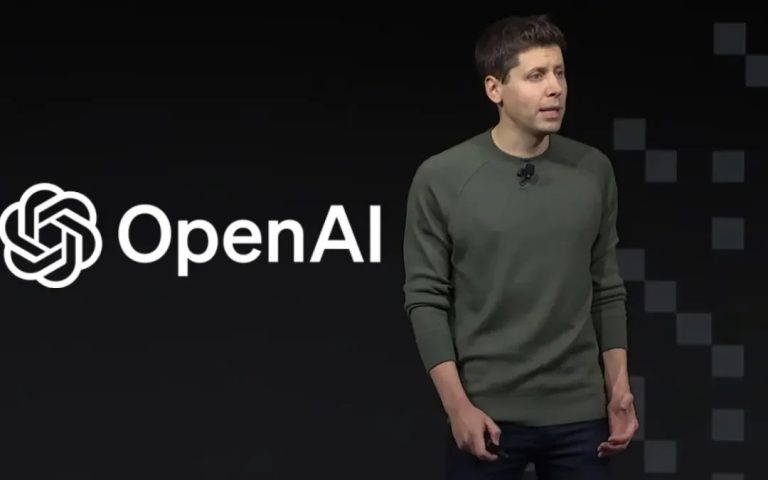
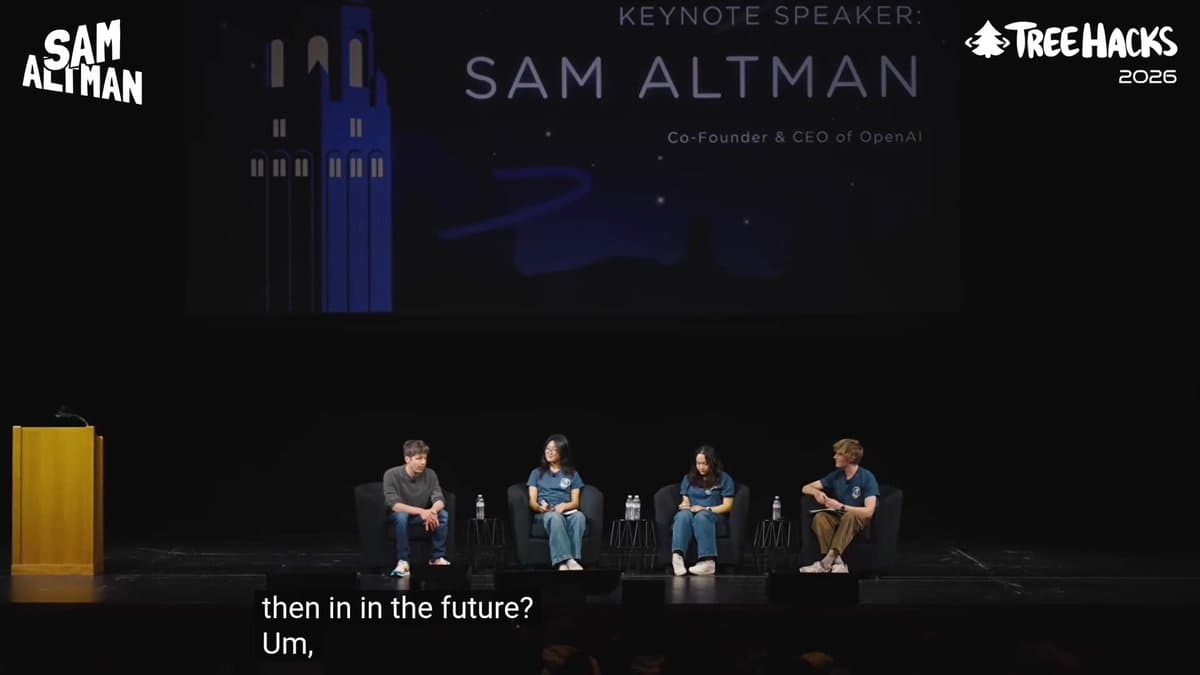
In a recent interview, OpenAI CEO Sam Altman was asked how one might compete with OpenAI in the future. His response drew a parallel to OpenAI's own origins and offered a pointed warning to current AI startups.
Altman recalled that when OpenAI was founded, the consensus was that competing with an incumbent like Google was "impossible." He noted that OpenAI's success was partly due to Google's failure to act quickly on its own AI research. However, he explicitly stated that this historical pattern does not create a viable playbook for new companies today.
"Startups today cannot win by simply creating another ChatGPT grade model," Altman said.
Context
Altman's argument shifts the competitive focus from foundational model development to application discovery. He posits that the next "much bigger and more successful companies than OpenAI" will emerge not from direct model competition, but from teams that explore the vast "option space" of potential AI applications—building unique products and services in domains that OpenAI and other large labs have not yet addressed.
This perspective comes as the market sees a proliferation of companies fine-tuning or deploying open-source models that are derivatives of architectures pioneered by OpenAI, Google, and Meta. Altman's statement suggests he views this as a crowded and ultimately non-viable path for building a standalone, massive company.