Sarasota County, Florida, enacted a one-year moratorium on new hyperscale data center developments, citing energy and water concerns. The move follows a similar pause by Palm Beach County in July 2026.
Key facts
- Sarasota County moratorium: one year, effective July 2026.
- Threshold: facilities >100,000 sq ft or >50 MW power.
- Palm Beach County also paused AI data center applications.
- google-cloud" class="entity-chip">Google Cloud has a $1.2B facility in Jacksonville, Florida.
- Loudoun County, VA imposed stricter rules in 2025.
Sarasota County, Florida, has enacted a one-year moratorium on new hyperscale data center developments, citing concerns over energy demands and water usage. The move follows a similar decision by Palm Beach County, which halted new AI data center applications in July 2026 [According to Suncoast Searchlight](https://news.google.com/rss/articles/CBMihgFBVV95cUxQMWFrUGdpQ3QxZm5ZUFJVR1JJSkhqalRnclhJWkVkaTZOdlUtbUtnSFlGZTFNS0plWU53Yld5NDJRaUJYekNrTTNiTTlLcXk5T1o1R3lvelRVdzRmWW9MVmVkTTZlTHB1bFJRY2dmeE5TXzJHY2VDZElWUENyTlpVSXAzLWJGZw?oc=5]. The ordinances reflect growing local pushback against the infrastructure demands of AI compute clusters.
What the Moratorium Covers

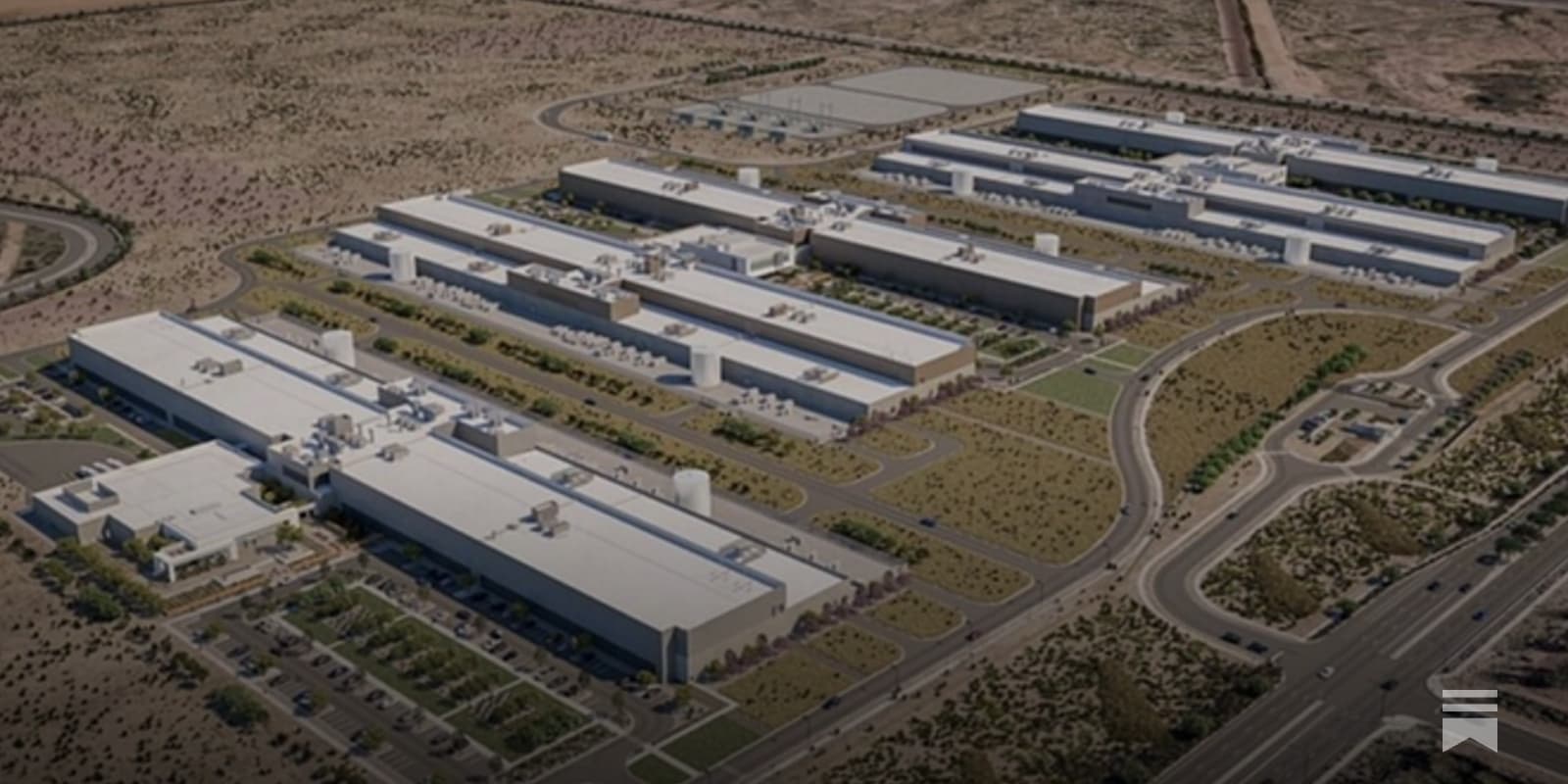
The Sarasota County moratorium applies to any data center facility exceeding 100,000 square feet or requiring more than 50 megawatts of power capacity — effectively targeting hyperscale projects that serve cloud providers like Google Cloud, AWS, and Microsoft Azure. The one-year pause takes effect immediately, giving county planners time to study zoning rules, grid capacity, and environmental impacts before new permitting resumes.
Palm Beach County's moratorium, approved earlier in July 2026, is similarly broad, halting all new AI data center applications while officials assess water supply and electrical infrastructure. Neither county disclosed the number of pending projects affected.
Why Local Governments Are Pushing Back
Hyperscale facilities, typically consuming 100+ MW each, strain local grids and require millions of gallons of water daily for cooling. Florida's growing data center cluster — including Google Cloud's $1.2B facility in Jacksonville and multiple projects near Miami — has drawn scrutiny from local governments concerned about resource allocation. The state's power grid, already under pressure from population growth and hurricane-related outages, faces additional load from AI compute expansion.
[According to WPBF], Palm Beach County officials cited "significant concerns" about water usage in a region already grappling with saltwater intrusion and aquifer depletion. Sarasota County's ordinance similarly references "potential adverse impacts on the county's water supply and electric grid."
The Bigger Picture: A National Trend
These Florida moratoriums are not isolated. In 2025, Loudoun County, Virginia — home to the world's largest data center cluster — imposed stricter permitting requirements after residents protested noise and power line expansions. The Netherlands and Singapore have also enacted moratoriums or caps on new data centers in recent years. The pattern suggests a structural tension: AI model training demand is accelerating faster than local infrastructure can absorb it.
Google, which operates several data centers in Florida and has booked Intel to package 3 million TPUs by 2028, did not comment on the Sarasota moratorium. The company's cloud division competes with AWS and Azure for enterprise AI workloads, many of which now require proximity to data centers for low-latency inference.
What to watch
Watch for Sarasota County's zoning study findings due within 12 months, and whether other Florida counties (e.g., Miami-Dade, Duval) follow with similar moratoriums. Also track Google Cloud's alternative site selection in the Southeast U.S. if Florida permitting tightens further.
Source: news.google.com