The Technique — The Three Stages of AI Adoption
In a recent fireside chat, Simon Willison outlined a clear progression for developers using AI tools:
- The Helper Stage: You use a chat interface (like ChatGPT) to ask questions and get occasional snippets.
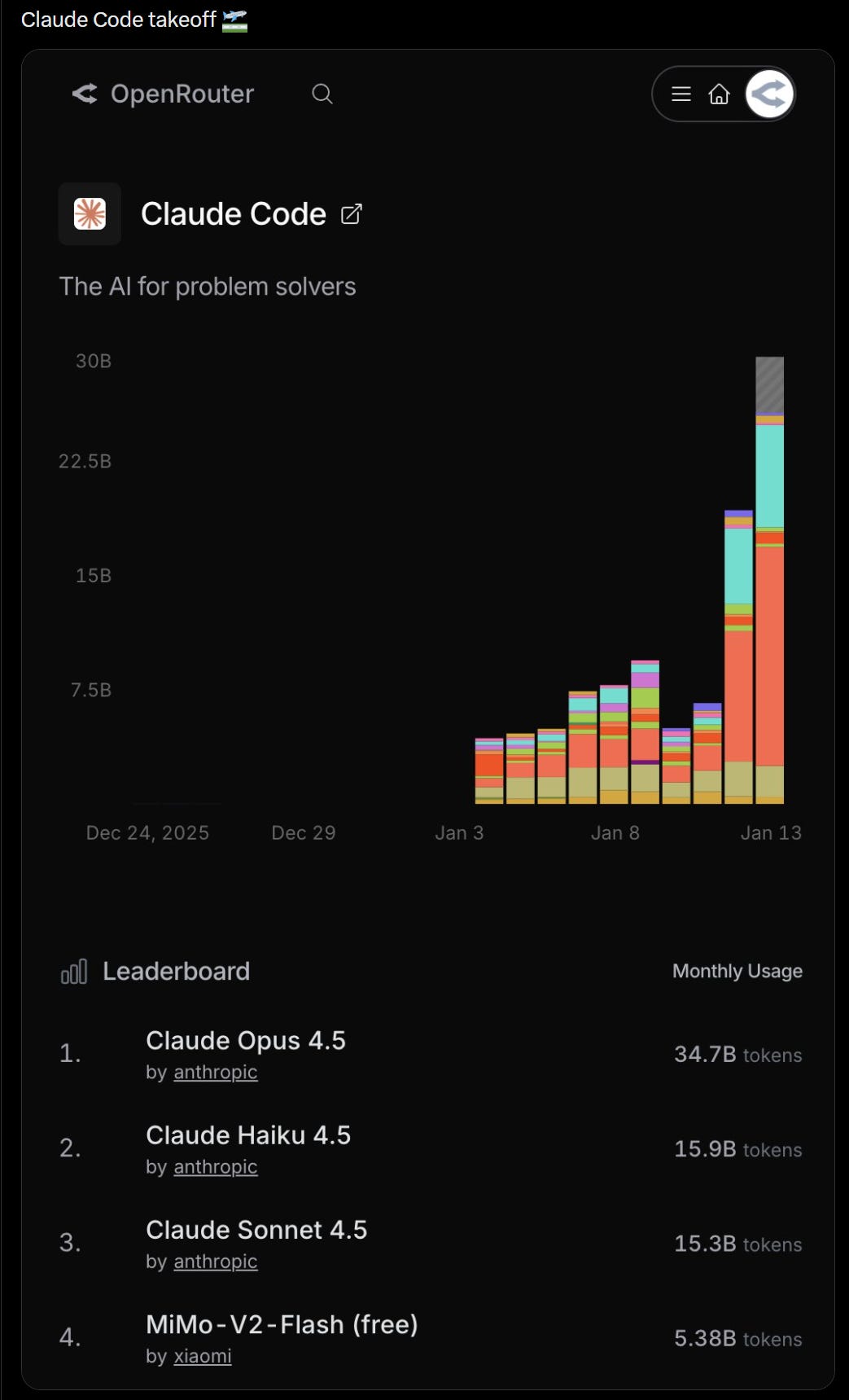
- The Agent Stage: You use a coding agent (like Claude Code) that writes code for you. The pivotal moment is when the agent writes more code than you do.
- The Factory Stage: A controversial new phase where the principle is "nobody writes any code, nobody reads any code." Willison calls this approach, exemplified by security company StrongDM, "wildly irresponsible" for serious software development, but notes it's worth understanding how it could work.
Why It Works — The Claude Code Context
Willison's second stage—where the agent writes more code—is the core reality for daily Claude Code users. This isn't about automation replacing thought; it's about leveraging the agent's speed for implementation while you focus on architecture, review, and complex problem-solving.
The controversial third stage highlights a critical tension: total delegation versus necessary oversight. For Claude Code, this underscores that your role isn't eliminated; it evolves. You move from writing lines to writing precise prompts, designing system boundaries in CLAUDE.md, and performing strategic code reviews.
How To Apply It — Moving Deeper into the Agent Stage
If you're using Claude Code daily, you're likely in Stage 2. Here’s how to advance your practice within it, steering clear of the irresponsible "no-read" approach:
Measure Your Ratio: Be conscious of the balance. Is Claude writing boilerplate, tests, and straightforward functions while you handle the core logic? That's the sweet spot. Use
claude code --compactfor large refactors to let it handle more of the grunt work efficiently.Master Strategic Review: You don't need to read every line, but you must read key lines. Set up a review protocol:
- Scan diffs for logic: Use
git diffor your IDE to review changes in critical modules. - Focus on boundaries: Closely review code at integration points, API contracts, and security-sensitive areas.
- Lean on tests: Command Claude to write comprehensive unit and integration tests (
claude code "Write pytest tests for the new authentication module"). A robust test suite is your primary safety net for code you didn't manually write.
- Scan diffs for logic: Use
Optimize for Oversight in
CLAUDE.md: Your project'sCLAUDE.mdfile should enable safe, high-output generation. Define:- Architecture Guardrails: Explicitly state patterns to use and avoid.
- Testing Mandates: "All new functions must have a corresponding unit test."
- Security & Style Rules: This lets Claude generate compliant code, reducing the need for line-by-line review.
Prompt for Explainability: When Claude generates complex logic, use follow-up prompts to ensure you understand it:
claude code "Explain the algorithm in this new function and walk me through the edge cases it handles."This maintains understanding without manual tracing.
The goal isn't to reach a "no-read" factory. It's to become a director of code, using Claude Code as your high-throughput, first-pass engineering team that you guide and audit.