Key Takeaways
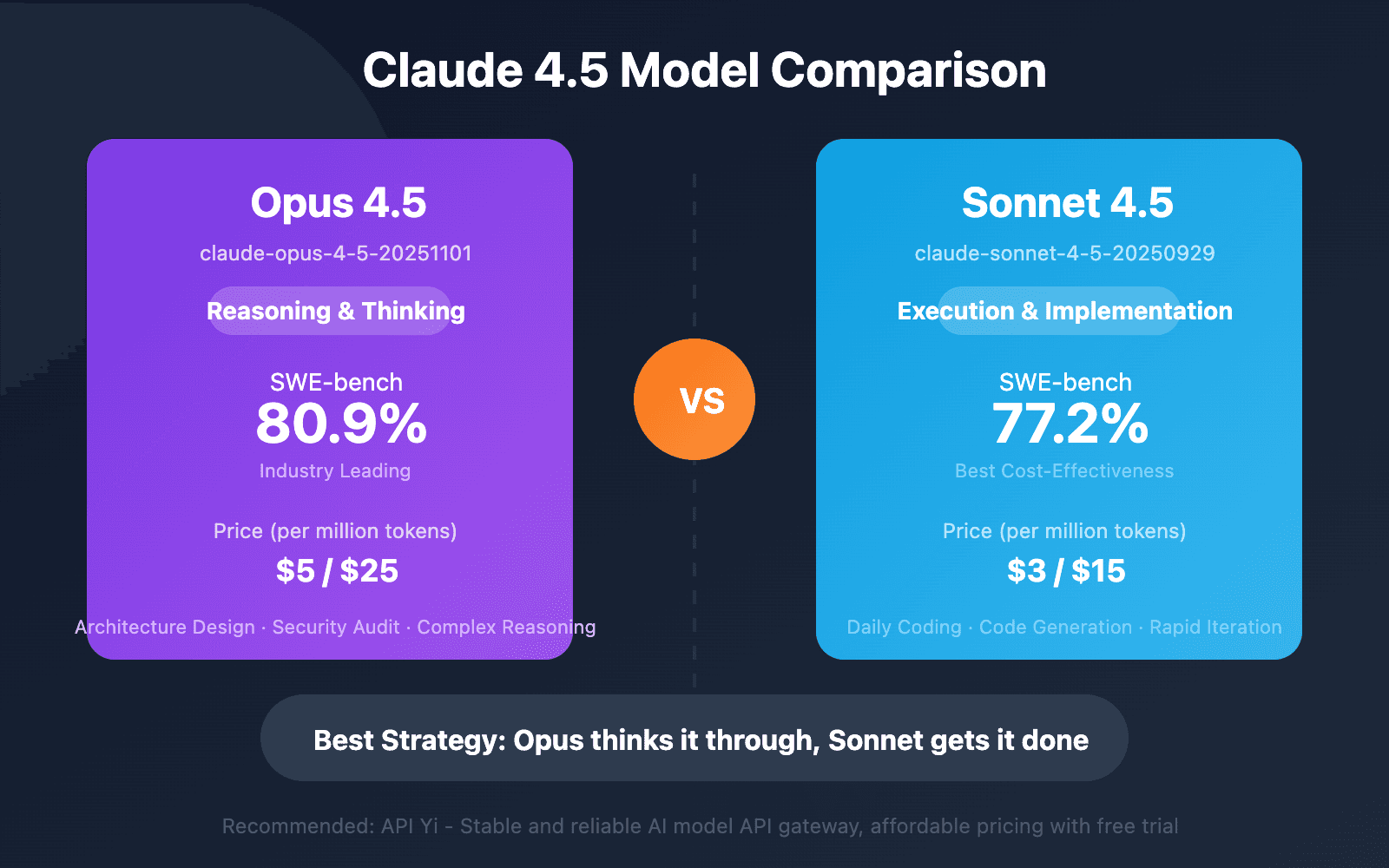
- Sonnet handles 80% of Claude Code tasks.
- Reserve Opus 4.6 for architecture and debugging.
- Use /model to switch mid-session and save 60% usage.
The Model Dilemma in Claude Code
If you've used Claude Code daily, you've felt the tension: Opus feels safer for complex work, but it burns through usage limits fast. Sonnet is cheaper and faster, but is it actually good enough?
The answer, based on real developer workflows, is a qualified yes — if you know when to switch. The key is treating model choice as a strategic decision, not a default setting.
What Sonnet Handles Well
Sonnet excels at the bulk of everyday coding tasks. These include:
- Boilerplate generation: Creating new files, scaffolding components, writing repetitive CRUD endpoints.
- Test writing: Generating unit tests, mocking dependencies, covering edge cases.
- Simple refactors: Renaming variables, extracting functions, updating imports across a few files.
- Documentation: Writing docstrings, updating READMEs, generating comments.
- Bug fixes with clear scope: When the error message points directly at the issue.
For these tasks, Sonnet's output quality is indistinguishable from Opus in most cases. The difference in capability doesn't matter when the task is well-defined and the context is small.
When Opus Earns Its Cost
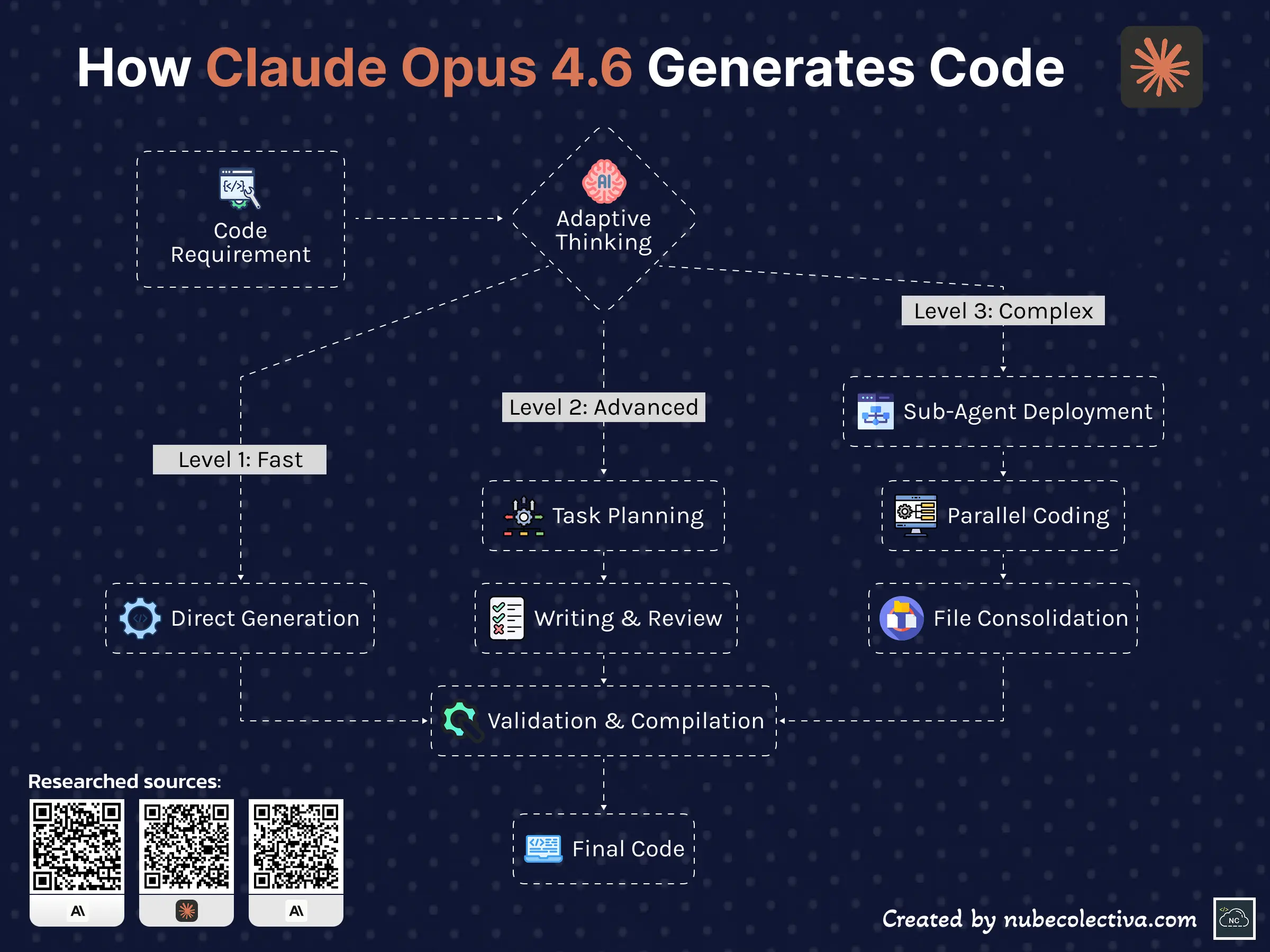
Opus 4.6 shines in situations where the stakes are higher and the context is murkier:
- Architecture decisions: Designing data models, planning service boundaries, choosing patterns that affect the whole codebase.
- Complex debugging: Stack traces across multiple files, race conditions, memory leaks, or issues that require reasoning about the entire system.
- Multi-file changes: Refactors that touch dozens of files where consistency matters more than speed.
- Security reviews: Scanning for vulnerabilities, understanding exploit paths, validating auth flows.
In these scenarios, Opus's deeper reasoning prevents costly mistakes. One wrong architectural call can cost more than the usage savings from sticking with Sonnet.
The 80/20 Rule for Model Selection
A practical heuristic: Sonnet for 80% of tasks, Opus for the other 20%. Most developers overuse Opus because they default to it out of caution. Instead, start with Sonnet and escalate only when you hit a wall.
Here's the workflow:
- Start every session with Sonnet. It's faster, cheaper, and handles most requests.
- Switch to Opus when Sonnet struggles. If Sonnet produces a wrong approach or can't resolve a bug after two attempts, escalate.
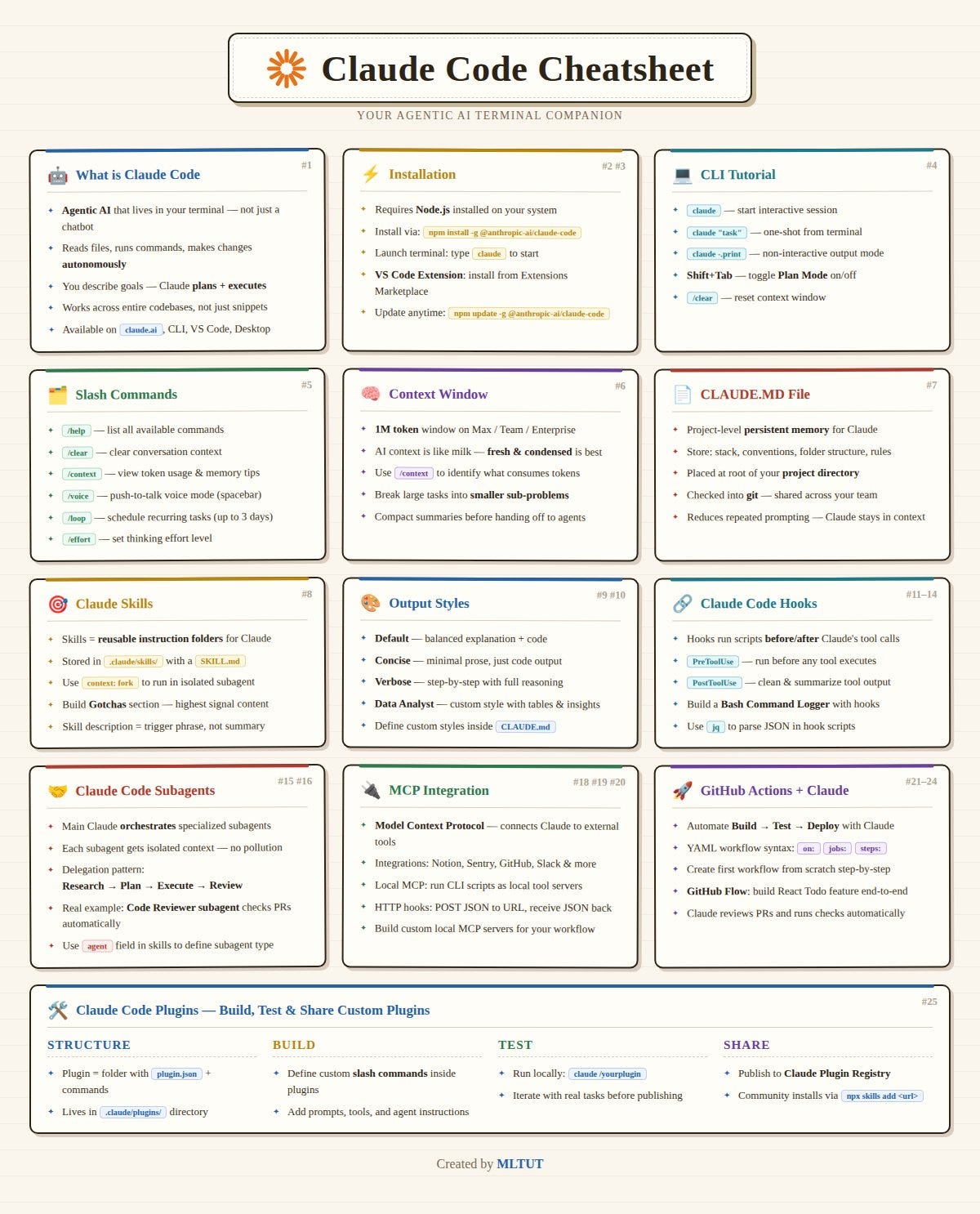
- Use
/modelto switch mid-task. Claude Code lets you change models without losing context. You don't need to restart the session. - Track when you switch. After a week, review your usage. If you're switching to Opus for more than 30% of tasks, you're either working on genuinely complex code or you're being too cautious.
Real-World Savings
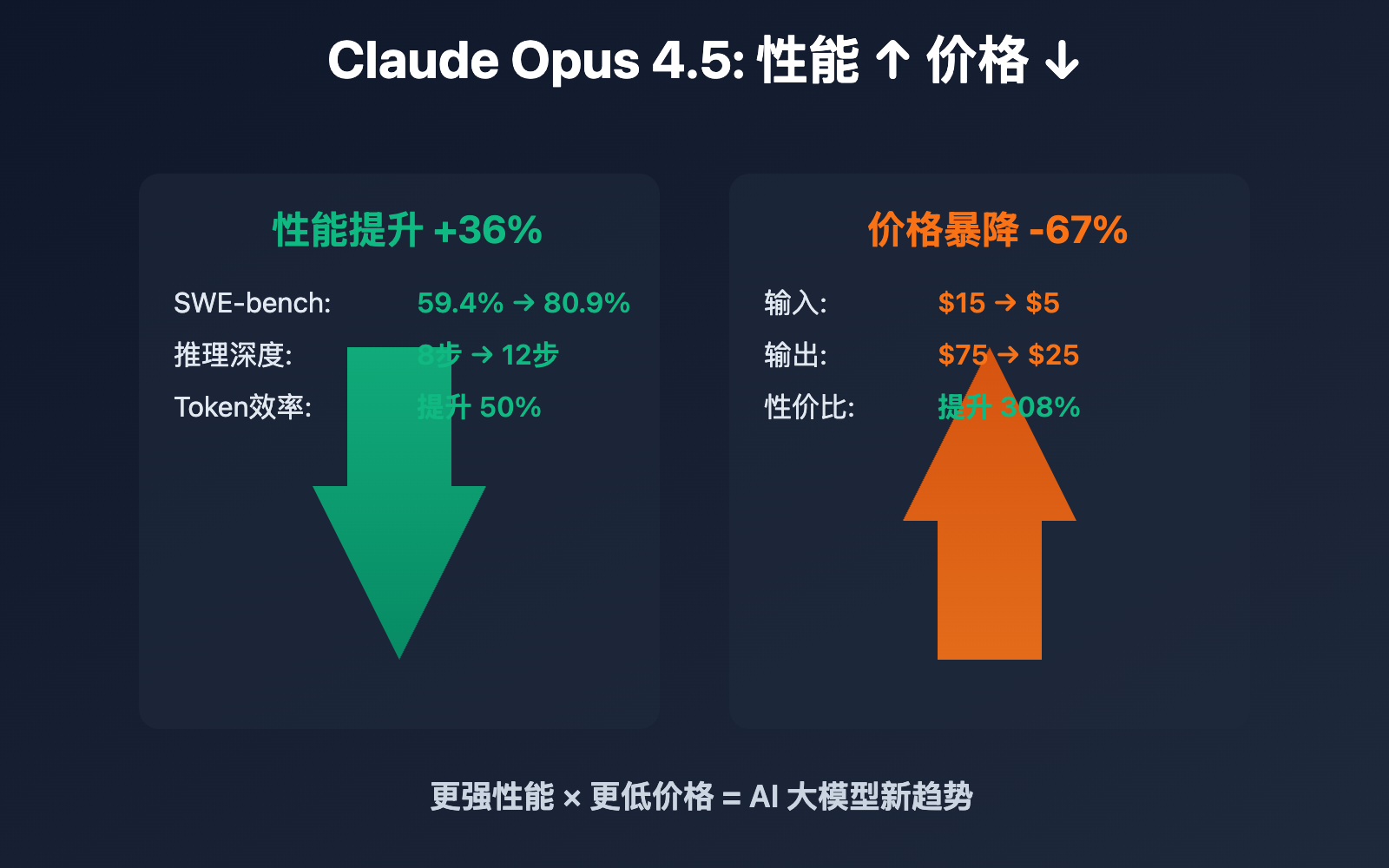
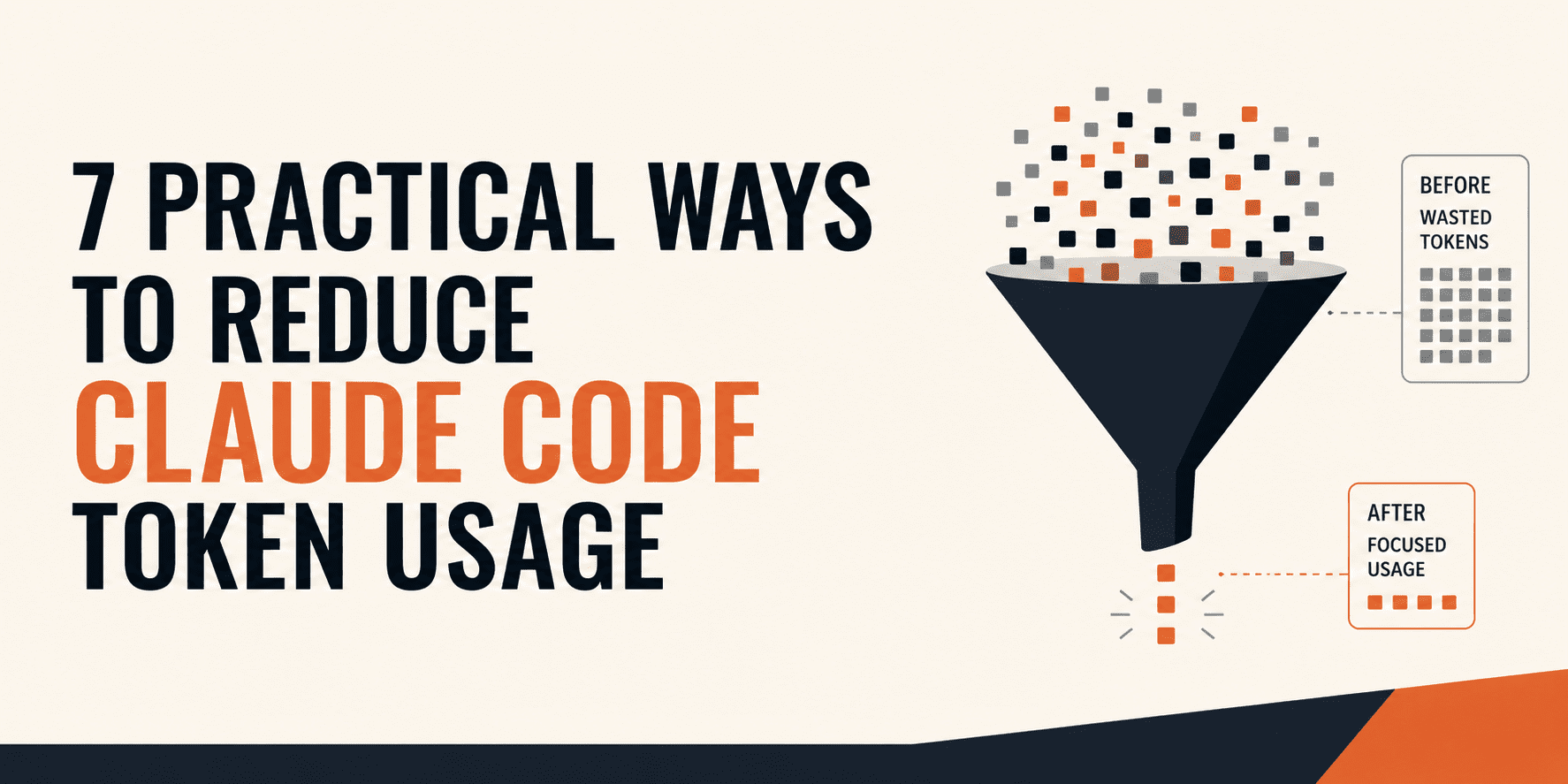
Developers who adopt this hybrid approach report usage reduction of 40-60%. Since Sonnet costs roughly a quarter of Opus per token, the savings compound over long sessions.
For example, a typical feature implementation might involve:
- 30 minutes of Sonnet work: generating the implementation, writing tests, fixing simple bugs.
- 15 minutes of Opus work: reviewing the architecture, handling an edge case Sonnet missed.
That's a 2:1 time split that costs roughly 50% less than running everything on Opus.
When to Ignore This Advice
There are exceptions. If you're working on:
- A critical production incident: Use Opus immediately. Time-to-fix matters more than cost.
- A brand-new codebase with no patterns established: Opus helps set the architectural direction early.
- A task with high ambiguity: When requirements are unclear, Opus asks better clarifying questions.
In these cases, the usage cost is justified.
The Bottom Line
Sonnet is good enough for most Claude Code work. The developers who get the most value from Claude Code aren't the ones who always use the most powerful model — they're the ones who use the right model for the right task. Start with Sonnet, escalate to Opus when needed, and watch your usage limits stretch further.
Will Sonnet 4.6 close the gap on Opus for debugging? Watch for that in the next Claude update.
Source: reddit.com