Key Takeaways
- Claude Opus's 50% price cut makes it viable for every Claude Code task.
- Switch /model to opus, update your CLAUDE.md, and run long agentic workflows without budget anxiety.
What Changed

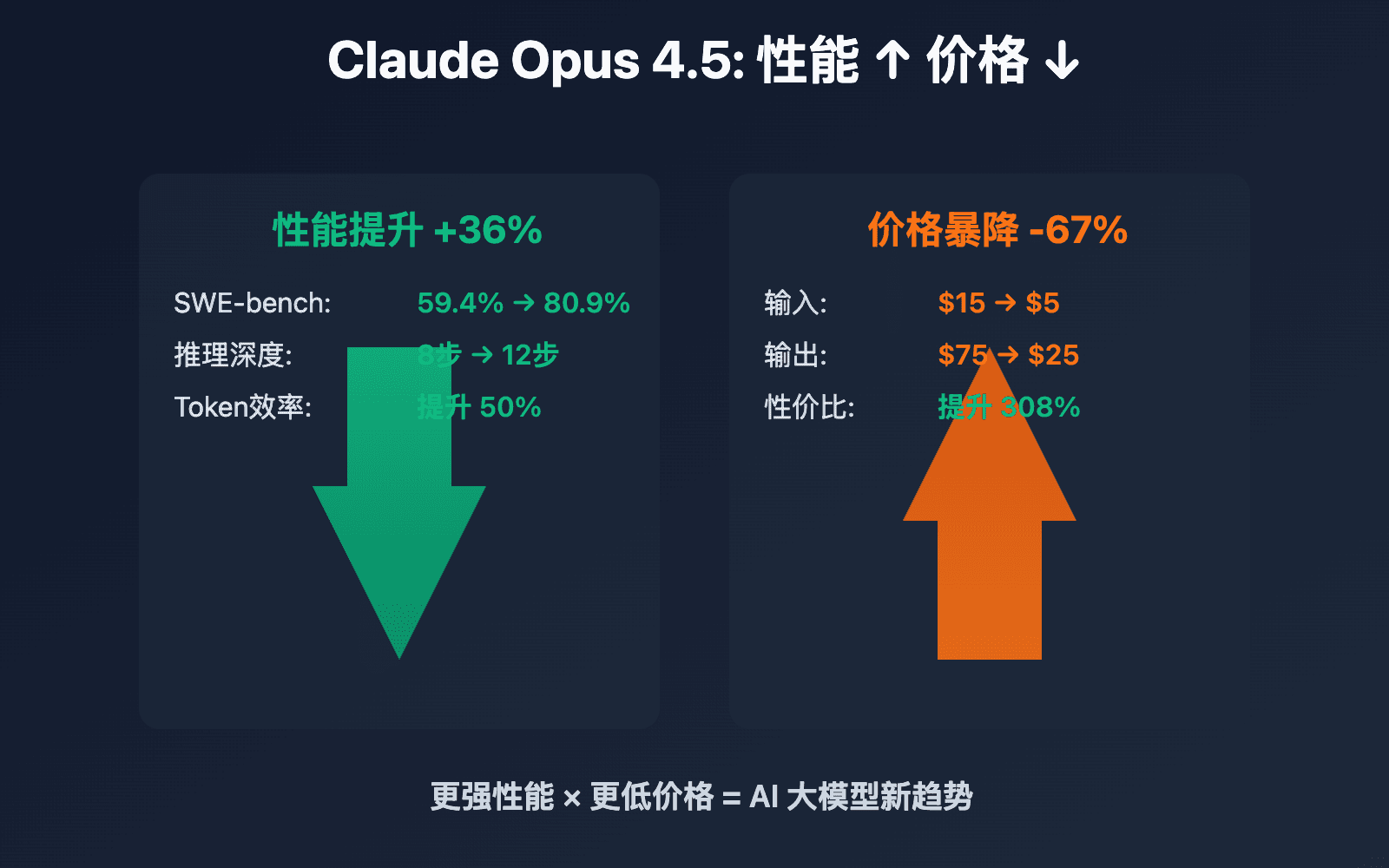
Anthropic just slashed Claude Opus API prices by 50%. The company made the move as enterprises balked at the cost of running frontier models on heavy agentic workloads. This isn't a promotional discount — it's a permanent repricing that changes the economics of every Claude Code session.
For Claude Code users, this is the biggest cost development since the tool launched. Opus was previously the premium tier you reserved for the hardest problems: gnarly refactors, architecture decisions, or debugging a race condition at 2 AM. Now it's priced to be your default.
What It Means For You
If you've been rationing Opus usage to keep your monthly API bill under control, that constraint just disappeared. A 50% cut means you can run twice as many Opus-powered sessions for the same cost. Or you can keep your spend flat and upgrade the quality of every task.
Here's the practical impact inside Claude Code:
- Long agentic loops: Tasks that run for 30+ minutes with dozens of tool calls were Opus-budget killers. Now they're affordable.
- Parallel sessions: If you run multiple Claude Code instances (one per repo, or one per feature branch), Opus is now viable across all of them.
- Context-heavy work: Opus handles large CLAUDE.md files and big codebases better than smaller models. The price cut removes the excuse to downgrade.
The timing is deliberate. Anthropic is competing head-to-head with OpenAI, which just cut GPT-5.6 Sol API prices by 20-33%. And with Anthropic's Q2 revenue overtaking OpenAI for the first time, they're using pricing to lock in enterprise wins.
Try It Now

1. Switch your default model
In Claude Code, run:
claude --model opus
Or use the in-session command:
/model opus
Make this permanent by adding it to your project's .claude/settings.json:
{
  "model": "opus"
}
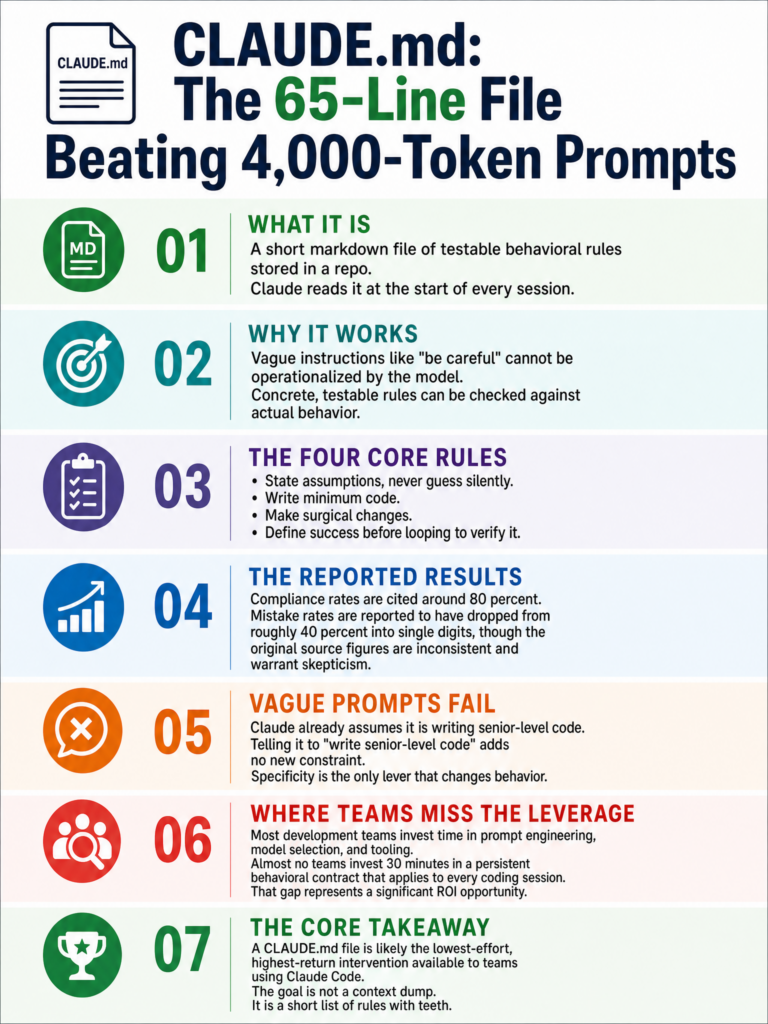
2. Update your CLAUDE.md
Tell Claude Code to prefer Opus for complex tasks. Add a section like:
## Model Selection
- Use Opus for: multi-file refactors, architecture changes, debugging concurrency issues
- Use Sonnet for: quick edits, simple bug fixes, boilerplate generation
Claude Code will read this and route appropriately when you use claude with the right flags.
3. Re-run expensive tasks you deferred
Got a backlog of refactors you put off because Opus was too pricey? Now's the time. Try:
claude "Refactor the payment service to use the new event-driven architecture" --model opus
4. Consider Opus for your MCP-heavy workflows
If you use MCP servers for database queries, browser automation, or file operations, each tool call adds tokens. The 50% price cut means those token-heavy workflows are now economical with Opus.
The Bottom Line
Anthropic repriced Opus to win enterprise coding spend. You should reprioritize your Claude Code usage to take advantage. Stop treating Opus as a luxury — make it your workhorse.
This pairs with the recent Claude Code updates: AI design features, cross-session chat, and the new lead enrichment MCP. All of these are more useful when you're not watching token costs.
Check your current model in Claude Code with /status. If it's not Opus, switch and feel the difference.
Source: news.google.com