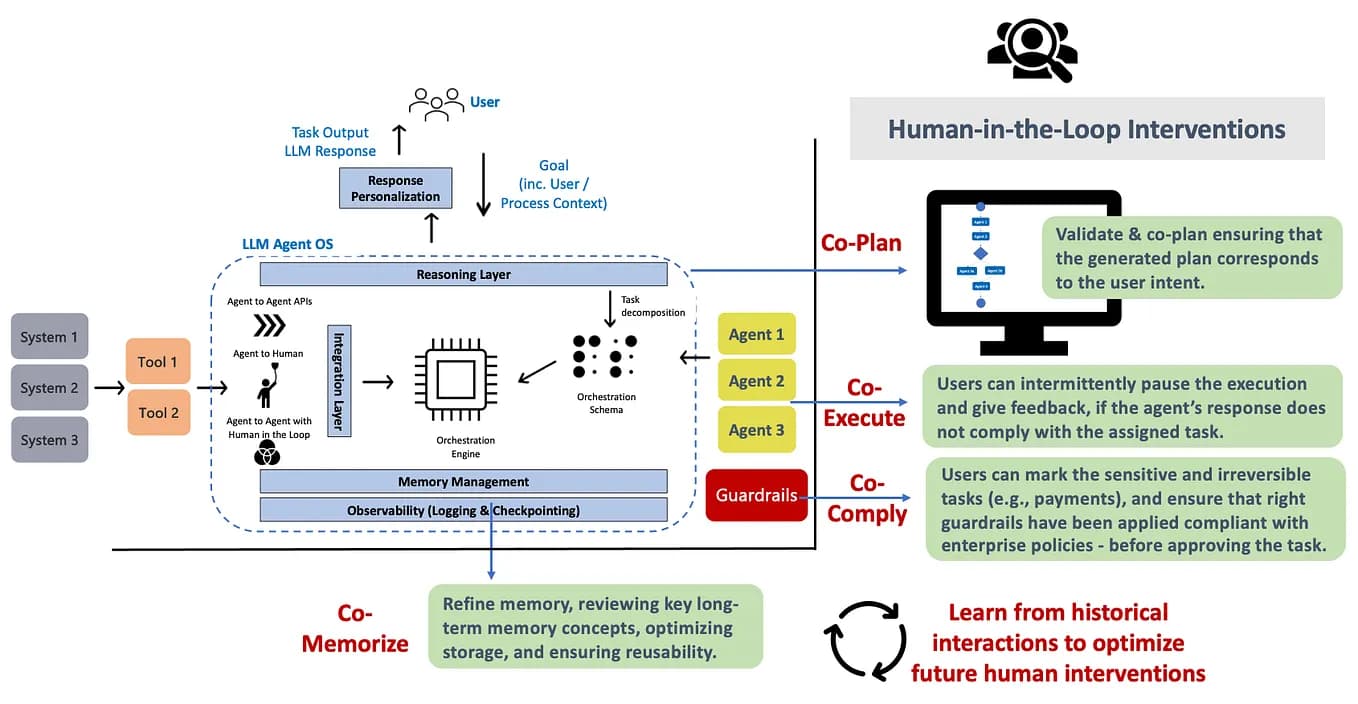
Stanford and Meta researchers published "Code as Agent Harness," a paper proposing code-driven AI agent orchestration. The approach replaces natural-language prompts with executable code for agent behavior specification.
Key facts
- Paper co-authored by Stanford and Meta researchers.
- Proposes code-driven agent orchestration over natural language.
- Aims to improve agent reliability and interpretability.
- Contrasts with current prompt-engineering paradigm.
- No benchmark numbers disclosed in initial announcement.
Stanford and Meta researchers have released a new paper titled "Code as Agent Harness" that proposes a fundamental shift in how AI agents are designed and orchestrated. According to @HowToAI_, the paper "flips everything about AI agents."
The core insight is replacing natural-language prompts—the dominant paradigm for defining agent behavior—with executable code. This code-driven approach could offer several advantages over current methods, including improved reliability, better interpretability, and more straightforward debugging. By specifying agent actions as code, researchers can leverage existing software engineering practices like version control, testing, and static analysis.
Implications for Agent Reliability
Current AI agent systems rely heavily on natural language to define goals, constraints, and behavior. This introduces ambiguity and makes it difficult to guarantee consistent behavior across runs. The "Code as Agent Harness" approach addresses this by encoding agent logic in executable form, potentially reducing the failure modes associated with language-based specifications.
The paper suggests this paradigm could be particularly valuable for safety-critical applications where deterministic behavior is essential. Code-based specifications are inherently testable and verifiable, unlike natural language descriptions that require interpretation.
Comparison to Existing Approaches
The proposal contrasts with the dominant trend of using increasingly sophisticated prompting techniques to guide agent behavior. While prompt engineering has advanced significantly, it remains fundamentally limited by the stochastic nature of language models. Code-driven harnesses offer a more deterministic foundation for agent orchestration.
The authors did not provide specific benchmark numbers or training details in the initial announcement, and the full paper details remain to be examined. However, the conceptual shift is significant for the AI agent development community.
What to watch
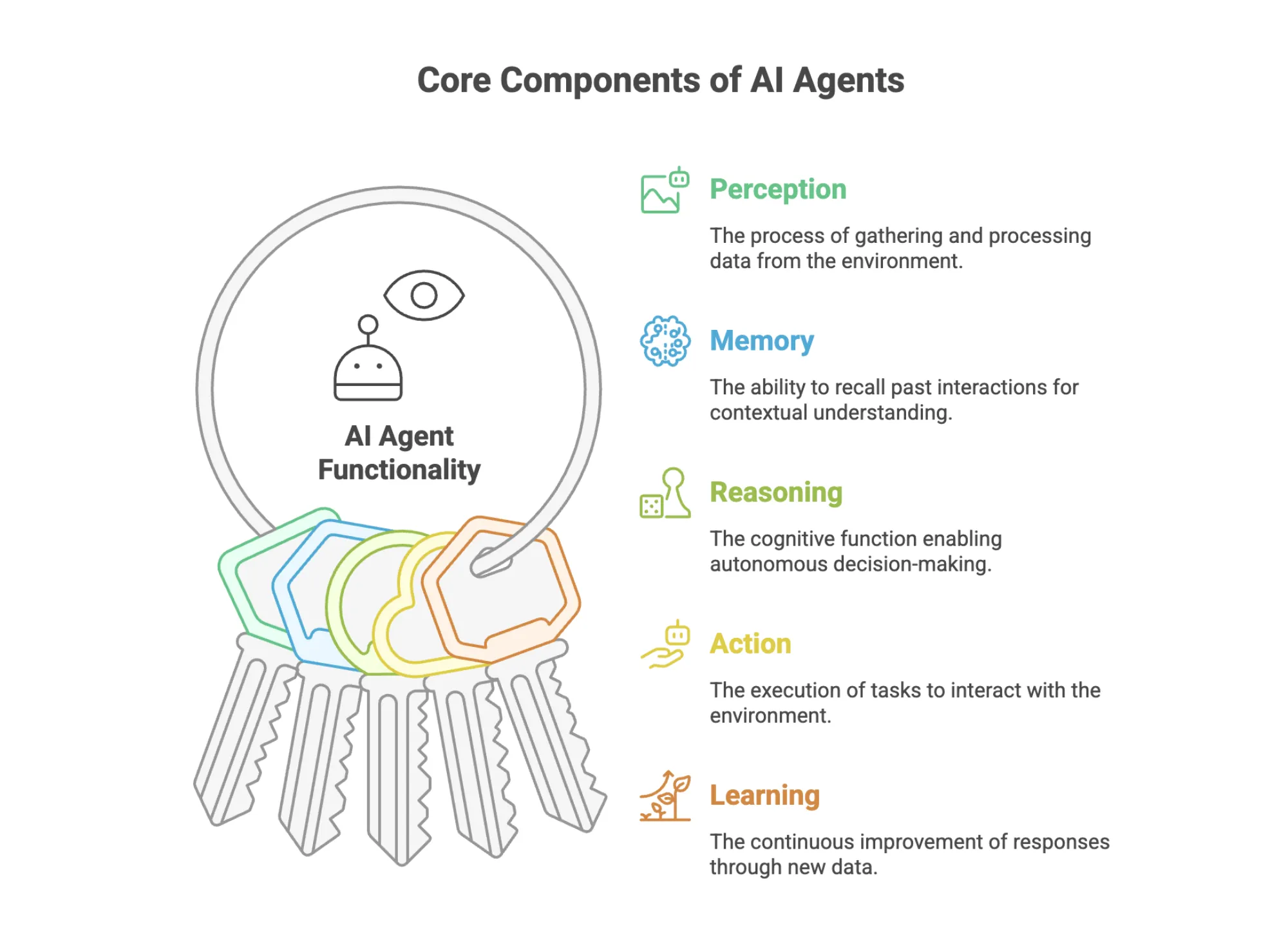
Watch for the full paper release on arXiv and subsequent community benchmarks comparing code-harnessed agents against prompt-based counterparts on standard agent evaluation suites like SWE-Bench and AgentBench.
[Updated 11 Jun via arxiv_ai]
A separate arXiv preprint (2606.10209) from Microsoft researchers on efficient context engineering for tool-using agents reports that pruning context to the last 5 tool calls plus summarization achieved 91.6% complete itemization on a 50-task hotel expense benchmark, compared to 71.0% with full-history retention [per arXiv]. The study, which used GPT-5 in Microsoft Dynamics 365, found this approach reduced token consumption from 1.48M to 553K and runtime from 14.56 to 5.79 hours.