What Changed — The Inversion
Claude Code isn't about code anymore. That's not a prediction — it's what's happening right now at Y Combinator and dozens of other organizations.
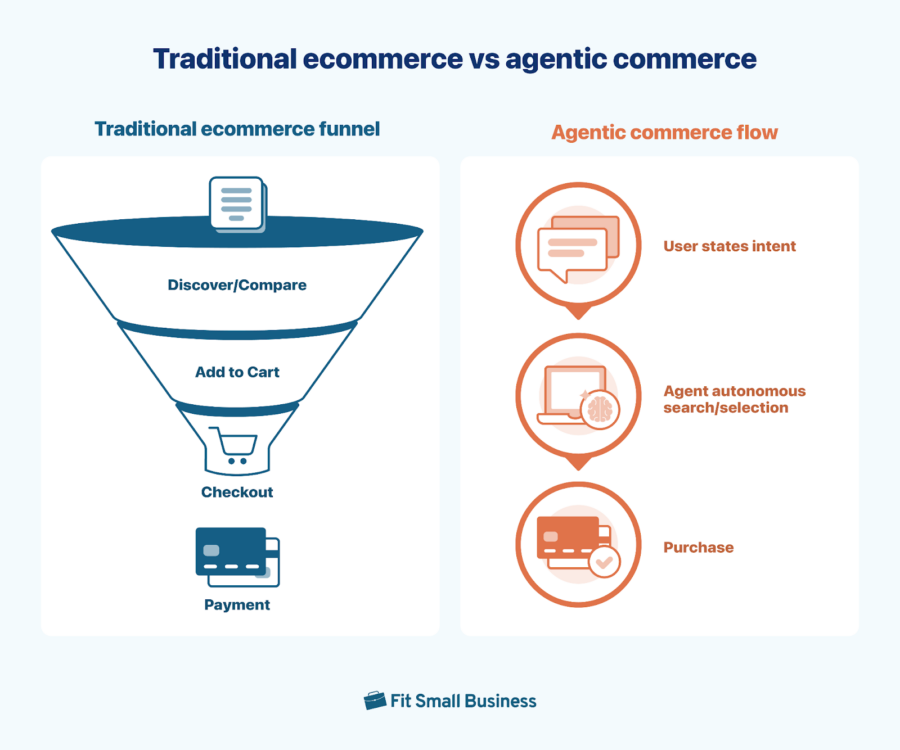
YC's internal playbook, shared by Pete Koomen, Garry Tan, and Jared, reveals a complete inversion of how software gets built. Instead of finance teams describing workflows to engineers who build purpose-built UIs, YC now gives every team:
- Read-only SQL access to their production database
- A registry of 350+ deterministic, well-scoped tools
- Claude Code agents that orchestrate those tools
The first tool that changed everything? Read-only SQL. Jared built it, felt like he was breaking the rules, pushed it out late at night. It worked extremely well.
What It Means For You
If you're a Claude Code user, this shifts your job dramatically. You stop building interfaces — dashboards, ERP screens, finance SaaS. You start building small, deterministic tools and putting them in a registry that both internal agents and Claude Code on individual laptops can consume.
Koomen's insight from "AI Horseless Carriages" captures it: "AI-native software is the agent wrapping deterministic tools, not deterministic software wrapping an AI." Control shifts from the developer to the user.
The effect is Jevons paradox in action. When asking a complex question stopped costing several hours of someone else's SQL time, people didn't just answer old questions faster. They asked far more questions, and far harder ones, because asking became cheap.
Try It Now — Building Your First Agent Registry
Here's how to apply this with Claude Code today:
1. Start with a single read-only tool
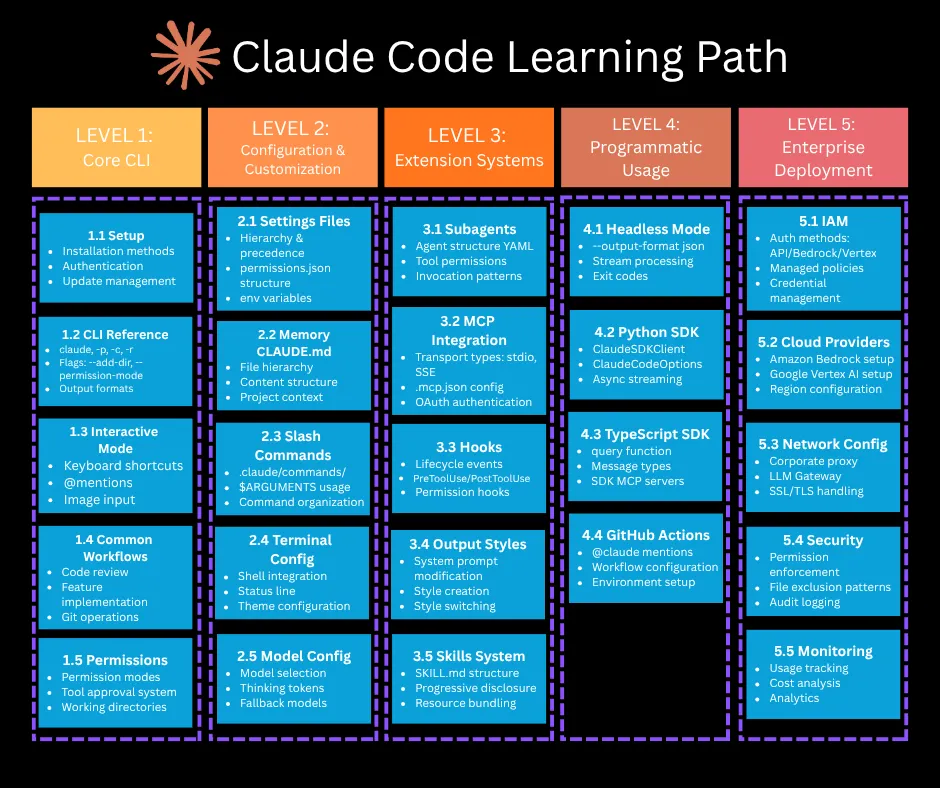
Create a simple MCP server that exposes read-only database access. Here's a minimal example:
{
  "mcpServers": {
    "analytics": {
      "command": "node",
      "args": ["path/to/mcp-server.js"],
      "env": {
        "DB_URL": "postgresql://readonly:token@host/db"
      }
    }
  }
}
Then in your CLAUDE.md:
## Agent Registry

Available tools for non-code teams:
- `analytics/run_query`: Execute read-only SQL. Returns JSON. Use for finance, ops, HR queries.
- `analytics/list_tables`: Show available tables with descriptions.
2. Add tools as teams request them
YC started with ~20 tools. Now they have 350+. Each team adds their own. Your registry grows organically.
3. Let Claude Code orchestrate
When a finance person asks "Show me all journal entries from last quarter that haven't been reconciled," Claude Code calls analytics/run_query with the SQL it generated, gets the result, and formats it — no dashboard needed.
The Shift In Your Workflow
- Before: Finance describes workflow → you build a UI → they use it → you maintain it
- After: Finance asks question → Claude Code calls your tools → they get answer → you add more tools
This is why people running factory floors, legal teams, HR, and operations are the best Claude Code users right now. They don't think of it as software. They think of it as the thing that does the work.
Source: blog.vtemian.com