The Technique — Defining the Modern Minimum
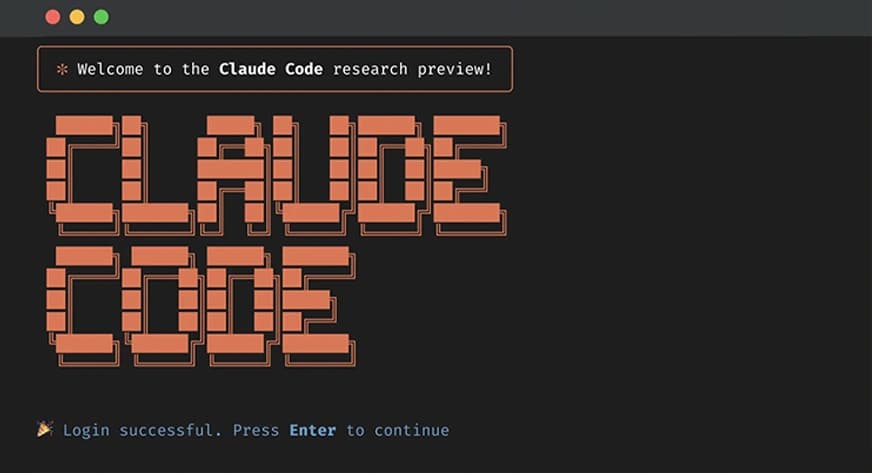
A 'bare minimum' setup for Claude Code no longer means just installing the CLI. Based on widespread developer practice and recent ecosystem developments, the true foundation is a three-file configuration that establishes context, boundaries, and reusable logic. This setup is what enables Claude Code to act as a true agentic co-pilot rather than a simple code generator.
The core trio is:
- CLAUDE.md: Your project's single source of truth for the AI.
- .claudeignore: The guardrails that prevent wasted tokens and context pollution.
- A Centralized Skills Registry (or local
.claude/skills/): A directory of reusable prompts and workflows.
Why It Works — Context, Efficiency, and Control
This structure works because it directly addresses Claude Code's operational model. The CLAUDE.md file feeds directly into the agent's initial context, setting goals, architecture, and coding standards without needing repetitive prompts. This follows Claude Code's recent emphasis on memory and context management, like the /dream command for memory consolidation shipped on March 24th.
The .claudeignore file is critical for token economics. Claude Code will read every file you give it context to. Ignoring node_modules, *.log, dist/, and other generated files can easily cut token usage by 40% or more on larger projects. This aligns with the trend of optimizing for the model's context window.
Finally, a skills registry turns one-off solutions into reusable assets. Instead of re-prompting for a common task like "set up a React component test," you save it as a skill. This connects directly to our coverage on managing skills across multiple repos.
How To Apply It — The Fast Start Script
Don't set this up manually. Use Claude Code to bootstrap itself. In your project root, run:
claude code "Initialize a bare minimum Claude Code configuration. Create a CLAUDE.md with sections for Project Overview, Tech Stack, and Coding Conventions. Create a .claudeignore file ignoring common build artifacts and dependencies. Create a .claude/skills/ directory with a placeholder README."
Then, populate your CLAUDE.md with this actionable template:
# Project: [Your Project Name]

## Primary Goal
[What is the main objective of this codebase?]

## Tech Stack & Versions
- Runtime: Node.js 20.10
- Framework: Next.js 15.1
- Database: PostgreSQL 16, Prisma ORM
- Testing: Jest, React Testing Library

## Key Architectural Patterns
- We use a feature-based directory structure.
- API routes are defined in `/app/api/[feature]/route.ts`.
- All data fetching goes through React Server Components by default.

## Coding Conventions
- Use TypeScript strict mode.
- Prefer `async/await` over raw promises.
- Write JSDoc comments for all exported functions.

## Current Focus & Next Tasks
1. Implement user authentication API.
2. Build the dashboard layout component.
For .claudeignore, start with this base:
node_modules/
.git/
*.log
.env*.local
.next/
dist/
build/
coverage/
*.min.js
Your skills directory (.claude/skills/) is where you save successful prompts. After Claude Code helps you write a perfect utility function, prompt it: "Save the instructions for creating this type of function as a skill file called create-util-function.md." Next time, you can invoke it directly.
This minimal setup is the difference between Claude Code as a chat interface and Claude Code as an integrated team member. It leverages the model's strengths—contextual reasoning and instruction following—while mitigating its costs, namely token usage and scope creep.