Key Takeaways
- Use a gated lifecycle with spec-first design and enforced stage gates.
- This pattern scales across agent count, codebase growth, and project duration—unlike single-agent or hand-briefed parallelism.
The Problem: Patterns That Work on Day 1 Fail on Day 60
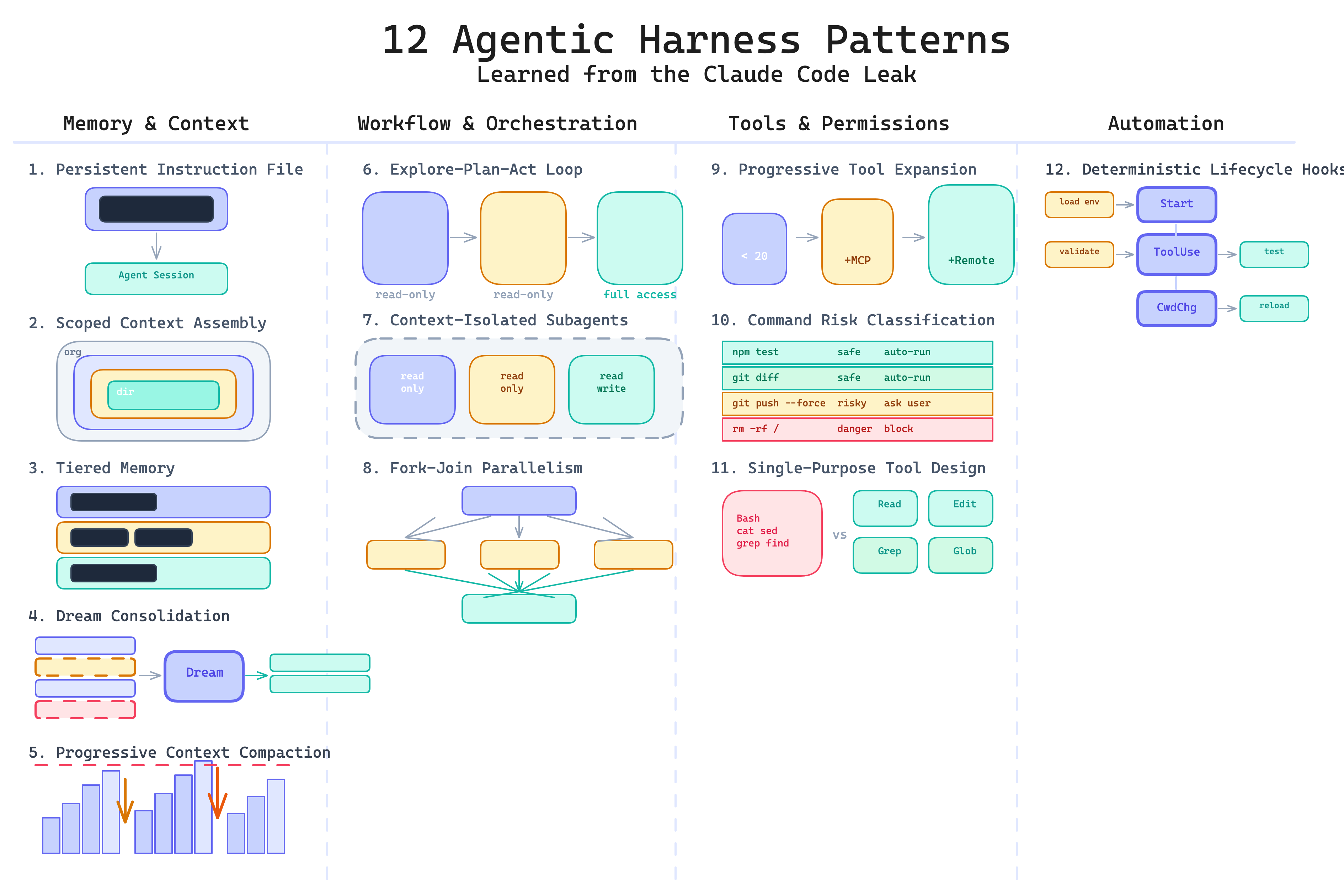
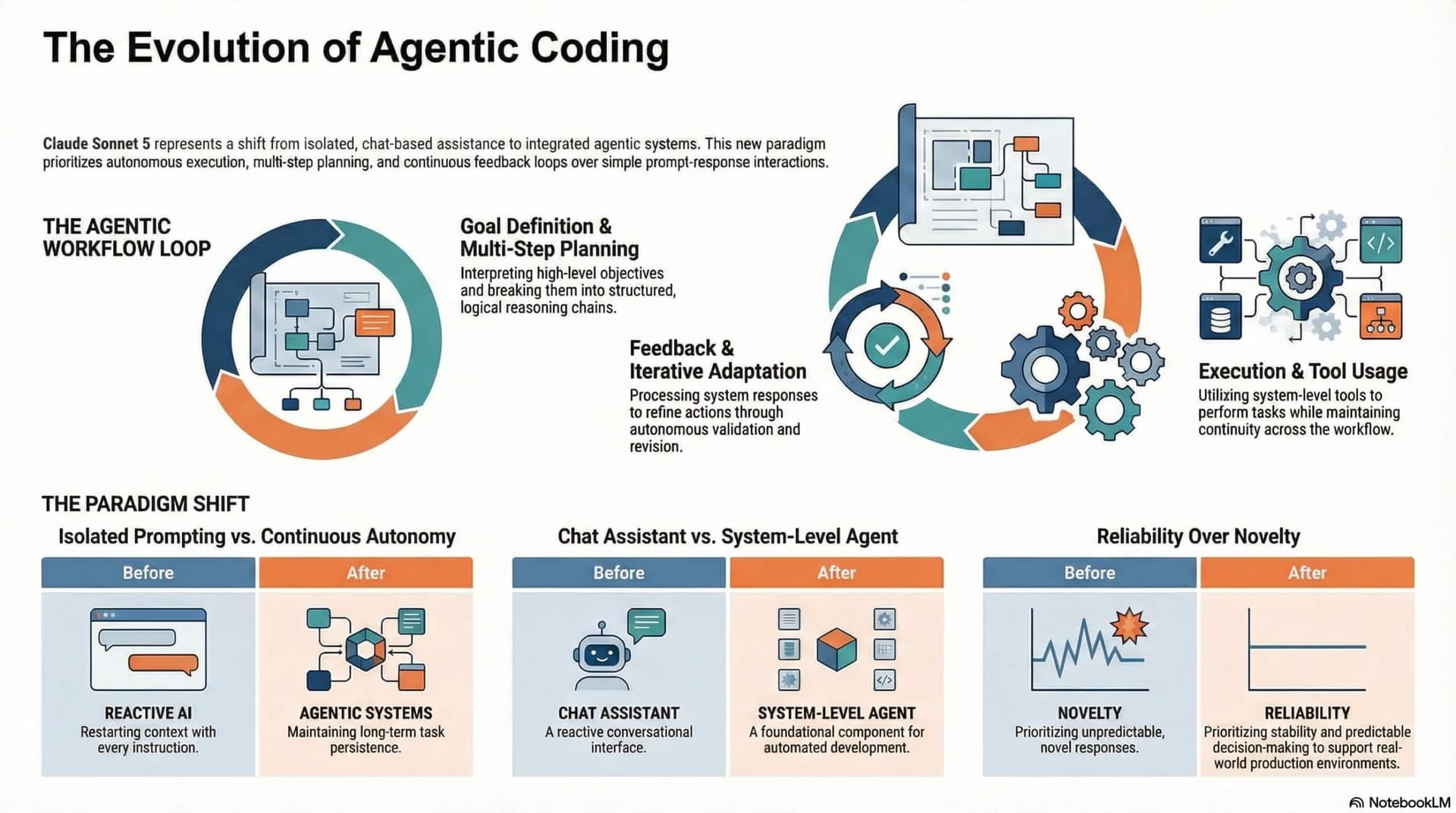
Most agentic coding patterns ship something real in an afternoon. You try multi-worktree parallelism, a skills framework like Superpowers, or an orchestrator like Conductor—and it works. The first module gets built. You feel productive.
The trouble hits months later when the codebase has grown, tasks touch multiple components, and you're running five or more parallel agents. The pattern that worked for a standalone feature now produces drift, stale context, and integration headaches.
This isn't a tooling failure. It's a property of the problem: building a feature in isolation and maintaining a system across dozens of parallel sessions are fundamentally different activities.
What "Scales" Actually Means
Scaling means handling four things simultaneously:
- Codebase growth: Agents need to honor accumulated conventions and live interfaces
- Task complexity: Tasks touching three components need architectural decisions, not just file edits
- Agent count: Going from 2 to 8 agents changes coordination surface, not just throughput
- Duration: Decisions made weeks ago need to outlast individual sessions
Most patterns handle one or two of these. The gated lifecycle handles all four.
The Pattern That Works: Gated Lifecycle + Spec-First
Here's the pattern that holds up longest, based on real experience across projects:
1. Write the spec before any agent starts
Settle design and interfaces before decomposing into parallel work. Create a spec.md in your repo that defines:
- Architecture decisions
- Interface contracts
- Naming conventions
- Cross-cutting concerns
Agents implement against a shared contract rather than negotiating mid-build. This eliminates the most common divergence failures.
2. Enforce stage gates
Don't let agents move to the next stage until the current one is verified:
Design → Review → Implementation → Review → Merge
Each gate is a hard boundary. The design gate resolves architecture before any code is written. The implementation gate runs tests and checks spec compliance before merging.
3. Store decisions in CLAUDE.md
Your CLAUDE.md should carry the conventions and decisions that outlast any single session. Include:
# Architecture decisions
- API versioning: semver, documented in openapi/
- Database migrations: Alembic, named by date
- Error handling: structured JSON responses with codes

# Cross-cutting concerns
- All external calls must have retry logic
- Logging: structured, with request IDs
This gives every agent—even ones you spawn weeks later—the same context.
Why Other Patterns Fall Short
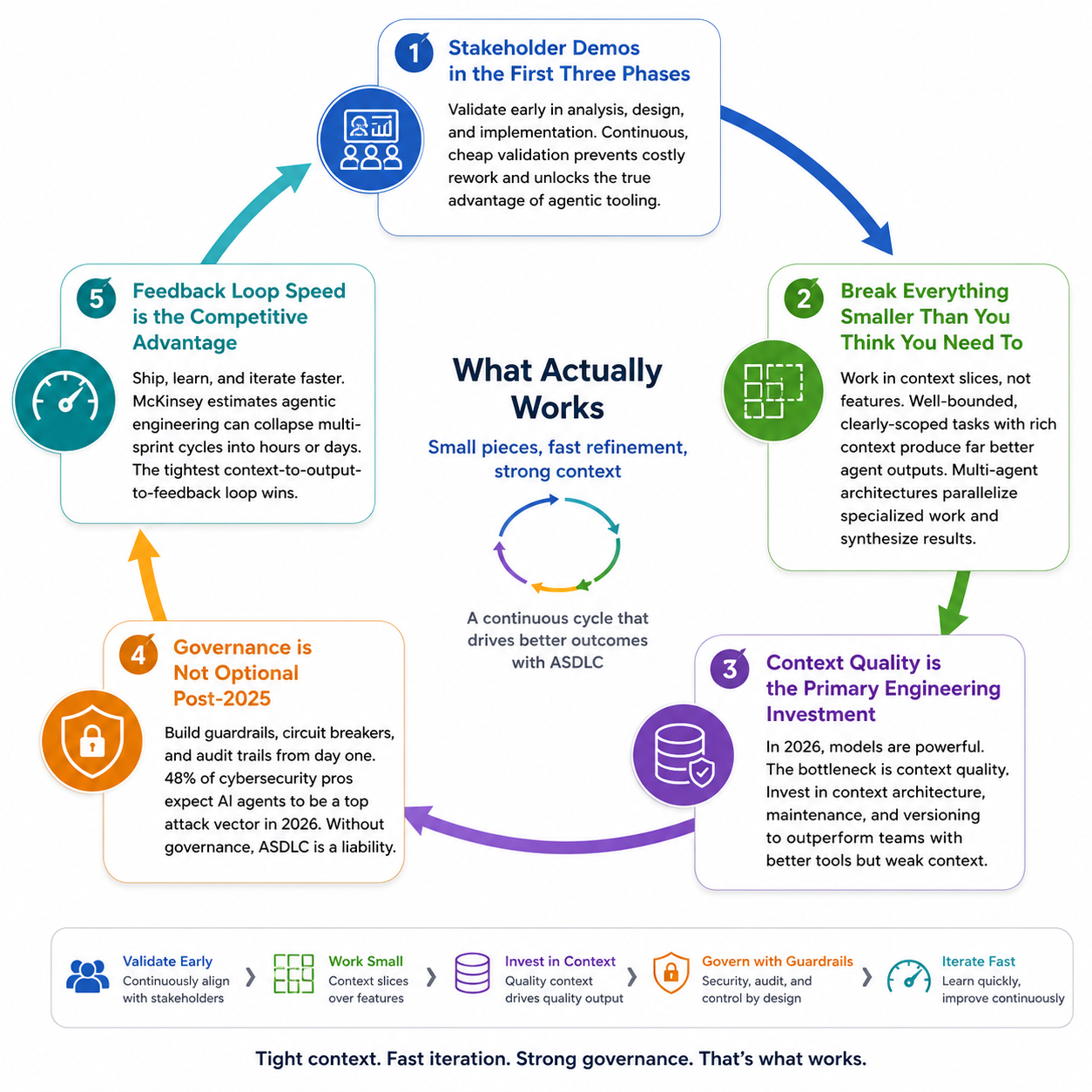
Single-agent, supervised: Ceiling is your attention. Works for bounded tasks, fails when you need parallel streams.
Parallel agents, briefed by hand: Overhead is linear. At five agents, you become the integration layer—and your working memory doesn't scale. Agents briefed at 9am against a codebase that changed by afternoon work with stale context.
Skills frameworks (Superpowers, GSD, gstack): Excellent for repeatable micro-patterns and quality baselines. But each invocation starts fresh—no cross-session memory or orchestration. They solve the how of agent quality, not the who knows what problem.
Orchestrated runners (Conductor-style): Great for raw parallelism—fifty tasks running simultaneously. But they don't add process structure or shared memory. An agent can start implementing before design is settled, or ship before adjacent modules are stable.
Try It Now
Create a
spec.mdfor your next multi-agent task. Define interfaces and architecture before any agent writes code.Add a
CLAUDE.mdwith shared conventions and decision history. Point new agents to it in their brief.Implement stage gates in your workflow: design → review → implement → review → merge. Use a checklist or CI check to enforce.
Test your current pattern: Pick a decision you made two weeks ago—an architecture call, a naming convention. Can every agent today honor it without you carrying it? If not, that's the gap.
When to Skip This Pattern
A gated lifecycle is overkill for quick proofs of concept or throwaway scripts. It earns its cost on tasks of meaningful complexity and projects that will evolve—where decisions made today matter to agents you'll run in three weeks.
The common thread in what scales: decisions made once and enforced consistently; interfaces settled before fan-out; memory that outlasts a single session; quality gates, not just throughput gates.
Source: dev.to