According to recent reports circulating on social media and referenced by the Financial Times, DeepSeek v4 is scheduled for release next week. This announcement comes amid growing speculation about the next generation of AI models, with industry observers predicting that OpenAI's GPT-5.3 will follow closely behind. The timing suggests a coordinated acceleration in the AI development timeline that could reshape the competitive landscape.
The DeepSeek v4 Announcement
The confirmation of DeepSeek v4's imminent release follows weeks of rumors and speculation within AI circles. While specific details about the model's capabilities remain undisclosed, the timing suggests significant advancements over previous iterations. DeepSeek, developed by Chinese AI company DeepSeek AI, has been gaining traction as a competitive alternative to Western-developed models, particularly in multilingual capabilities and reasoning tasks.
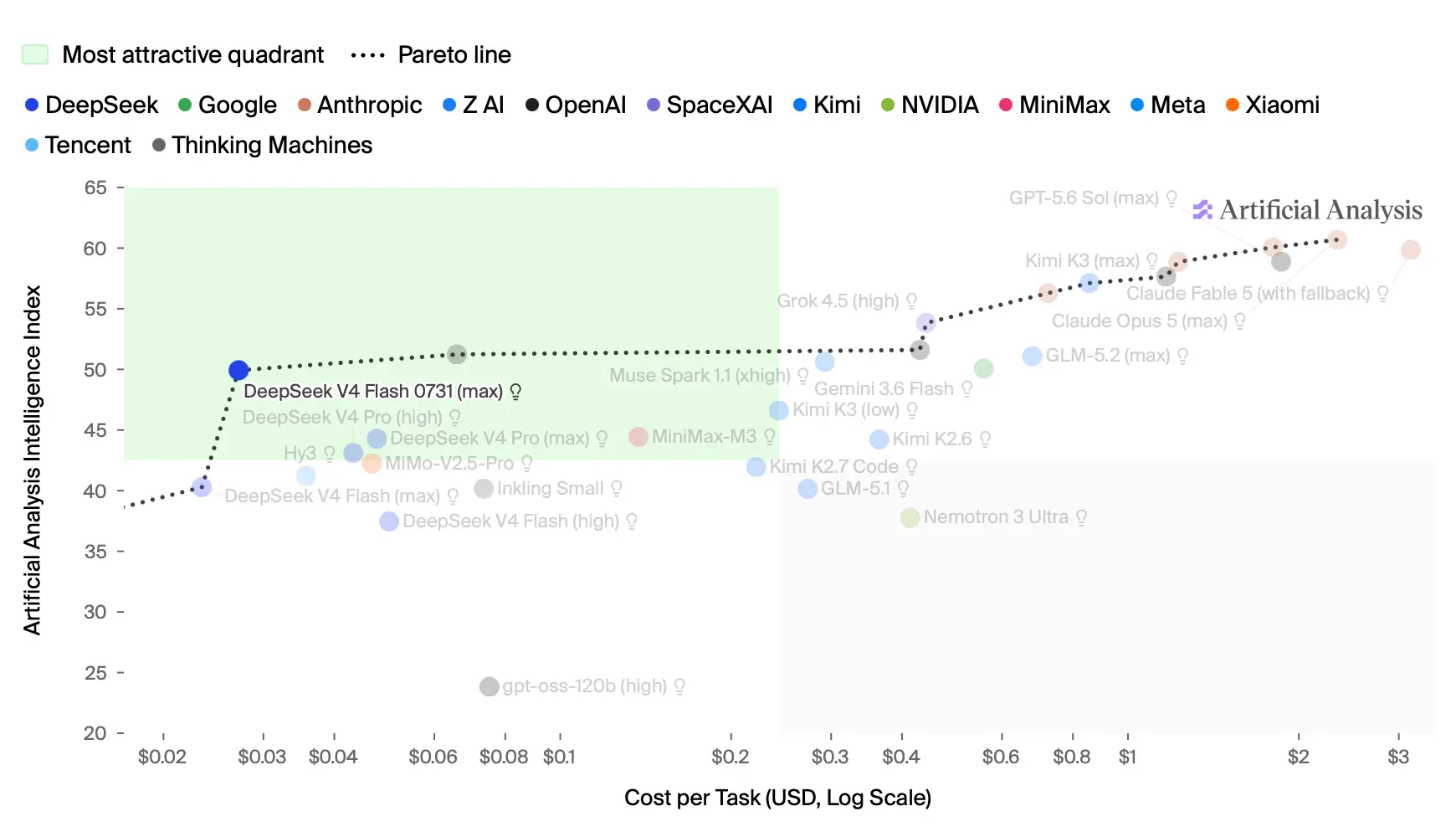
Previous versions of DeepSeek have demonstrated impressive performance on benchmark tests, often rivaling or exceeding capabilities of similarly-sized models from OpenAI and other Western AI labs. The v4 designation indicates a substantial upgrade rather than incremental improvements, suggesting breakthroughs in architecture, training methodology, or both.
The GPT-5.3 Response
The prediction that GPT-5.3 "won't be far behind" reflects the current competitive dynamics in the AI industry. OpenAI has maintained a steady release cadence, with GPT-5 representing their flagship model and subsequent point releases (like 5.1, 5.2, and now anticipated 5.3) providing iterative improvements. This pattern suggests that OpenAI may have been preparing a response to anticipated competitive moves from other AI labs.
GPT-5.3 would likely build upon the foundation established by GPT-5, potentially addressing specific weaknesses identified through user feedback or competitive analysis. Given the timing relative to DeepSeek v4's announcement, it's possible that OpenAI has accelerated their development timeline to maintain competitive parity.
Competitive Context and Industry Implications
The simultaneous advancement of these two major AI models highlights several key trends in the industry:
1. Accelerated Development Cycles
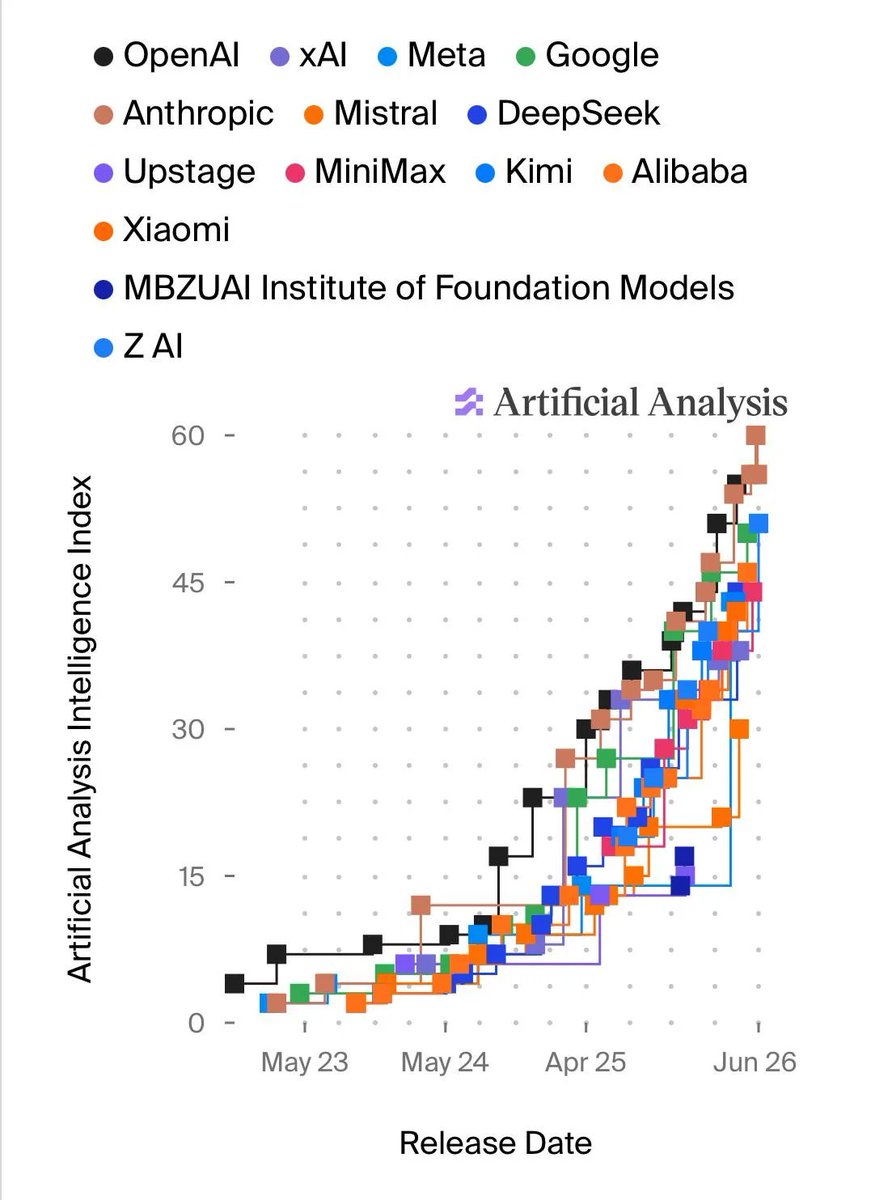
AI development appears to be entering a phase of compressed timelines, with major releases occurring more frequently than in previous years. This acceleration reflects both technological maturation and increased competitive pressure.
2. Global AI Competition
The DeepSeek v4 release represents continued advancement in China's AI capabilities, challenging the perception of Western dominance in foundation model development. This geographic diversification of AI leadership could have significant implications for AI governance, safety standards, and commercial applications.
3. Specialization vs. Generalization
As models become more advanced, we may see increased differentiation in capabilities and specializations. DeepSeek has historically emphasized certain capabilities (like mathematical reasoning and coding) where it could compete effectively against larger models.
4. Commercial Implications
For businesses and developers, rapid model releases create both opportunities and challenges. The availability of increasingly capable models accelerates innovation but also requires constant adaptation and evaluation of which models best serve specific use cases.
Technical Expectations and Capabilities
While specific technical details remain speculative until official announcements, we can anticipate certain directions based on previous model evolution:
For DeepSeek v4:
- Enhanced multilingual capabilities, particularly for Asian languages
- Improved reasoning and problem-solving in STEM domains
- Potential architectural innovations that improve efficiency or capabilities
- Expanded context windows for processing longer documents
For GPT-5.3:
- Refinements to GPT-5's architecture and training methodology
- Improved accuracy and reduced hallucination rates
- Enhanced multimodal capabilities (if GPT-5 included such features)
- Better performance on specialized tasks through improved fine-tuning
Market and Ecosystem Impact
The rapid succession of major model releases will likely impact several areas:
Developer Ecosystem: AI developers and companies building on these platforms will need to evaluate new capabilities and potentially migrate applications to take advantage of improvements.
Pricing and Accessibility: Competitive pressure could lead to more favorable pricing models or increased accessibility of advanced capabilities.
Safety and Alignment: With accelerated development, questions arise about whether safety testing and alignment efforts can keep pace with capability improvements.
Regulatory Attention: Rapid advances may attract increased regulatory scrutiny, particularly around competitive practices and safety standards.
Looking Forward: The Next Phase of AI Development
These imminent releases represent more than just incremental improvements—they signal a new phase in AI development characterized by:
- Increased Competition: Multiple well-funded organizations pushing the boundaries simultaneously
- Specialization: Different models excelling in different domains rather than one dominant general-purpose model
- Global Participation: Significant contributions from multiple geographic regions
- Practical Focus: Increasing emphasis on real-world applications and commercial viability
The coming weeks will provide concrete evidence of how these developments translate into actual capabilities. As both DeepSeek v4 and GPT-5.3 become available for testing and evaluation, the AI community will gain clearer insights into the current state of the art and future directions.
Source: Social media reports referenced by the Financial Times, with additional context from industry analysis.