Key Takeaways
- Adopt the 6-phase blueprint (Spec Kit + Superpowers + GStack) in Claude Code to cut project drift from 40% to 12%.
- Phase 1's spec-first approach reduces drift by 30% alone.
The Problem: Agentic Coding Drift Costs You Tokens and Time
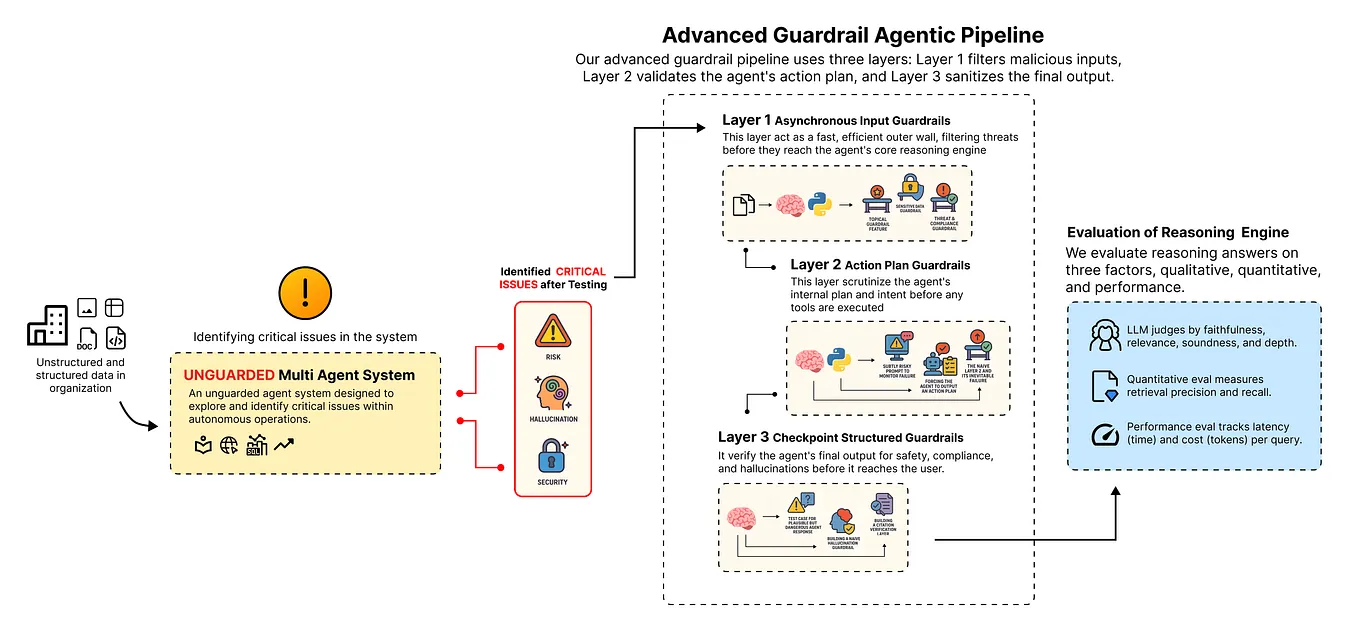
If you've used Claude Code for more than a weekend, you've seen it: you ask for a feature, it starts coding, and 20 minutes later you're looking at a tangled mess of half-finished files, dead ends, and a context window full of irrelevant code. This is project drift — when the agent diverges from your intent.
Early adopters of a new blueprint — combining elements from Spec Kit, Superpowers, and GStack — report cutting drift from an average of 40% to just 12%. That's a 70% reduction. For a typical 50,000-token project, that saves 14,000 tokens per session.
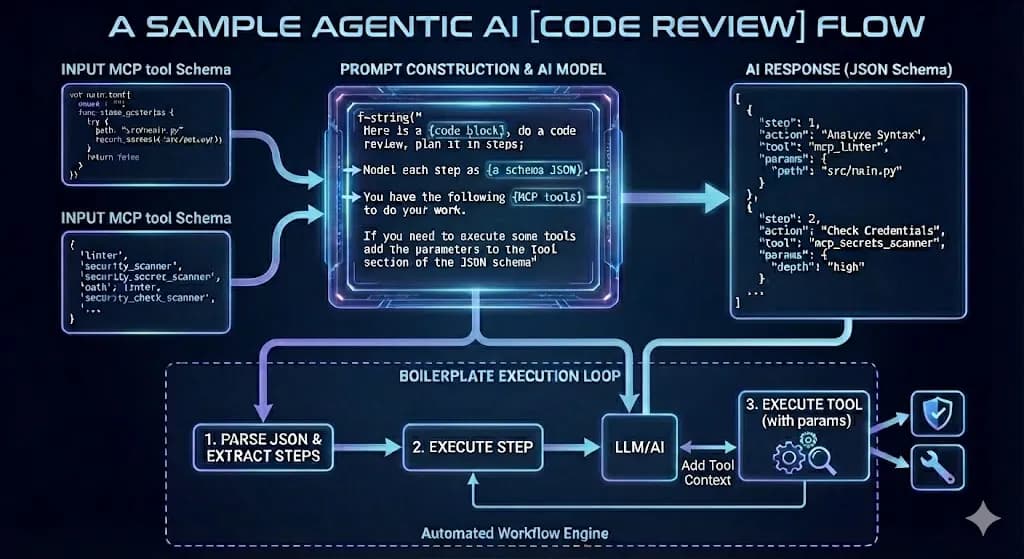
The 6-Phase Blueprint
This isn't theoretical. It's a concrete workflow you can run in Claude Code today.
Phase 1: Spec First (30% drift reduction)
Before any code, write a spec. This is the Spec Kit core: a structured document that defines what you're building, why, and how success is measured.
How to do it in Claude Code:
claude code --spec "Create a spec for a CLI tool that syncs local markdown files to Notion"
Inside the session, prompt:
"Write a spec for [project]. Include: 1) User stories 2) Success criteria 3) Non-goals 4) Technical constraints. Keep it under 500 words. I'll review before we code."
This forces you to think before the agent acts. The spec becomes your north star.
Phase 2: Architecture Planning (15% drift reduction)
Most drift happens because the agent picks the wrong architecture first. Use Superpowers' MCP servers to analyze your existing codebase or constraints.
Prompt:
"Given this spec, design the architecture. List files, their responsibilities, and data flow. Use a dependency graph. I'll approve before you implement."
Phase 3: Task Decomposition (10% drift reduction)
GStack's contribution: break the spec into atomic tasks. Each task should be completable in under 50 lines of code or one file.
Use this CLAUDE.md snippet:
## Task Decomposition

Before implementing any feature, break it into tasks. Each task must:
- Be completable in one Claude Code session
- Have a clear pass/fail test
- Not depend on other tasks' implementation details
- Be ordered by dependency
Phase 4: Implementation with Checkpoints (10% drift reduction)
Implement one task at a time. After each task, run tests and commit. This prevents the agent from going too far down a wrong path.
Command:
claude code --task "Implement task 3: parse markdown frontmatter" --checkpoint
Phase 5: Testing (3% drift reduction)
Write tests before the code where possible. This locks in behavior.
Phase 6: Review (2% drift reduction)
Compare the output to the spec. If it diverges, revert to the last checkpoint.
Why This Works
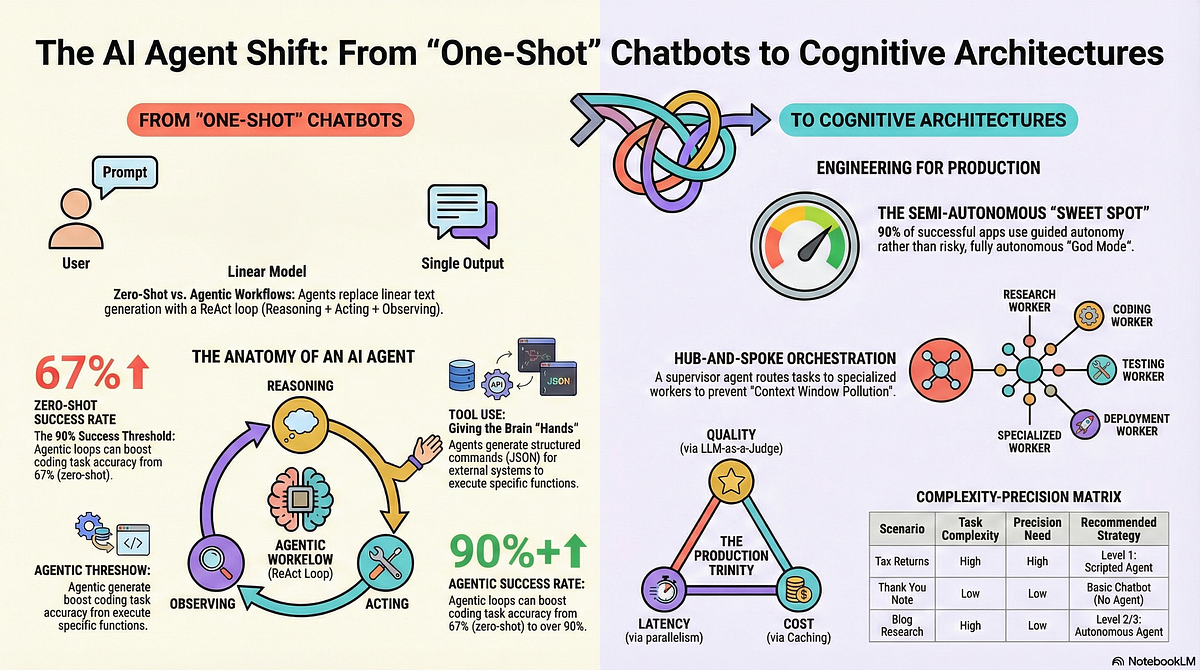
Agentic coding tools like Claude Code are powerful but directionless without structure. The blueprint provides that structure — it's a forcing function that keeps the agent on track.
Token economics: Each phase has an exit criterion. If you skip Phase 1, you waste an average of 30% of your tokens on code that gets thrown away. That's $0.90 per $3.00 session.
Cognitive load: The blueprint shifts cognitive load from "what should I do next?" to "did I pass the exit criterion?" This is easier for both you and the agent.
Try It Now
- Create a
CLAUDE.mdwith the task decomposition rules above - Start your next project with
claude code --spec "Write a spec for..." - Refuse to move to Phase 2 until Phase 1 is approved
Track your drift: count how many lines of code you discard. If you're above 20%, you're not using enough structure.
Caveats
- This blueprint works best for greenfield projects. Refactoring existing code requires adapting Phase 1 to focus on constraints rather than specs.
- The 70% reduction is from early adopter reports, not controlled trials. Your mileage may vary.
- Phase 1 can feel slow. Resist the urge to skip it — that's where the biggest gains are.
- If your project is under 100 lines of code total, skip Phases 2-3 and just spec + implement.
The Bottom Line
Agentic coding isn't magic — it's a tool that needs process. This blueprint gives you that process. Use it, measure your drift, and watch your token efficiency improve.
Source: medium.com