AI coding agents, which automate software development tasks, have long struggled with a fundamental problem: interacting with the live, dynamic web. A simple task like scraping documentation, checking an API status, or automating a web-based workflow often requires extensive, brittle setup and fails when a website's structure changes. This has been a major bottleneck preventing these agents from operating reliably in real-world environments.
Developer and AI toolmaker Tiny Fish has released a new tool aimed directly at this problem. According to an announcement highlighted by AI researcher @kimmonismus, the tool "has made the live web significantly more usable for coding agents." This is described as a key improvement, as "real-world web interaction is often where agent workflows break down and require heavy setup."
The core challenge is that most AI agents are trained on static code repositories or sandboxed environments. The live web is messy, unstructured, and stateful. Clicking a button might trigger JavaScript, load new dynamic content, or require session management—actions that are trivial for a human but historically complex for an automated agent to navigate reliably.
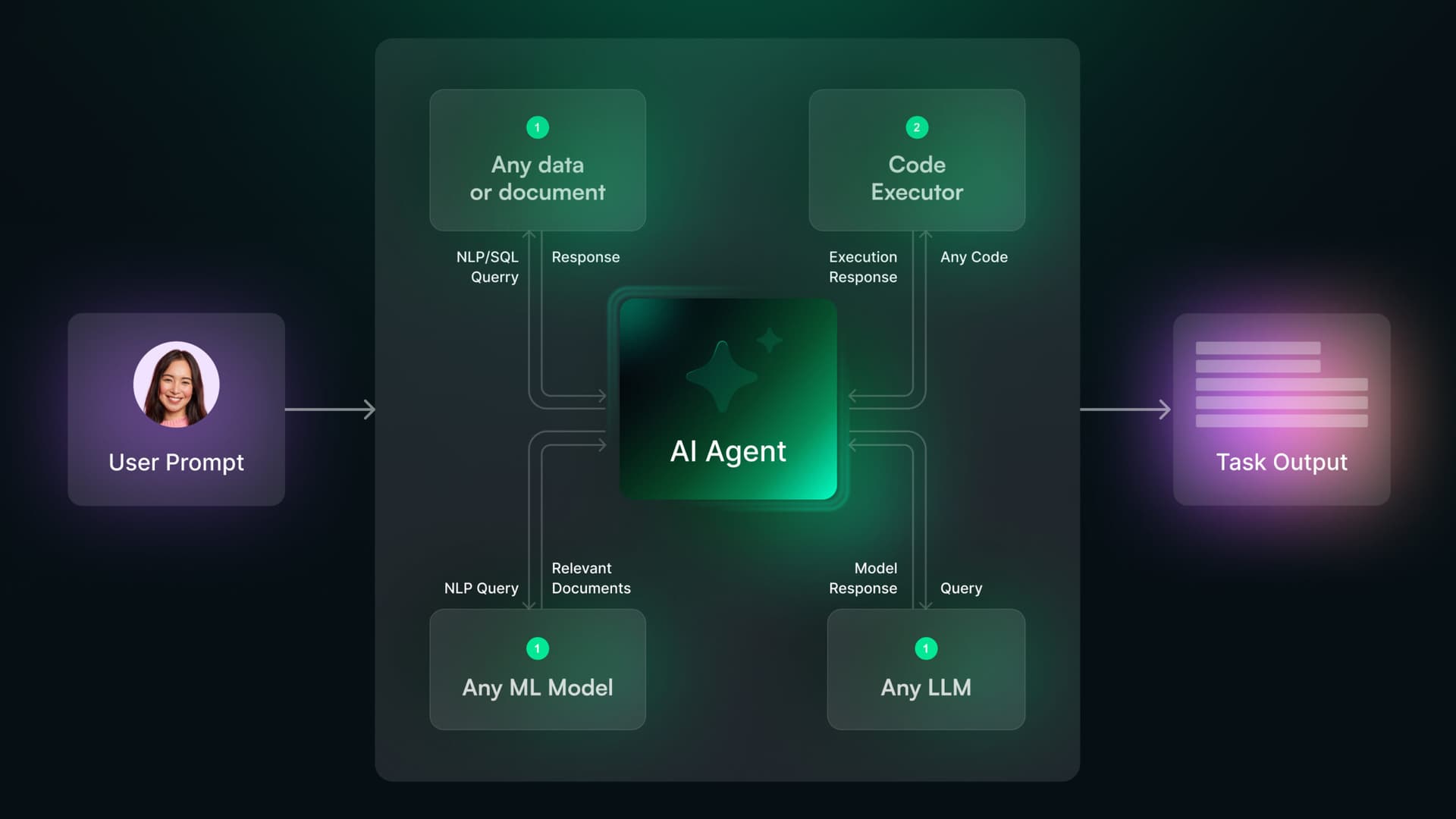
While the specific technical details of Tiny Fish's implementation were not disclosed in the brief announcement, the implication is clear: the tool provides a more robust interface or abstraction layer between the coding agent and the live web. This could involve better handling of dynamic content (JavaScript-rendered pages), more stable element selection, session persistence, or error recovery mechanisms.
The tool appears to be a practical infrastructure fix rather than a new AI model. Its value lies in increasing the reliability and success rate of existing coding agents like GitHub Copilot Workspace, Cursor, Devin, or open-source frameworks like OpenDevin when they need to operate outside a pure code editor.
Key Takeaways
- Tiny Fish has released a tool that makes the live web significantly more usable for AI coding agents.
- This addresses a critical failure point where agent workflows often break down during real-world web interactions.
What Happened

Tiny Fish, a developer known for building practical AI and developer tools, has released a new tool designed to bridge the gap between AI coding agents and the live web. The announcement, highlighted by AI researcher @kimmonismus, states the tool directly improves the usability of the live web for these agents, targeting a well-known pain point.
Context
For over a year, the AI engineering community has been pushing coding agents beyond autocomplete and into autonomous task execution. A significant roadblock has been agentic interaction with real-world systems, especially websites. Previous solutions often involved custom, fragile scripts or bypassing the web UI entirely via direct API calls—which aren't always available. Tiny Fish's tool seems to be a dedicated solution to this infrastructure gap.
gentic.news Analysis
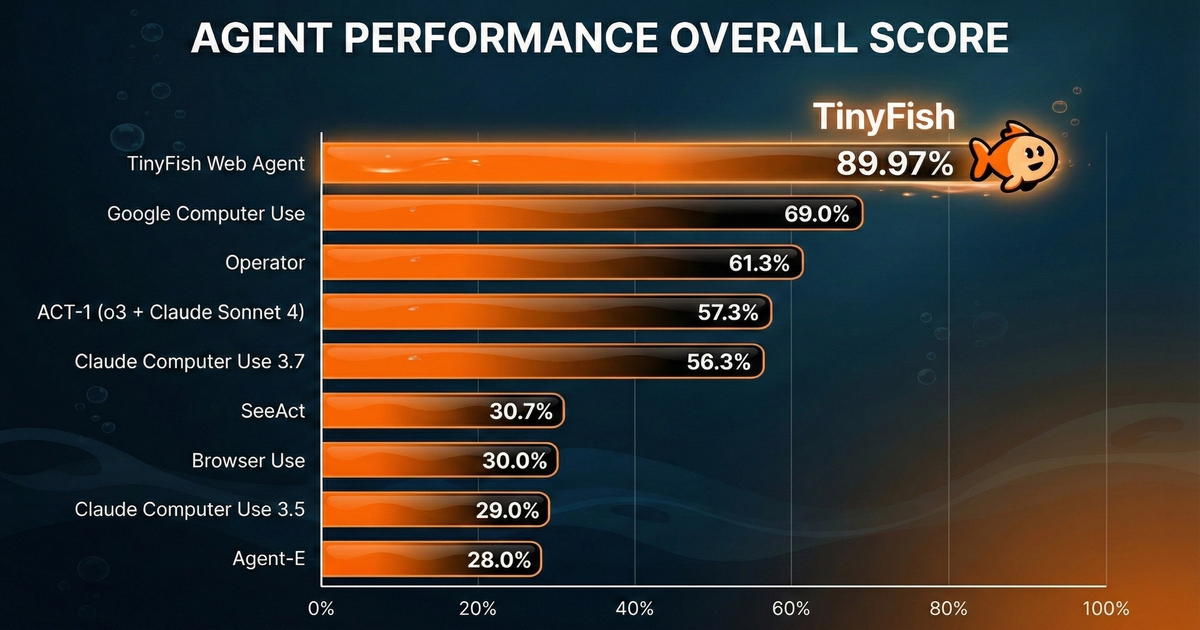
This development by Tiny Fish is a targeted strike at a critical, unsung bottleneck in the practical deployment of AI agents. While research and headlines focus on benchmark scores and reasoning capabilities, the real-world utility of agents often founders on mundane integration issues—like talking to a website. This tool represents the essential "plumbing" layer that must mature for agentic workflows to move from demos to daily use.
It aligns with a broader trend we've covered extensively: the shift from model-centric to infrastructure-centric AI development. As foundational models from OpenAI, Anthropic, and Google reach a high level of capability, the differentiating factor for applications is increasingly the reliability of the scaffolding around them. This was evident in our coverage of LangChain's and LlamaIndex's evolving agent frameworks, which also grapple with tool use and external API reliability. Tiny Fish's contribution is a focused, domain-specific piece of that scaffolding for the coding agent vertical.
Furthermore, this addresses a tension highlighted in our analysis of Devin's capabilities: the gap between curated sandbox demonstrations and the chaos of real developer environments. By improving live web usability, Tiny Fish is directly attacking a key component of that chaos. If successful, this lowers the setup cost and increases the success rate for automating web-based research, dependency management, documentation lookup, and even some aspects of DevOps or deployment workflows—moving agents closer to being true generalist software engineering assistants.
Frequently Asked Questions
What is Tiny Fish's new tool?
Tiny Fish has released a tool designed to make the live, dynamic web more usable and reliable for AI-powered coding agents. It addresses a common failure point where agents struggle to interact with real-world websites that have JavaScript, dynamic content, and changing states.
Why is web interaction hard for AI coding agents?
Most AI coding agents are designed to work with static code or controlled sandboxes. The live web is unpredictable: pages load dynamically, elements change, sessions expire, and actions have side effects. Building a robust agent that can navigate this requires complex handling of state, timing, and error recovery—which has been a major technical hurdle.
How does this tool help developers?
For developers using or building AI coding agents, this tool reduces the time and complexity required to make those agents work with real websites. Instead of writing custom, brittle scripts for web interaction, developers could potentially use this tool as a more reliable layer, allowing agents to perform tasks like checking documentation, automating web-based workflows, or gathering data from live services.
Is this an AI model or an infrastructure tool?
Based on the announcement, this appears to be an infrastructure or interface tool, not a new AI model. Its role is likely to provide a stable, well-defined API for web interaction that existing coding agents can call, handling the underlying complexity of browser automation, session management, and dynamic content parsing.