Key Takeaways
- TradeBeyond's Just Style piece argues traceability fails at scale due to fragmented data.
- The fix: a unified, interoperable platform consolidating supplier, material, and compliance data into one source of truth, enabling brands to move beyond pilots.
What Happened
TradeBeyond, a provider of supply chain management solutions for retail, published an analysis in Just Style addressing a persistent industry problem: why traceability initiatives fail when companies attempt to scale them beyond pilot programs.
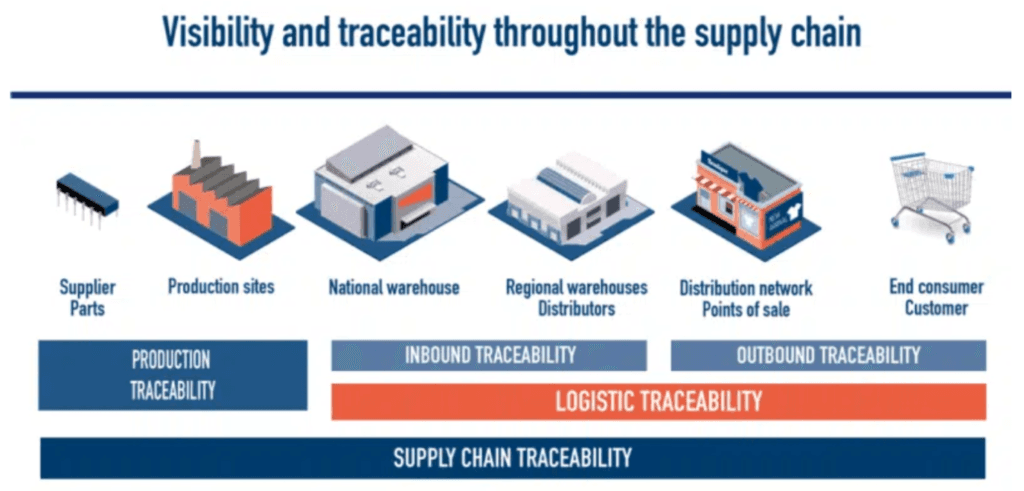
The core argument is straightforward: traceability programs collapse at scale because supply chain data remains fragmented across disconnected systems, suppliers, and tiers. A brand may successfully trace a single product line through one supplier network, but replicating that across thousands of SKUs, dozens of countries, and multiple tiers of suppliers becomes unmanageable.
The Core Problem: Fragmented Data
TradeBeyond identifies data fragmentation as the primary obstacle. In a typical retail supply chain, data exists in:
- Supplier portals that don't communicate with each other
- Spreadsheets maintained by different teams
- Legacy ERP systems that weren't designed for multi-tier traceability
- Compliance documents stored in separate repositories
When a brand attempts to scale traceability, it must reconcile these disconnected data sources — a manual, error-prone process that quickly becomes unsustainable.
The Fix: A Unified Data Backbone
TradeBeyond's proposed solution is a unified, interoperable platform that consolidates supplier, material, and compliance data into a single source of truth. Instead of bolting traceability onto existing fragmented systems, brands should adopt a platform designed for end-to-end visibility.
Key elements of the fix include:
- Single source of truth: One repository for all supply chain data, eliminating the need to reconcile disparate systems
- Interoperability: The platform must connect with existing ERP, PLM, and compliance systems rather than replacing them
- Multi-tier visibility: Data capture across all supplier levels, not just Tier 1
- Scalable architecture: Designed to handle thousands of suppliers and products without degradation
Retail & Luxury Implications
For luxury and retail brands, the stakes are high. Regulatory pressure — including the EU's Corporate Sustainability Due Diligence Directive and various forced labor legislation — is pushing traceability from a nice-to-have to a legal requirement. Yet many brands are stuck in pilot purgatory, unable to scale.
TradeBeyond's argument suggests that the problem isn't the technology but the approach. Brands that treat traceability as a point solution — a bolt-on to existing systems — will continue to struggle. Those that adopt a platform approach, with a unified data backbone, are better positioned to scale.
For luxury brands specifically, traceability is increasingly tied to brand integrity. Consumers and regulators want proof of material provenance, ethical sourcing, and sustainability claims. A fragmented data environment makes those claims difficult to substantiate.
Business Impact
While TradeBeyond's piece doesn't provide quantified metrics, the implications are clear:
- Regulatory compliance: Brands that can't scale traceability face legal and financial risk
- Brand reputation: Unsubstantiated sustainability claims damage consumer trust
- Operational efficiency: Manual data reconciliation is costly and error-prone
Implementation Approach
For brands considering a unified traceability platform, TradeBeyond's analysis suggests several considerations:
- Assess current data architecture: Understand where data lives and how it flows
- Evaluate platform interoperability: The solution must connect with existing systems
- Start with a clear use case: Define what traceability must achieve before choosing technology
- Plan for multi-tier adoption: Ensure suppliers at all levels can participate
Governance & Risk Assessment
The maturity of traceability platforms varies widely. While the technology exists, successful deployment depends on supplier adoption and data quality. Brands should assess:
- Data accuracy: Garbage in, garbage out — traceability is only as good as the data
- Supplier readiness: Smaller suppliers may lack the technical capacity to participate
- Regulatory alignment: Ensure the platform supports evolving compliance requirements
Source: news.google.com