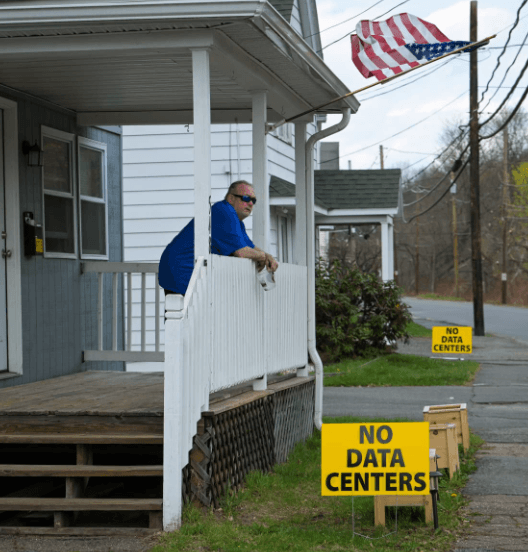
Emporia, Kansas, moved two commission meetings online after officials received death threats over AI data-center decisions. More than 500 active local bans now exist, up from 300-plus in late June.
Key facts
- 500+ active local data-center bans by early August
- 300+ bans in late June, doubling in weeks
- Emporia, Kansas: 2 meetings moved online
- Grayslake, Illinois: comment session canceled
- Officials received death threats over decisions
Building an AI data center in the US has become contentious enough that local officials are receiving death threats over the decision. Emporia, Kansas, moved 2 commission meetings online and removed public comment for safety. Grayslake, Illinois, canceled an extended public-comment session after violent social-media posts raised safety concerns. According to @rohanpaul_ai
Escalation in Local Opposition
The number of active temporary or permanent local data-center bans surged to more than 500 by early August, up from 300-plus in late June. This rapid doubling reflects a broader backlash as communities weigh power demands, water use, and noise against economic promises. Local officials now face personal risk, a shift from routine zoning disputes.
The threats are not isolated. Emporia and Grayslake represent a pattern where public comment becomes a vector for violence. Moving meetings online or canceling sessions is a pragmatic response, but it undercuts the democratic process that data-center developers often cite as a community benefit.
The 500-plus figure is notable but imprecise. The source does not specify which jurisdictions are included or how bans are defined—temporary moratoriums versus permanent zoning changes. That ambiguity matters for developers tracking legal risk.
What This Means for Builders
For hyperscalers and developers, the takeaway is that community opposition is now a security issue, not just a permitting hurdle. Projects face delays, added costs, and reputational damage when local sentiment turns hostile. The threats could also invite state-level preemption, as legislatures may step in to override local bans—a counter-move worth watching.
The escalation parallels earlier fights over renewable energy siting, but the stakes are higher given the scale of AI infrastructure. Developers need to factor in community engagement and security protocols from day one, not as an afterthought.
What to watch
Watch for state-level preemption bills in the next legislative session—states like Kansas or Illinois may override local bans to attract AI investment. Also track whether the ban count continues to climb past 500 and if federal agencies issue guidance on data-center siting security.
[Updated 23 Aug via tomshardware]
New analysis from the Soufan Center’s July IntelBrief documents hundreds of social media posts containing threat language between July 2025 and July 2026, with a notable surge beginning in April. The report underscores that threats against officials are not isolated anecdotes but part of a broader, measurable pattern of online radicalization tied to data-center siting decisions. This quantitative evidence strengthens the case that community opposition has become a security concern, not just a zoning issue, and may accelerate calls for federal or state intervention to protect local decision-makers. [per Tom's Hardware]