Key Takeaways
- Towards AI explains how GPU VRAM constraints, not compute, dictate LLM inference costs locally and in the cloud.
- The article details memory math, 2026 hardware shortages, and pricing trends, urging teams to manage context and quantization.
What Happened
An article on Towards AI argues that the memory ceiling of your local GPU is the most reliable predictor of your future cloud inference costs. It breaks down the technical reasons why memory, not compute, is the primary bottleneck for running large language models (LLMs) and explains how the same constraints that limit local hardware are directly reflected in cloud pricing.
Technical Details
The article explains that a GPU's raw processing power is less important than its memory bandwidth and capacity for inference. Model weights must reside in VRAM, with a working rule of thumb of roughly 2GB of VRAM per billion parameters at FP16 precision. Quantization (Q8, Q4) can reduce this, but at a small quality cost.
Beyond weights, the KV cache—the attention state stored for every token in the context window—is a major memory consumer. Long context windows can double a model's footprint, and concurrent requests multiply this further. A handful of long-context requests can require more memory than the model weights themselves.
The article provides a rough estimate of local memory requirements for common model sizes in 2026:
- 7B-9B models: Run comfortably on an 8GB card, with Apple Silicon's unified memory also viable.
- 30B+ models: Require multi-GPU setups or expensive workstation parts.
This jump is not a hardware roadmap problem but a fundamental memory capacity and bandwidth ceiling.
The 2026 Hardware Market
The article highlights that 2026 has been a difficult year for memory supply. HBM3E memory costs have climbed as chipmakers prioritize newer architectures, squeezing output of high-VRAM cards. Used GPUs like the RTX 3090 (24GB) have increased in price, and even mid-tier 16GB cards carry premiums. This supply-constrained market amplifies the technical ceiling, pushing costs upward.
Why This Mirrors Your Cloud Bill
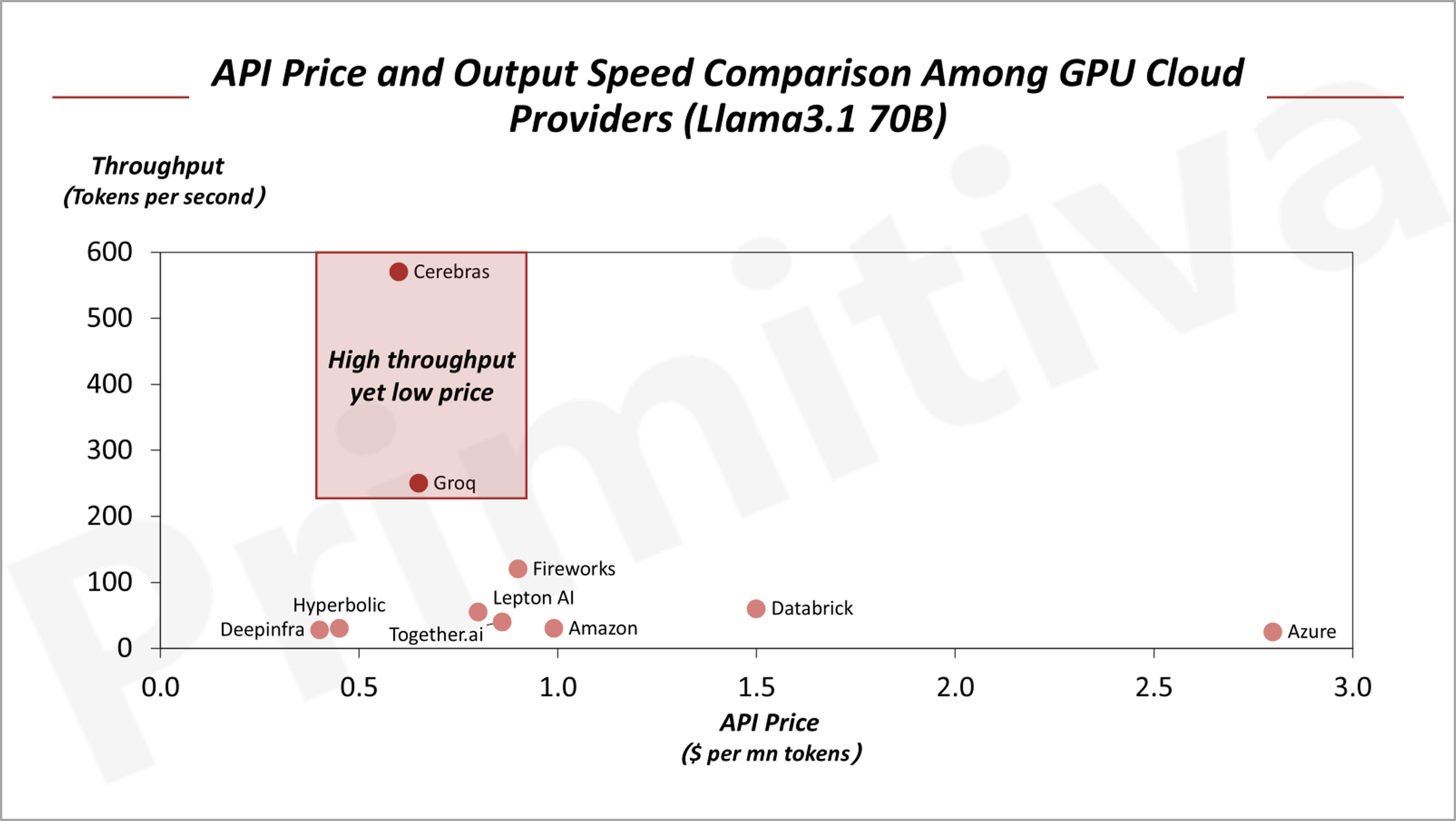
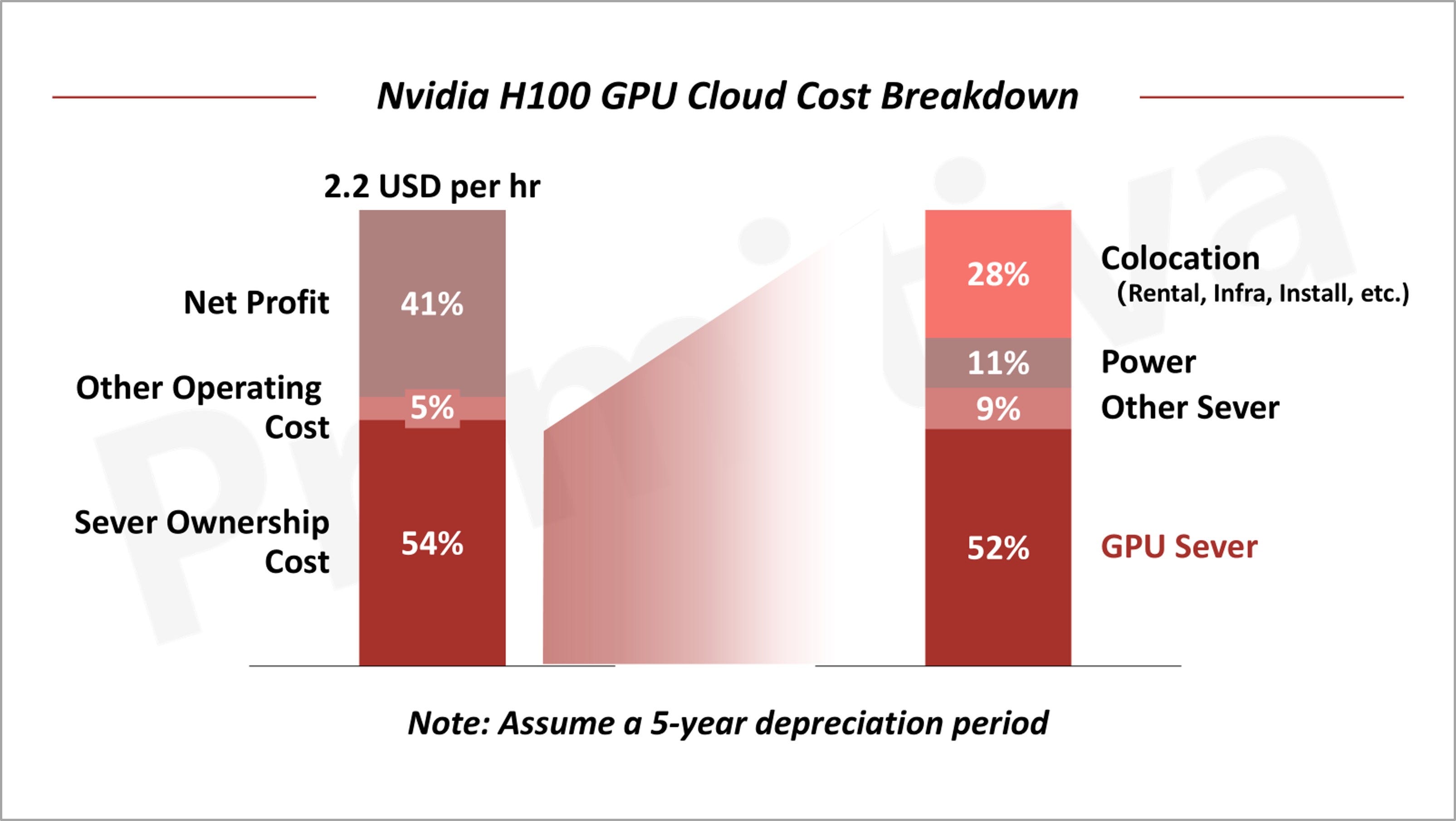
Cloud inference does not escape this math—it just relocates it and charges per gigabyte. Providers like those offering H100 (80GB VRAM) and H200 (141GB VRAM) GPUs price access to memory, not just compute. When memory is scarce, on-demand rates climb. The article identifies three pressures that move from local setups to cloud invoices:
- Context window costs compound: Long conversations and large documents grow the KV cache, increasing token pricing and required GPU tier.
- Concurrency multiplies memory: Providers need memory headroom for all active caches, favoring capacity-focused GPUs like the H200.
- Model size upgrades are memory upgrades: Moving from a 7B to a 70B model is, underneath, a decision to rent a bigger, scarcer, more expensive chunk of VRAM.
A Rough Cost Trajectory
The article notes that on-demand H100 pricing has trended upward through 2026, with a wide gap between A100 and H100/H200 pricing. Memory-heavy workloads (long context, high concurrency) are most exposed to these trends.
What Actually Helps
The article offers practical advice to manage costs:
- Quantize aggressively where quality allows (Q4, Q8).
- Cap context windows deliberately to reduce KV cache size.
- Right-size the model to the task (e.g., use a 9B model for routine requests).
- Batch and monitor concurrency to avoid overprovisioning.
- Treat local experimentation as a cost forecasting tool—if a model barely fits locally, budget for it to be in an expensive cloud tier.
Retail & Luxury Implications
For AI leaders in retail and luxury, this analysis has direct implications for budgeting and infrastructure planning. While the article does not mention retail specifically, its core thesis is universally applicable:
- Cost Forecasting: Retailers using LLMs for customer service, product recommendations, or internal knowledge management can use local experimentation to predict cloud costs. If a 70B model barely fits on a development workstation, expect to pay a premium for it in production.
- Model Selection: The advice to right-size models is critical. A luxury brand might not need a 70B model for a simple product description generator; a 7B-9B model could suffice at a fraction of the cost. This is a memory decision as much as a quality one.
- Context Management: For applications like analyzing customer feedback or lengthy product catalogs, capping context windows can significantly reduce memory consumption and cost. Retailers should design prompts and workflows that only use long context when necessary.
- Infrastructure Strategy: The article suggests that for steady workloads on models up to ~30B, local hardware can pay for itself. Luxury houses with high data privacy needs might find on-premise or edge inference more attractive for certain tasks, avoiding cloud costs and keeping data in-house.
The key takeaway for retail is to treat GPU memory as a first-class cost driver, not an afterthought. By actively managing model size, quantization, and context length, AI teams can control cloud expenses and make more informed infrastructure decisions.
Source: pub.towardsai.net