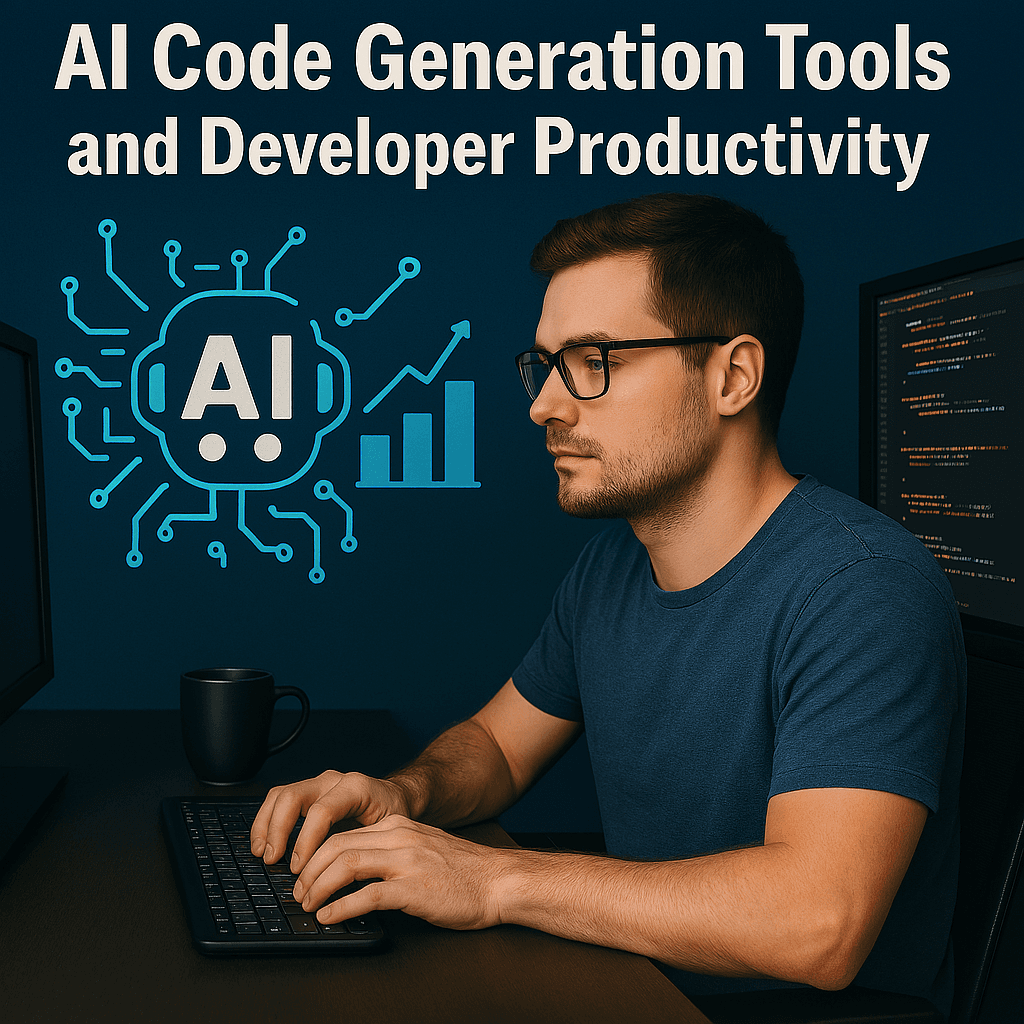
Logistics software company WiseTech Global has laid off approximately 2,000 software engineers, a move directly attributed to the adoption of AI-powered code generation tools. The cuts, reported by industry observer George Pu, target full-time engineering roles, not just junior positions or contractors. The announcement frames the shift as a fundamental change in the value proposition of software engineering: "Turns out writing code was never the moat. Knowing what to build was."
What Happened
According to the report, WiseTech executed a significant reduction in its engineering workforce, eliminating around 2,000 developer roles. The company's rationale, as conveyed, is that artificial intelligence systems are now capable of performing the core task of writing code. This is presented not as a cost-cutting measure on peripheral roles, but a strategic realignment affecting the core engineering function. The implication is that the skill of translating requirements into functional code—long the bedrock of software careers—is being rapidly automated.
Context: The AI Coding Revolution
The move occurs against the backdrop of rapid advancement in AI code generation. Tools like GitHub Copilot, powered by models such as OpenAI's Codex, and more recent systems like Anthropic's Claude 3.5 Sonnet and Google's Gemini Code Assist, have moved from being coding assistants to primary authors for certain classes of boilerplate, API integration, and even feature development. Benchmarks like SWE-Bench, which evaluates AI systems on real-world software engineering issues from open-source projects, show top models can now resolve a significant portion of tasks autonomously.
For a company like WiseTech, a major player in global logistics software (CargoWise), automating code production could directly impact development velocity and resource allocation. The layoffs suggest the company believes it can maintain or increase output with a smaller, more product-strategy-focused engineering team supported by AI.
The Strategic Pivot: From "How" to "What"
The core insight from the announcement is the redefinition of the software engineer's "moat"—the defensible skill that provides value. For years, the ability to write syntactically correct, efficient, and scalable code was that moat. The advice "learn to code" was considered a safe bet for a secure career.
The assertion now is that the moat has shifted upstream to product conception, system design, and problem-framing—knowing what to build, defining the precise requirements, and architecting the solution. The engineer's role evolves from a primary writer to a director, reviewer, and integrator of AI-generated code, requiring deeper domain expertise and architectural vision.
Immediate Implications
- Workforce Restructuring: This is one of the largest single layoff events explicitly tied to AI code generation adoption, suggesting a tipping point for enterprise-scale implementation.
- Skill Demand Shift: Demand may decrease for engineers focused purely on implementation, while increasing for those skilled in prompt engineering for code, AI toolchain integration, code review of AI output, and high-level system design.
- Industry Ripple Effect: Other large software-dependent enterprises in sectors like finance, enterprise SaaS, and telecom may evaluate similar restructuring if WiseTech demonstrates maintained productivity.
gentic.news Analysis
This is not an isolated data point but a confirmation of a trend we've been tracking in the convergence of AI agentics and software development. As we covered in our analysis of Devin (Cognition AI) and the SWE-Agent framework, the trajectory has been clear: AI is moving from a pair programmer to an autonomous coding entity. WiseTech's drastic action provides a real-world, economic validation of that research trend. It aligns with our previous reporting on Microsoft's and Google's internal metrics showing 30-50% reductions in coding time for developers using Copilot and Duet AI, respectively—gains that logically translate to needing fewer developers for the same output.
The critical nuance here is the targeting of engineers, not just contractors. This suggests the value erosion is happening at the core of the profession, not at its margins. It contradicts the optimistic narrative that AI will merely "augment" developers, instead pointing to a genuine displacement effect for a significant subset of coding tasks. The entity relationship is key: WiseTech (CargoWise) is a major logistics platform; its move could pressure competitors like Oracle (Transportation Management) and SAP to follow suit to remain cost-competitive, potentially triggering a sector-wide contraction in traditional developer headcount.
Looking forward, the battleground shifts to product management and technical leadership. If AI handles the "how," the premium intensifies on the roles that define the "what." This could accelerate investment in AI tools for product requirement generation, automated testing of AI-built features, and new metrics for engineering organizations that decouple output from headcount.
Frequently Asked Questions
Is AI really replacing all software engineers?
No, but it is replacing a significant portion of the code-writing task that constituted much of a junior to mid-level engineer's day. The role is shifting towards higher-level design, architecture, prompt engineering for code generation, and integration of AI-built components. The total number of "software engineer" roles may contract, and the skill profile for the remaining roles will change dramatically.
What skills should a developer learn now to stay relevant?
Focus on skills that are upstream or downstream of raw code generation: System Design and Architecture, Domain Expertise (like logistics, finance, healthcare), AI Toolchain Mastery (prompt engineering for code, evaluating AI output), Security Review of AI-Generated Code, and Product Management. Understanding how to specify problems for AI and validate its solutions is becoming the core competency.
Will this cause a collapse in computer science enrollments?
Likely not a collapse, but a correction and refocus. CS curricula will need to rapidly de-emphasize syntax and basic algorithm implementation (which AI excels at) and re-emphasize conceptual design, AI collaboration, ethics of automated systems, and domain-specific problem-solving. The field may attract fewer students seeking purely technical implementation careers but may attract more interested in the intersection of technology, design, and business logic.
Is WiseTech's move risky? Could code quality suffer?
It is a significant operational risk. While AI generates code quickly, ensuring its correctness, security, efficiency, and alignment with broader system goals requires sophisticated human oversight. WiseTech is betting it can maintain quality with a smaller team of senior engineers directing AI. The next 12-18 months of their product release stability and security record will be a crucial case study for the industry.