François Arnaud’s 2016 sheer shirt, spotlighted by WWD, remains a defining menswear moment. The actor’s viral look now anchors a 2026 retrospective on male transparency in fashion.
Key facts
- François Arnaud’s 2016 sheer shirt went viral on social media.
- WWD’s 2026 retrospective calls it 'the shirt that changed it all.'
- Arnaud is known for his role in 'The Borgias.'
- The moment predates the 2020s genderless fashion wave.
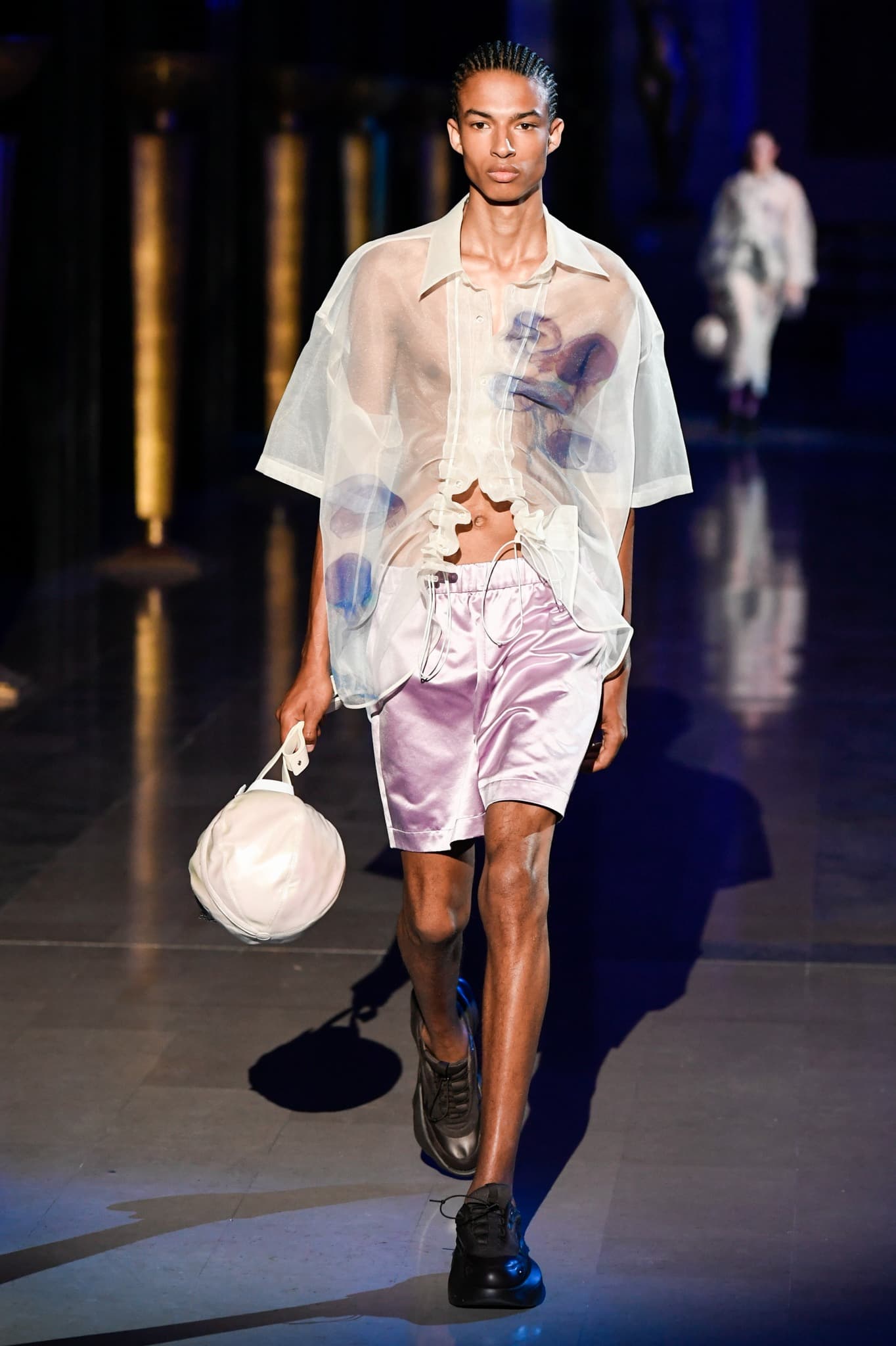
- Sheer menswear appears in 2025-2026 Saint Laurent and Rick Owens collections.
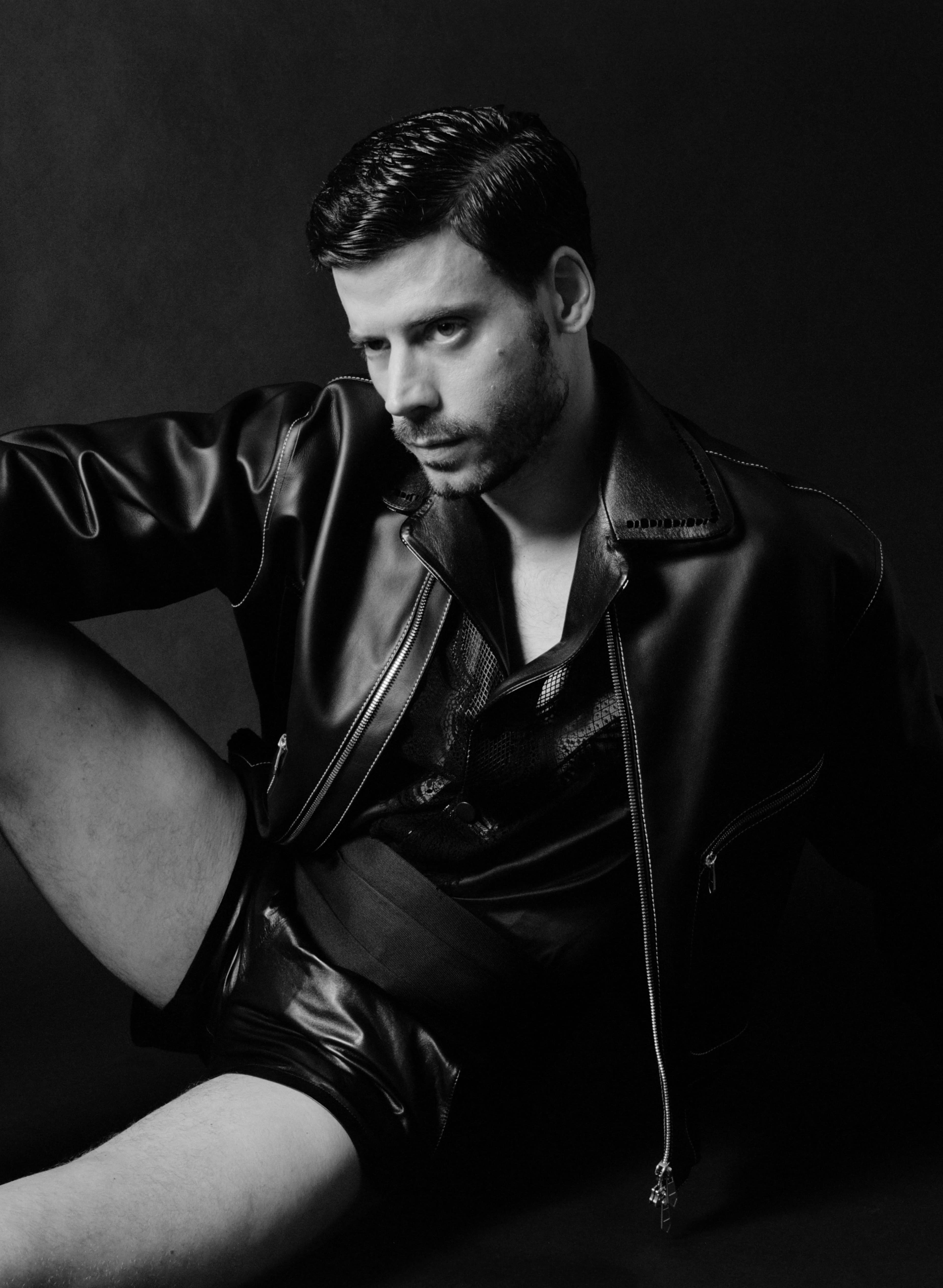
In 2016, François Arnaud’s sheer, skin-tight shirt at a red carpet event went viral, reshaping menswear’s embrace of transparency. According to @wwd, the Canadian actor—best known for The Borgias—wore a see-through top that immediately dominated social media and fashion columns, a moment the outlet now frames as “the shirt that changed it all.”
WWD’s 2026 retrospective credits the moment with normalizing see-through fabrics for men, a trend that has since moved from red-carpet shock to mainstream runways. The shirt, worn by the actor, sparked immediate social media buzz and fashion commentary, with outlets like GQ and Vogue noting its rarity—male celebrities rarely opted for sheer looks at the time.
Arnaud’s look is now cited as a precursor to male transparency trends in recent runway collections, per the WWD piece. Designers from Saint Laurent to Rick Owens have featured sheer menswear in 2025 and 2026 lines, echoing the aesthetic Arnaud popularized. The 2016 moment remains a reference point for designers exploring sheer menswear in 2026, though WWD does not provide specific sales data or runway citations in the post.
The Context: A Decade of Sheer Menswear
The retrospective lands as fashion’s current cycle embraces fluidity and exposure. Arnaud’s shirt—a simple, fitted, transparent top—was notable for its casualness, not just its nudity-adjacent styling. It predated the “genderless” fashion wave by several years, and WWD’s framing suggests it was a catalyst, not a one-off.
Critics might argue the moment was less transformative than WWD implies—see-through menswear existed in avant-garde circles prior, and Arnaud’s shirt was a styling choice, not a design statement. But the viral reach, amplified by 2016-era Twitter, gave the look mainstream visibility it hadn’t had.
Why It Matters Now
WWD’s 2026 revisit is itself a signal: the outlet is positioning Arnaud’s shirt as a historical pivot point, not a footnote. For fashion historians and trend analysts, the piece offers a clear timeline from a single red-carpet moment to a sustained category. The absence of hard numbers—no engagement metrics, no sales figures—leaves the “changed it all” claim partly qualitative, but the cultural resonance is hard to deny.
What to watch
Watch for WWD’s next retrospective—likely covering another viral fashion moment—and whether sheer menswear appears in upcoming 2026 awards season red carpets, which would confirm the trend’s staying power beyond runways.