Key Takeaways
- YouGov survey reports clothing shoppers resistant to AI tools for product discovery.
- This challenges retail AI strategies, signaling need for consumer education and trust-building.
What Happened
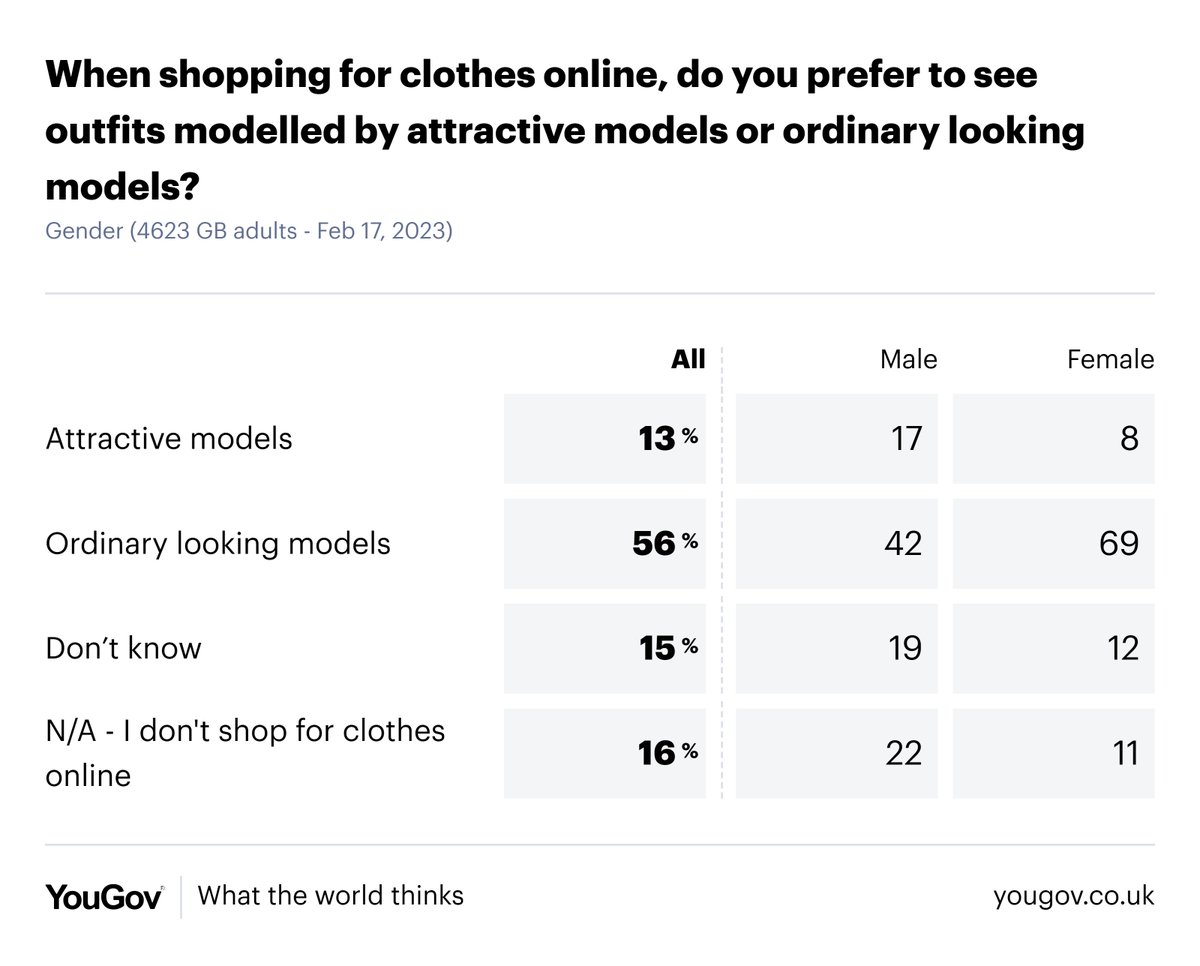
A recent YouGov survey has revealed that clothing shoppers exhibit significant resistance to using AI tools for product discovery. The findings, reported by Chain Store Age, indicate a notable gap between the rapid deployment of AI technologies by retailers and the willingness of consumers to embrace them in their shopping journeys.
Key Findings
The survey underscores a critical barrier: despite the proliferation of AI-powered recommendation engines, visual search tools, and virtual try-ons, shoppers remain hesitant. While the exact metrics were not detailed in the available excerpt, the headline finding is clear—consumer skepticism persists, particularly in the clothing segment.
Implications for Retail & Luxury
This resistance poses a direct challenge for luxury and fashion retailers who have invested heavily in AI-driven personalization. Brands like Kering, Richemont, and Nike are exploring AI for enhanced product discovery, but this survey suggests adoption may require more than just technological sophistication.
- Trust Deficit: Shoppers may distrust AI recommendations, fearing bias or lack of human touch.
- Experience Gap: Current AI tools may not yet match the intuitive, tactile experience of browsing in-store.
- Demographic Variance: Resistance may vary by age, tech-savviness, or shopping frequency.
Business Impact

For retailers, this resistance could slow ROI on AI investments. However, it also presents an opportunity: those who successfully bridge the trust gap—through transparent AI, hybrid human-AI models, or educational campaigns—could gain a competitive edge.
Implementation Approach
Retailers should consider:
- Phased Rollouts: Introduce AI tools as optional enhancements, not replacements.
- User Education: Communicate how AI benefits the shopper (e.g., better fit, time savings).
- Hybrid Models: Combine AI suggestions with human stylist input, especially in luxury.
Governance & Risk Assessment
- Privacy: Ensure AI tools comply with data regulations (e.g., GDPR, CCPA).
- Bias: Mitigate algorithmic bias in recommendations.
- Maturity: Consumer readiness is low; focus on building trust before scaling.
gentic.news Analysis
This survey is a reality check for the AI-in-retail narrative. While technology is advancing rapidly—Google's Gemini models, for instance, power sophisticated vision and language capabilities—consumer adoption lags. The resistance may stem from a lack of perceived value or fear of the unknown. Retailers should not abandon AI but must invest in user-centric design and transparent communication. The winners will be those who make AI invisible and intuitive, not those who shout about it.
Source: news.google.com