A recent interview with creative director Zilan Lin, published on GritDaily, delves into the intersection of artificial intelligence, motion design, and luxury brand marketing. The discussion centers on how AI is not just automating tasks but fundamentally reshaping the creative process for visual content aimed at the critical Gen Z demographic.
The Innovation — What the Source Reports
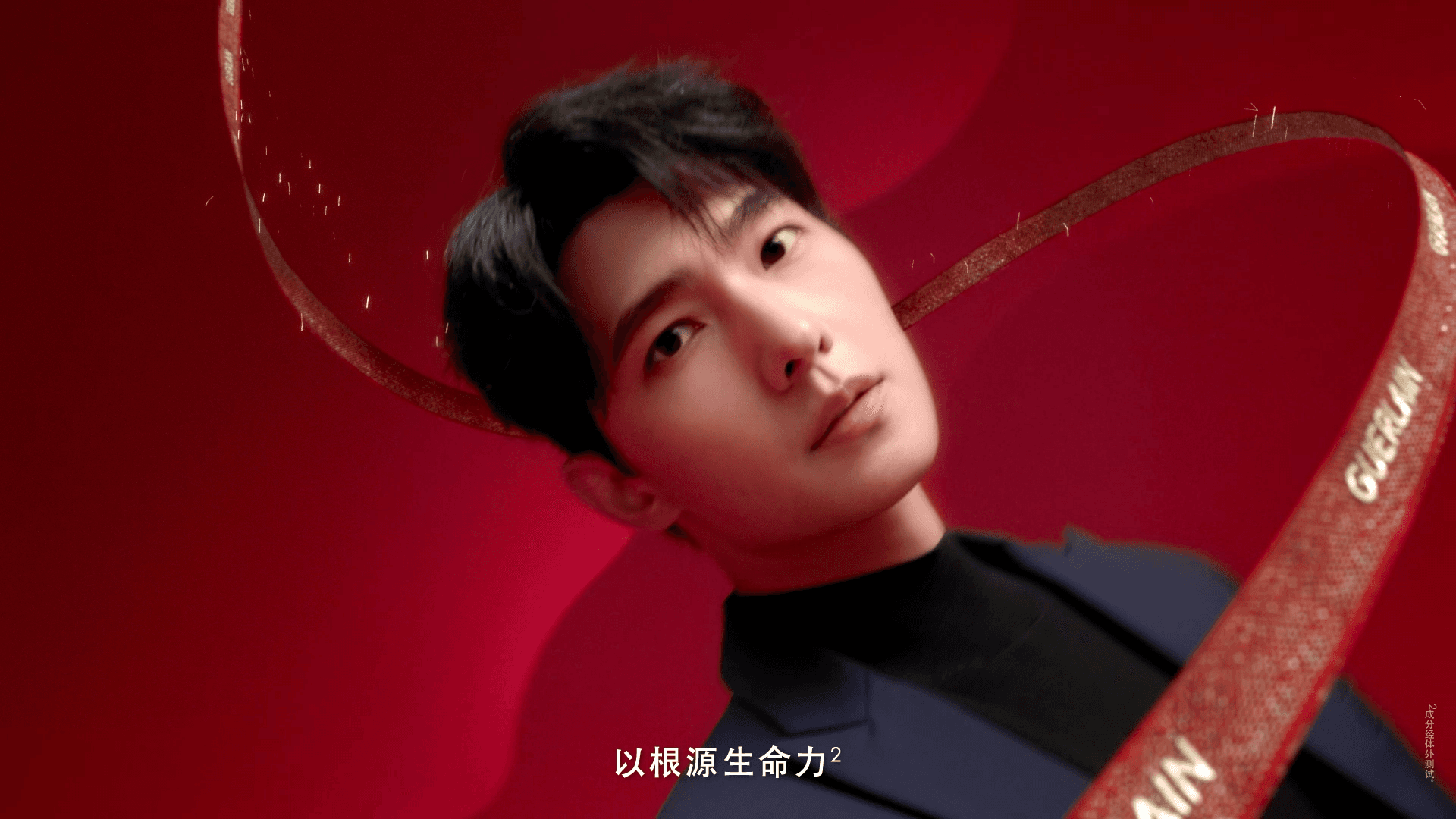
While the full article text is not provided, the title and context indicate a focus on AI-driven motion design. This refers to the use of generative AI and machine learning tools to create animated graphics, dynamic logos, and moving visual content. For luxury brands, this represents a shift from static, highly polished imagery towards more fluid, expressive, and rapidly iterated digital assets.
The core thesis is that to engage Gen Z—a cohort that values authenticity, digital-native expression, and cultural relevance—luxury brands must evolve their visual language. AI tools enable designers like Lin to experiment at unprecedented speed, blending high-fashion aesthetics with internet culture, memes, and interactive formats that resonate on platforms like TikTok and Instagram Reels.
Why This Matters for Retail & Luxury
This is a direct response to a generational shift in consumer engagement. The traditional luxury playbook of majestic still photography and cinematic TV ads is insufficient for capturing attention in fragmented, scroll-based feeds. AI-driven motion design offers concrete applications:
- Dynamic Product Launches: Instead of a static lookbook, a new handbag collection can be introduced via an AI-generated motion graphic that morphs patterns, plays with materials, and reacts to user interaction.
- Social-First Content Creation: Brands can produce a high volume of platform-specific, trending content. An AI tool could take a core brand asset (like a monogram) and generate hundreds of variations in motion for stories, posts, and ads, each tailored to a different micro-trend or cultural moment.
- Personalized Video Experiences: For e-commerce, AI can enable short, personalized motion clips for product recommendations or to celebrate a customer’s milestone, moving beyond templated email.
- Reinventing Brand Symbols: Iconic logos and motifs can be reimagined as living entities. Imagine a brand’s emblem that subtly animates in digital spaces, reflecting weather, time of day, or trending topics, creating a new layer of digital brand identity.
Business Impact
The impact is qualitative but profound: brand relevance and engagement. For Gen Z, coolhunting is constant, and brands that appear static or slow to adapt are dismissed. AI-augmented motion design allows luxury houses to participate in digital culture at the speed it demands, without sacrificing the high production values that define the sector. It’s a tool for cultural agility.
Quantifying this is challenging but can be tracked through engagement metrics (watch time, shares, completion rates) on social video content, increased earned media from standout digital campaigns, and ultimately, affinity among younger consumer segments that translate to future lifetime value.
Implementation Approach
Adoption is happening at the creative agency and in-house studio level. The technical stack involves:
- Generative Video & Animation Models: Tools like Runway ML, Pika Labs, and Google’s Veo (as part of its broader Gemini ecosystem) are central. These allow text-to-video and image-to-video generation.
- 3D & Simulation AI: Tools that can quickly generate 3D models of products or environments and animate them, crucial for showcasing luxury goods.
- Creative Workflow Integration: The key is not full automation but augmentation. AI handles rapid prototyping, generating background elements, or creating variations, while human directors and designers provide creative direction, curation, and the final polish that ensures brand integrity.
The complexity lies in governance and taste. The technology is accessible, but the skill is in guiding it to produce output that aligns with a brand’s heritage and elevated positioning.
Governance & Risk Assessment
- Brand Dilution: The biggest risk is producing content that feels generic or off-brand. Strong creative direction and a clear visual guideline for AI outputs are non-negotiable.
- Intellectual Property: Training data for public AI models may include copyrighted imagery. For major campaigns, brands may need to invest in custom-trained models on their own asset libraries to ensure uniqueness and avoid legal gray areas.
- Authenticity Paradox: While aiming for authenticity, over-reliance on AI could be perceived as inauthentic if discovered. The strategy must be transparent about using AI as a creative tool, not a replacement for human creativity.
- Maturity Level: The technology is rapidly evolving from novelty to professional tool. It is past the experimental phase for early adopters but requires dedicated, skilled practitioners to implement reliably at scale.
gentic.news Analysis
This interview highlights a critical, applied front in the AI revolution for luxury: content velocity with brand fidelity. While much of our coverage focuses on Google's core model releases and API pricing—such as the recent launch of Gemini API 'Flex' and 'Turbo' tiers or the open-source Gemma 4 models—the end-use case in creative fields is where the rubber meets the road. The tools discussed by Lin likely leverage the underlying capabilities of the very generative models we track.
The 📈 TREND of Google appearing in 36 articles this week underscores its pervasive role as an infrastructure provider. While Google competes with OpenAI and Anthropic at the foundation model layer, its tools (like Veo for video) are becoming part of the creative stack that agencies use. This story is less about Google directly and more about how the ecosystem it's part of is empowering a new creative workflow.
For AI leaders at luxury brands, the takeaway is twofold: First, partner with creative teams who are already exploring these tools. Second, consider the infrastructure implications. Generating high volumes of motion content requires compute, potentially tapping into Google Cloud or other services. The move towards dynamic, AI-generated visuals is not just a marketing tactic; it's a shift in digital asset production that will have downstream effects on content management systems, storage, and personalization engines.