The Innovation — What the Source Reports

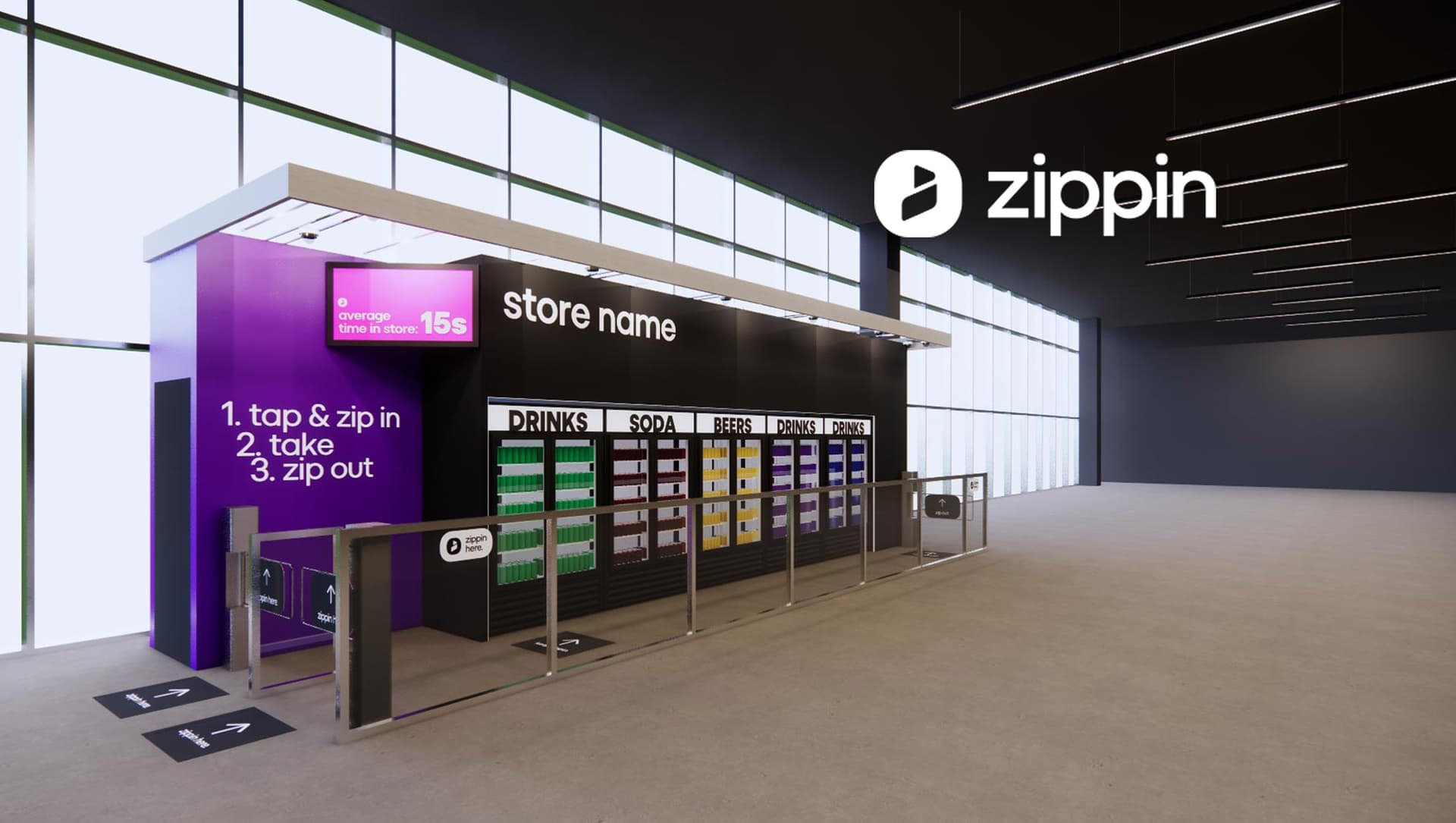
The source, a headline from the Retail Technology Innovation Hub, announces a "Marvellous March" for Zippin, a company specializing in AI and computer vision technology for autonomous stores. While the provided excerpt lacks specific details on deployments, partnerships, or metrics, the headline itself is a clear market signal. It indicates that Zippin, a key player in the frictionless retail space, experienced a period of significant activity, progress, or commercial success during that month. This typically encompasses new store launches, partnership announcements, or technological milestones for providers in this competitive sector.
Why This Matters for Retail & Luxury
For luxury and premium retail, the evolution of autonomous store technology isn't primarily about cost-cutting or convenience for low-margin items. The relevance is more nuanced and experiential:
- High-Value, Low-Friction Experiences: In airport boutiques, flagship store annexes, or hospitality settings (luxury hotels, resorts), a seamless, checkout-free experience can remove a final point of friction for high-net-worth individuals. The ability to pick up a premium accessory, fragrance, or limited-edition item without queuing aligns with an expectation of effortless service.
- Data-Driven Assortment & Layout: The AI and computer vision stack that powers autonomous checkout generates incredibly granular data: heatmaps of customer movement, dwell times at specific displays, and item interaction rates. For luxury brands, this data is invaluable for understanding how customers engage with products in a physical space, informing everything from merchandising to the design of future stores.
- Extended Hours & Staff Optimization: Autonomous store formats can allow for 24/7 operation in specific contexts (like hotel lobbies or transit hubs) without requiring staff presence. This enables brands to capture revenue outside traditional hours while allowing human staff to focus on high-touch consultation and service during peak times.
Business Impact
The business impact of Zippin's reported strong month is twofold:
- Market Validation: Continued activity signals that the autonomous store model is moving past the pilot phase into more sustained commercial deployment. It validates retailer interest in the underlying technology stack.
- Competitive Pressure: Zippin's momentum directly impacts the competitive landscape, which includes rivals like Amazon's Just Walk Out technology, Standard Cognition (now Zippin's parent company following their merger), and Trigo. A strong Zippin forces competitors to innovate and may accelerate overall market adoption.
For a luxury brand, the immediate ROI might not be in labor savings but in enhanced customer experience data and the ability to serve customers in novel, high-traffic, low-staff environments. The investment is in future-proofing the physical retail experience and gathering unique behavioral insights.
Implementation Approach

Implementing an autonomous store solution like Zippin's is a significant technical and operational undertaking:
- Infrastructure Overhaul: The store requires a dense network of overhead cameras and sensors integrated with shelf-weight sensors. This necessitates a retrofit of existing spaces or incorporation into new store designs.
- AI/Computer Vision Core: The system relies on sophisticated, real-time computer vision models to identify hundreds of thousands of SKUs and accurately track individual customers and their selected items. This requires robust edge computing and cloud processing.
- Payment Integration: Seamless integration with payment systems and digital wallets is critical for the frictionless exit.
- Change Management: Staff roles evolve from checkout operations to customer assistance, stock management, and experience curation. Training and change management are essential.
For luxury brands, the aesthetic integration of the technology is paramount—cameras and sensors must be discreet to maintain the brand's ambiance and design integrity.
Governance & Risk Assessment
- Privacy: The use of extensive visual tracking is a paramount concern. Clear customer communication, opt-in mechanisms (e.g., via a branded app), and strict data governance policies are non-negotiable, especially for a luxury clientele with high privacy expectations.
- Accuracy & Loss Prevention: The system's accuracy rate directly impacts shrinkage. While providers claim high accuracy (>99%), any errors can lead to customer frustration or loss. Robust dispute resolution mechanisms are needed.
- Technological Maturity: While advancing rapidly, the technology is still maturing. Handling complex scenarios (e.g., crowded stores, items with similar packaging, returns) at scale requires continuous model refinement.
- Cost-Benefit Analysis: The capital expenditure for hardware, software, and integration is substantial. For luxury, the business case must be built on experience enhancement and data insights, not just operational efficiency.
gentic.news Analysis
Zippin's reported strong performance in March is a data point in a longer, aggressive consolidation and growth phase within the autonomous retail sector. This follows the merger between Zippin and Standard Cognition in late 2022, a move that combined Zippin's focus on powered storefronts with Standard's strengths in retrofit solutions for existing retailers. The merged entity is now a formidable competitor to Amazon's Just Walk Out, aiming to be the leading third-party provider.
This activity aligns with a broader trend we've monitored: the specialization of AI for physical retail operations. It's not just about autonomous checkout; it's about creating a data-rich digital twin of the store floor. The insights from such systems—tracking which luxury handbag a customer picks up, puts down, and ultimately purchases—are as valuable as the checkout automation itself. This connects directly to our previous analysis on computer vision for in-store analytics, where the goal is to understand the "why" behind customer behavior.
For luxury brands, the decision to pilot such technology will be less about following a trend and more about strategic questions: Can it enhance service in select, high-traffic micro-locations? Does the data quality justify the investment and privacy considerations? Zippin's ongoing market activity suggests they are successfully convincing a segment of the retail market that the answer is yes, pushing the entire ecosystem forward. The next step for luxury will be bespoke implementations that hide the technology's machinery behind the curtain of seamless, elevated experience.