More than 95% of announced Nvidia Grace Blackwell GPU capacity remains undeployed, per Air Street Capital's Compute Index. The figure, cited by investor Jesse Felder, suggests a chasm between AI infrastructure hype and actual deployment.
Key facts
- 95% of announced Blackwell GPUs not deployed.
- Data from Air Street Capital Compute Index.
- Blackwell includes B100, B200, and GB200 GPUs.
- Nvidia renting back GPU capacity from neoclouds.
- Vera Rubin rack costs $7.8M per unit.
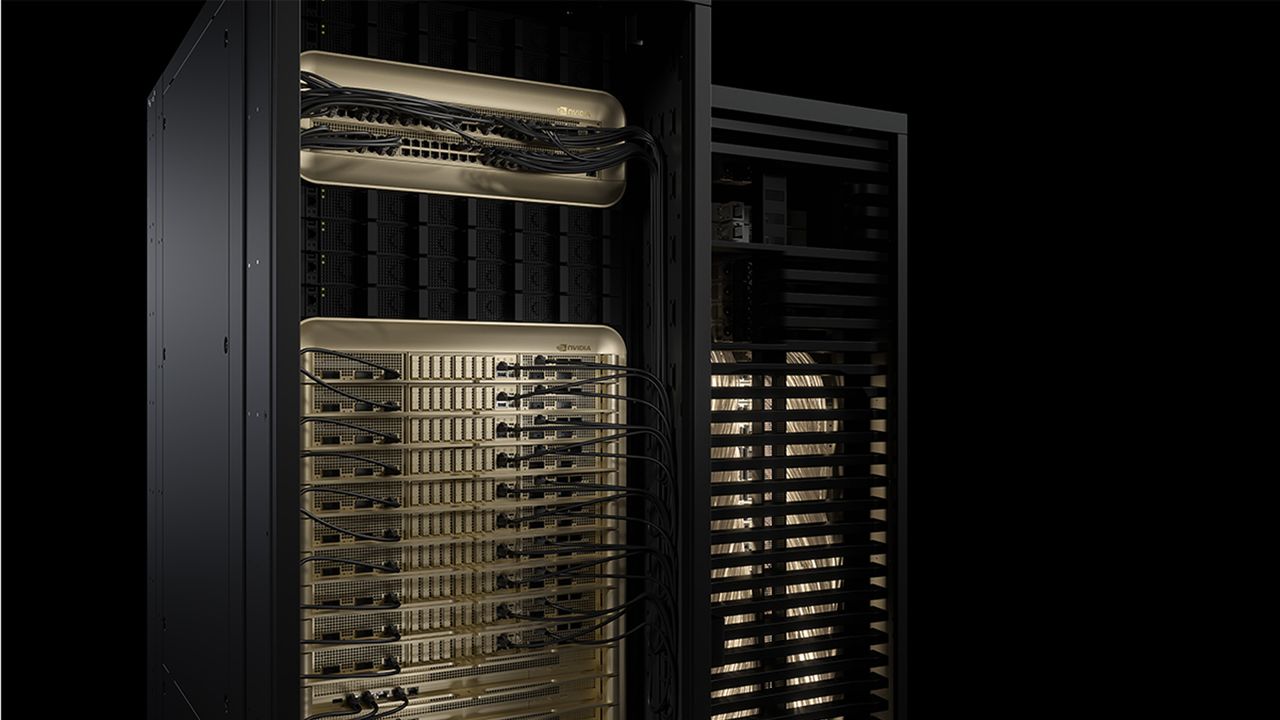
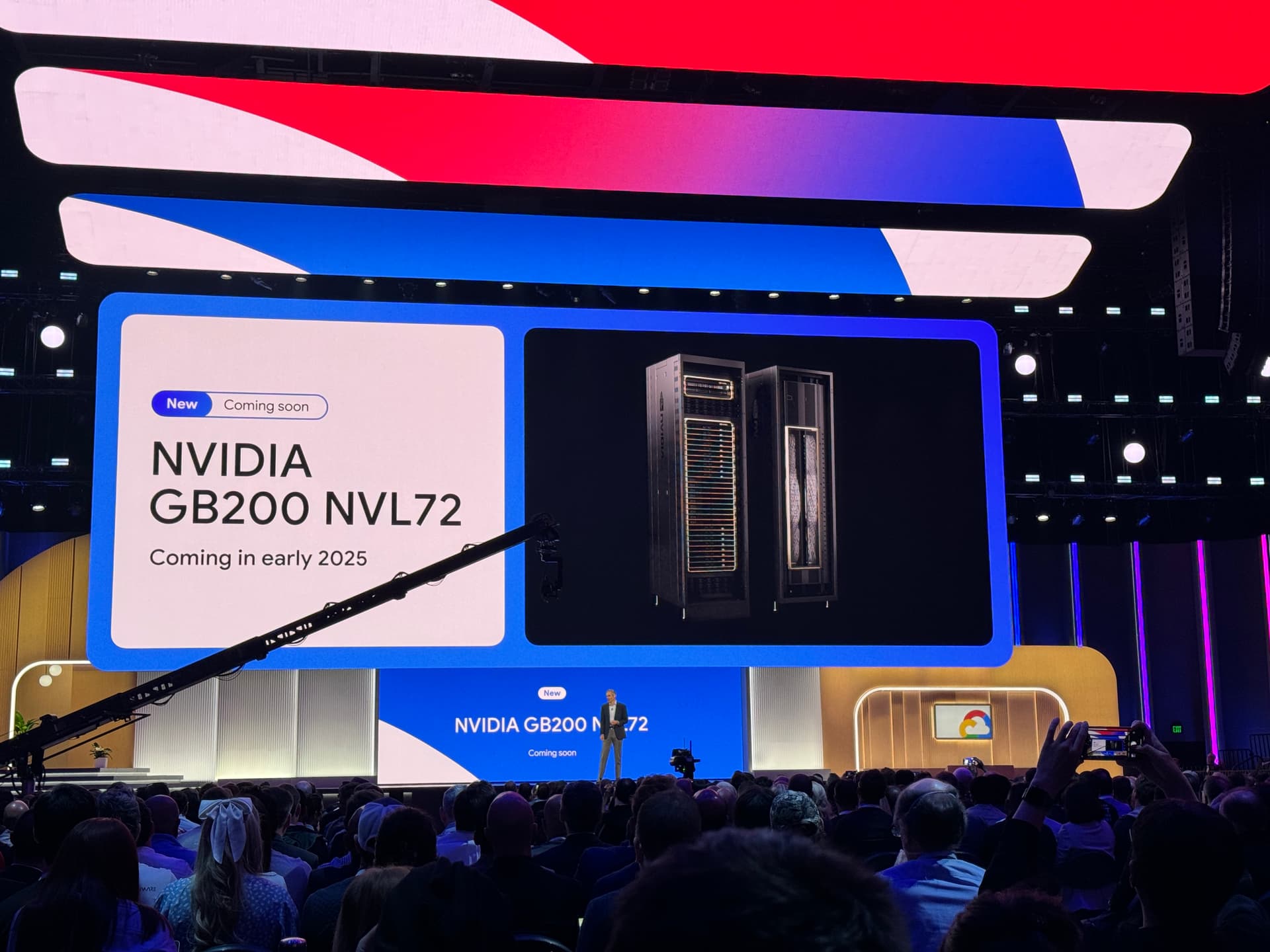
More than 95% of announced Nvidia Grace Blackwell GPU capacity has yet to reach production workloads, according to Air Street Capital's latest State of AI Report Compute Index. The statistic, flagged by investor Jesse Felder on Bluesky, tracks major AI compute deployments worldwide and indicates that the vast majority of Blackwell orders remain paper commitments rather than operational hardware.
Nvidia's Blackwell microarchitecture, powering the B100, B200, and GB200 GPUs, was positioned as the next-generation workhorse for AI training and inference. Yet the Compute Index reveals a deployment rate below 5% of announced capacity. This gap mirrors patterns seen in prior GPU cycles, where lead times and data-center build-out lags create months-long delays between order announcements and actual rack power-on.
The undeployed capacity raises questions about demand absorption. In recent weeks, Nvidia has been renting back GPU capacity from neoclouds amid softening demand signals, and its next-gen AI rack system faced delays into 2028. Whether the Blackwell backlog reflects genuine infrastructure bottlenecks or cooling AI training demand remains an open debate.
The deployment gap

Air Street Capital's Compute Index aggregates publicly announced compute deployments from hyperscalers, neoclouds, and enterprise buyers. The 95% figure captures all Blackwell-family chips — including the B200 and GB200 — that have been ordered but not yet installed or running production workloads. The index does not disclose absolute unit numbers, but given Nvidia's reported Blackwell shipments in the hundreds of thousands, the undeployed pool likely represents a significant capital overhang.
This is not unprecedented. During the H100 ramp in 2023-2024, similar gaps existed between announced purchases and actual deployment, narrowing over 12-18 months as data-center power and cooling came online. However, the Blackwell cycle faces additional headwinds: tighter export controls on advanced chips to China, rising competition from custom ASICs like Google's TPU and Amazon's Trainium, and a cooling venture-capital environment for AI startups that buy compute.
Competitive implications

The deployment gap benefits Nvidia's rivals. Cerebras Systems and AMD have both positioned their hardware as immediately available alternatives. Cerebras recently expanded CS-3 production 7x, and AMD's MI300 series has gained traction among price-sensitive buyers. If the Blackwell backlog persists into late 2026, hyperscalers may shift procurement toward these alternatives to avoid delaying their own AI product timelines.
Nvidia's response has been to accelerate the Vera Rubin platform, with cloud rollout expanding to Europe in H2 2026. But the Rubin rack carries a $7.8 million price tag, raising the stakes for deployment logistics. The Blackwell gap suggests the industry may be over-ordering relative to real infrastructure capacity — a dynamic that could pressure Nvidia's reported revenue growth if cancellations or push-outs materialize.
What to watch
Watch Nvidia's Q3 2026 earnings call for Blackwell revenue recognition and any disclosed deployment percentages. Also monitor hyperscaler capital-expenditure guidance — if Microsoft or Google trim data-center build-out plans, the gap may widen further.
Source: bsky.app
[Updated 10 Jul via trendforce_gn]
Meanwhile, Chinese AI model developers DeepSeek and Zhipu are exploring custom silicon, signaling a strategic shift away from reliance on Nvidia GPUs [per TrendForce]. Chinese firms have reportedly raised their domestic AI chip budget share from 30% to 46%, accelerating a move that could further reduce demand for Blackwell deployments in a key market already constrained by export controls.
[Updated 10 Jul via trendforce_gn]
China is reportedly preparing to allow imports of Nvidia H200 chips to select firms including Alibaba, ByteDance, and DeepSeek, but total approvals may be capped below 200,000 units [per TrendForce]. The H200, a less advanced Hopper-generation chip, would partially address Chinese AI demand without easing Blackwell restrictions. This limited carve-out could reduce some pressure on Nvidia's China revenue while keeping Blackwell deployment rates low in the region.