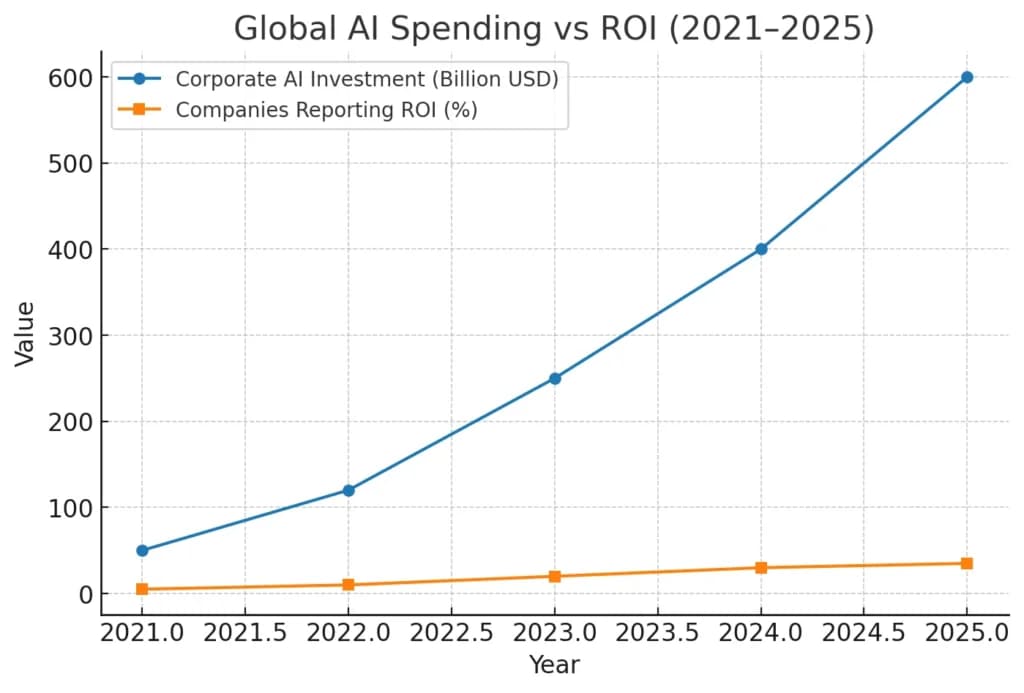
96% of retail executives report no ROI from AI investments, per a new Eversheds Sutherland and Retail Economics study. Arvato VP Dietmar Guhe argues the root cause is fragmented point solutions, not lack of ambition.
Key facts
- 96% of retail executives report no AI ROI
- 90% of UK retail decision-makers explore AI agents
- 1/3 are implementing AI agents in chatbots/forecasting
- Billions invested despite zero reported returns
- Vendor-agnostic production AI urged to fix fragmentation
Ninety percent of UK retail decision-makers are exploring AI agents, and a third are implementing them across chatbots, forecasting and personalization According to The missing link in retail AI ROI: Connected process chains. Yet despite billions invested, 96% of executives report no ROI. The gap, Guhe writes, is not ambition but application: most AI deployments remain point solutions that optimize single tasks while leaving processes fragmented and manually coordinated.
Key Takeaways
- 96% of retail execs report no AI ROI despite billions spent.
- Arvato VP argues fragmented point solutions are the cause, urging production AI process chains.
Production AI as the missing glue
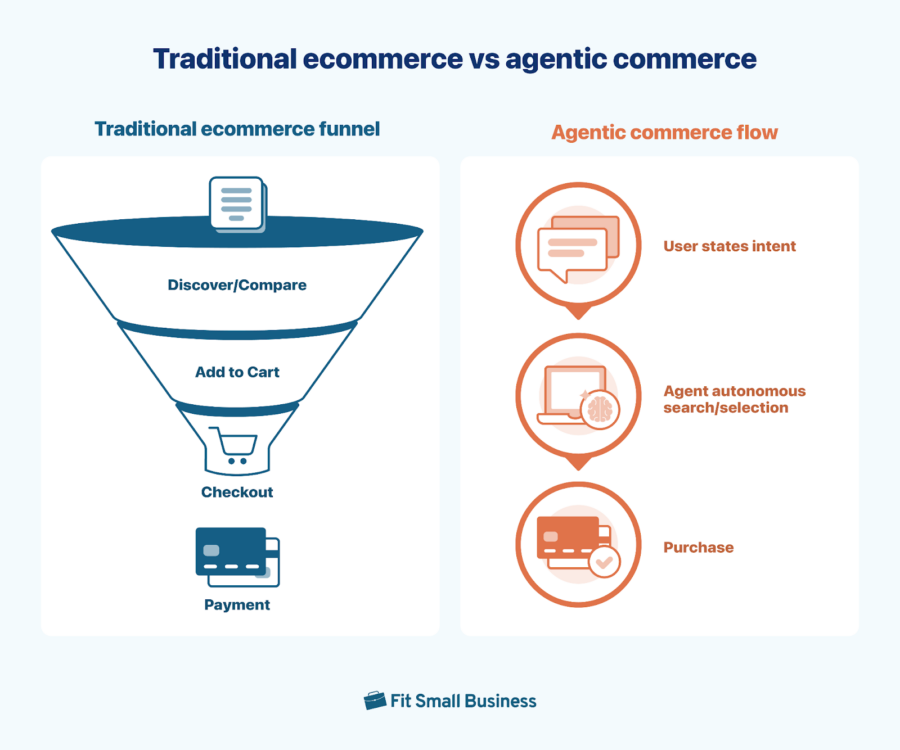
The solution Guhe advocates is "production AI" — systems deployed at scale that act as the glue across process chains. For example, a beauty company launching a limited-edition SPF set can use AI to oversee its full supply chain: if an ingredient or shipment is delayed, AI can advise how to reroute stock, update promotions, and reschedule staff. This echoes the broader shift toward AI agents, which appeared in four articles on gentic.news this week alone, including Visa's ChatGPT integration for agent retail purchasing and a study finding 74% of consumers ready to delegate shopping to agents.
A key principle is vendor agnosticism: automation from different manufacturers must collaborate with each other and human workers, avoiding lock-in to proprietary tech stacks. Guhe also flags that high-quality, labelled operational data often falls short, and suggests synthetic data as a path to fill gaps — a technique that connects to retrieval-augmented generation (RAG) systems like Gemini Embedding 2, which use synthetic data to improve retrieval accuracy.
The contrast with the 96% failure rate is sharp: while 90% of retailers explore agents, most stop at customer-facing chatbots and recommendations, leaving supply chain, warehousing and fulfillment untouched. The ROI promise, Guhe implies, lies not in isolated AI features but in end-to-end orchestration across the entire retail operation.
What to watch
Watch for Arvato's own deployment metrics: if Guhe's production AI framework yields measurable ROI (e.g., 10%+ throughput gains or 20%+ cost reduction) in a public case study by Q4 2026, the argument will gain real traction. Also track whether retailers like Target or Walmart publicly adopt vendor-agnostic process chains.

Source: retailcustomerexperience.com