Key Takeaways
- AGCO scaled employee-built AI agents using Microsoft Copilot Studio, growing from 3 agents to 500+ use cases.
- This shows how low-code tools can democratize AI in enterprise settings.
What Happened
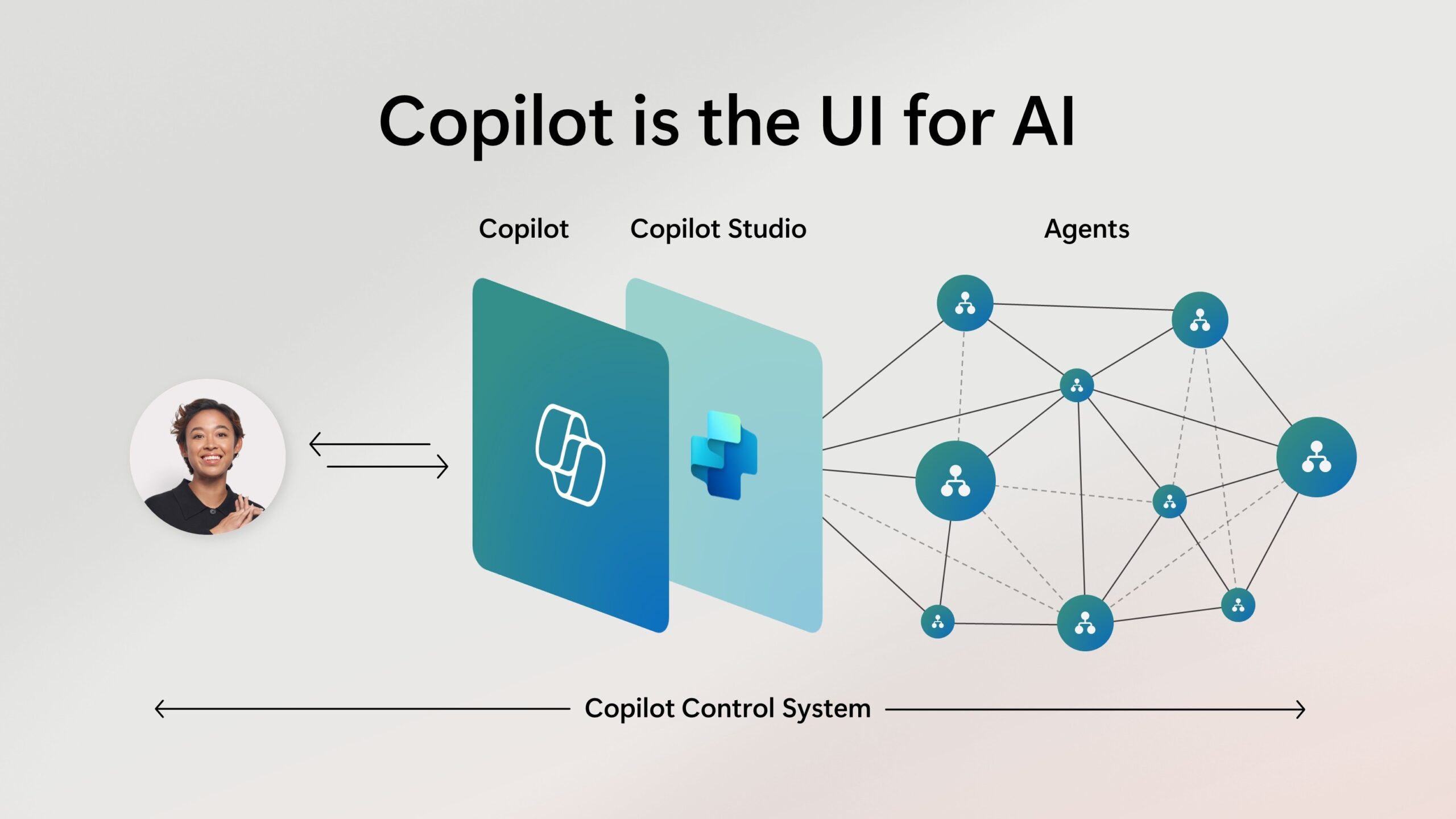
AGCO, a global leader in agricultural equipment manufacturing, has successfully scaled employee-built AI agents using Microsoft Copilot Studio. The company started with just 3 pilot agents and expanded to over 500 use cases across departments including HR, IT, and customer service. This initiative allowed non-technical employees to create AI agents using natural language prompts, significantly reducing the IT department's backlog of automation requests.
Technical Details
Microsoft Copilot Studio provides a low-code environment where employees can build AI agents by describing the task in plain language. The platform integrates with Microsoft 365 and other enterprise systems, enabling agents to access data, perform actions, and trigger workflows. AGCO's agents handle tasks such as answering employee FAQs, processing IT support tickets, and managing customer inquiries. The platform uses a combination of large language models and pre-built connectors to ensure accuracy and security.
Retail & Luxury Implications
While AGCO operates in agriculture, the approach has direct parallels for retail and luxury companies. Retailers face similar challenges: high volumes of repetitive inquiries, fragmented data across systems, and IT departments stretched thin. A luxury brand could, for example, empower store associates to build agents that answer product availability questions, process returns, or schedule appointments—all without waiting for a central IT development cycle. The key insight is that the hardest part isn't the technology but the organizational shift toward citizen development. Retailers would need to invest in governance frameworks to ensure agents adhere to brand guidelines, data privacy rules, and compliance standards.
Business Impact
AGCO reported that the employee-built agents reduced IT ticket resolution times by up to 40% and freed up developers to focus on more strategic projects. For retailers, similar efficiency gains could translate into faster customer service, lower operational costs, and improved employee satisfaction. A pilot with 10-20 agents in a single department (e.g., customer service) could provide a proof of concept within weeks.
Implementation Approach
Retailers looking to replicate AGCO's success should start with a small, well-defined use case—such as automating answers to common store policy questions. The implementation requires:
- A Microsoft 365 or Azure subscription with Copilot Studio access
- A governance team to define guardrails for agent creation
- Training for employees on how to describe tasks in natural language
- A feedback loop to monitor agent performance and refine prompts
Governance & Risk Assessment
This approach carries risks: employees may inadvertently create agents that expose sensitive data or violate compliance rules. AGCO addressed this by implementing role-based access controls and requiring all agents to pass a review before deployment. Retailers dealing with customer PII or proprietary product information must enforce similar safeguards. The maturity of this technology is production-ready for customer service and internal operations, but it remains experimental for high-stakes applications like pricing or inventory management.
gentic.news Analysis
AGCO's case is a powerful example of how low-code AI platforms can democratize automation. For retail and luxury brands, the lesson is clear: the barrier to AI adoption is no longer technical skill but organizational willingness to trust employees with AI creation. The competitive advantage will go to brands that invest in governance frameworks early, rather than trying to control every agent from a central team. The next frontier will be integrating these agents with real-time data from point-of-sale systems and inventory management—something Copilot Studio can already do via its connectors. Retailers should start small, but start now.
Source: news.google.com