Key Takeaways
- Multiple industry reports from Deloitte, Bain, and retail publications highlight the shift toward 'agentic AI' in commerce—systems that autonomously execute complex shopping tasks.
- This evolution promises to redefine the online basket and checkout experience, with Asia Pacific flagged as a key growth region.
The Innovation — What the Source Reports

A significant cluster of industry analysis, including reports from Deloitte, Bain & Company, and coverage in WWD and Retail TouchPoints, points to the accelerating adoption of "agentic AI" within retail and luxury commerce. Unlike the first wave of AI—focused on chatbots and recommendation engines—agentic AI refers to systems capable of autonomous, goal-oriented action. These agents can plan, execute, and adapt a sequence of tasks with minimal human intervention.
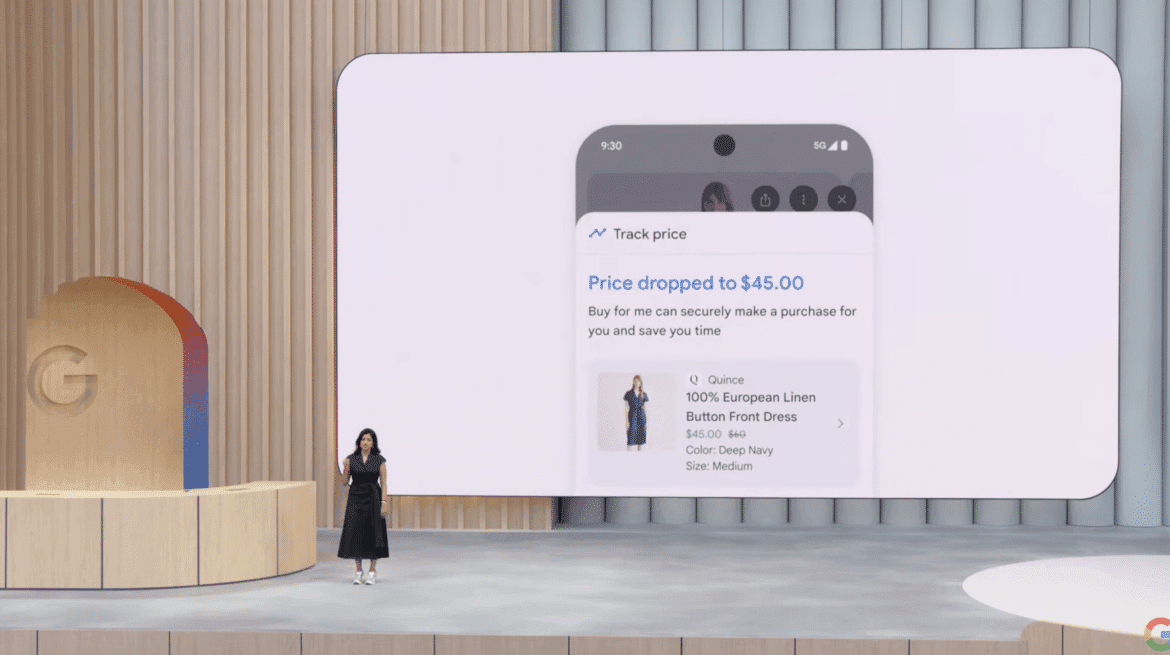
The core narrative is that the fundamental unit of online commerce—the shopping basket—is poised for transformation. The future envisioned is one where an AI agent doesn't just suggest a product but can autonomously: research products across sites to find the best match for a complex need, manage subscriptions, apply personalized promotions, handle returns, and complete checkout—essentially acting as a personal shopping concierge embedded in the digital experience. This is the "agentic AI checkout."
Why This Matters for Retail & Luxury
For luxury and high-end retail, where service, personalization, and complexity are paramount, agentic AI presents both a profound opportunity and a strategic imperative.
1. The Ultra-Personalized Concierge: An agentic system could manage a client's entire relationship with a brand. Imagine an AI that knows a VIP client's size, style preferences, upcoming events from their calendar, and sustainability values. It could proactively assemble a curated selection, secure limited-edition releases, arrange alterations, and schedule in-store appointments or home deliveries—all autonomously initiated after a high-level client request.
2. Complex Journey Management: Luxury purchases often involve cross-category bundling (e.g., an outfit with accessories, fragrance, and skincare), gift-giving with specific wrapping, and international shipping. An agentic AI can navigate these multi-step, multi-system processes far more efficiently than a human customer or a simple chatbot, reducing friction and cart abandonment.
3. Trust as the Ultimate Currency: As noted in the WWD article, "Bridging the Gap Between Innovation and Consumer Trust," this is the central challenge. For luxury clients to delegate shopping tasks to an AI, the system must demonstrate impeccable taste, flawless reliability, and absolute discretion with data. Trust is the non-negotiable foundation upon which agentic commerce in luxury will be built—or will fail.
Business Impact
The Deloitte report specifically highlights the Asia Pacific (APAC) region as poised to drive two-thirds of global retail growth in this arena. This aligns with the region's rapid adoption of super-apps, digital wallets, and a consumer base comfortable with delegated commerce. For global luxury houses, a sophisticated agentic AI strategy tailored for APAC consumers may become a critical competitive lever.
The business impact is multifaceted:
- Conversion Rate & AOV: By reducing friction in complex purchases, agentic AI can directly boost conversion and average order value.
- Client Retention: By providing a uniquely seamless and valuable service, it deepens client loyalty and lifetime value.
- Operational Efficiency: It can automate high-touch, low-value tasks for human client advisors, allowing them to focus on deep relationship building and strategic selling.
Implementation Approach

Implementing agentic AI is not a plug-and-play upgrade. It requires a foundational stack:
- Robust Data Fabric: A unified, real-time view of inventory, customer profile, CRM history, and order management systems is non-negotiable. The AI agent must act on accurate, holistic data.
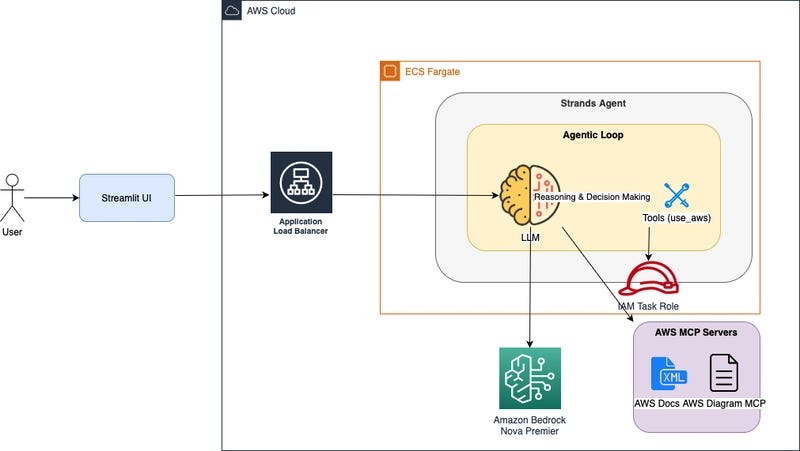
- Advanced Orchestration Layer: This is the "brain" that uses LLMs for reasoning and planning, but connects to specialized tools (APIs for inventory checks, payment processing, logistics) to execute actions. Frameworks like LangChain or Microsoft's AutoGen are early enablers.
- Guardrails & Governance: Systems must be built with hard-coded rules to prevent brand-damaging actions (e.g., applying an inappropriate discount to a haute couture item) and ensure compliance with regional data and consumer laws.
Initial forays will likely be in controlled environments: VIP client programs, dedicated apps, or for managing recurring purchases like beauty replenishments.
Governance & Risk Assessment
The risks are significant and must be proactively managed:
- Brand Dilution: An AI that makes a tasteless product recommendation or misapplies a brand voice can cause reputational harm. Continuous monitoring and a "human-in-the-loop" override for high-stakes interactions are essential.
- Data Privacy & Security: These systems require deep data access. Encryption, strict access controls, and transparent data usage policies are critical, especially under regulations like GDPR.
- Bias & Exclusion: If training data or interaction histories are limited, the AI could fail to serve diverse client segments effectively, perpetuating bias.
- Technical Maturity: The field is nascent. Hallucinations, reasoning errors, and unreliable tool use are current limitations of the underlying LLM technology. Pilots must have narrow scopes and clear failure protocols.
gentic.news Analysis
This cluster of reports is not an isolated event but a clear signal of a maturing trend. The conversation is shifting from if agentic AI will impact commerce to how and where it will gain traction first. The consistent highlighting of APAC as a primary growth engine aligns with our broader coverage of digital innovation in luxury, where players like Alibaba's Tmall Luxury Pavilion and SEA's luxury platforms have been early adopters of immersive and AI-driven commerce tools.
The emphasis from Bain & Company on "next-gen AI in retail marketing" and Deloitte's focused report indicates that major strategy consultants are now actively shaping boardroom conversations around this technology. This follows a pattern we've observed where generative AI moves from experimental tech discussions to core strategic planning within 18-24 months.
For luxury executives, the key takeaway is that agentic AI represents the next logical step in digital clienteling. The competitive advantage will go to brands that start building the necessary data and integration foundations now, while simultaneously solving the paramount challenge of engineering trust into autonomous systems. The brands that succeed will not just be selling products; they will be providing a reliably intelligent, agent-driven service layer that becomes indispensable to their clients' lives.