Key Takeaways
- Three industry reports highlight the growing adoption of 'agentic AI' in retail.
- The technology is being used to streamline private label product development and create highly personalized customer loyalty experiences, moving beyond simple chatbots to autonomous workflow orchestration.
The Innovation — What the Source Reports
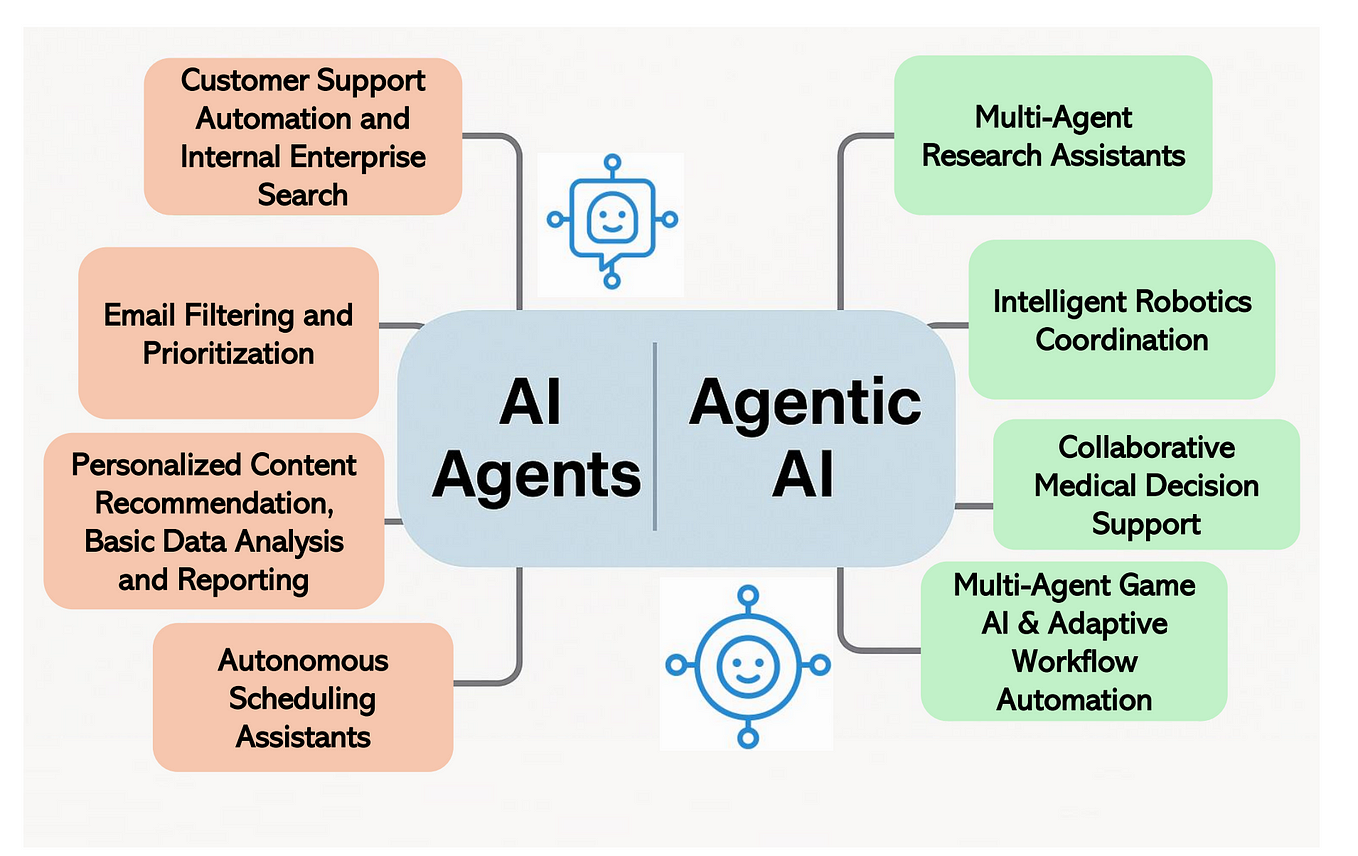
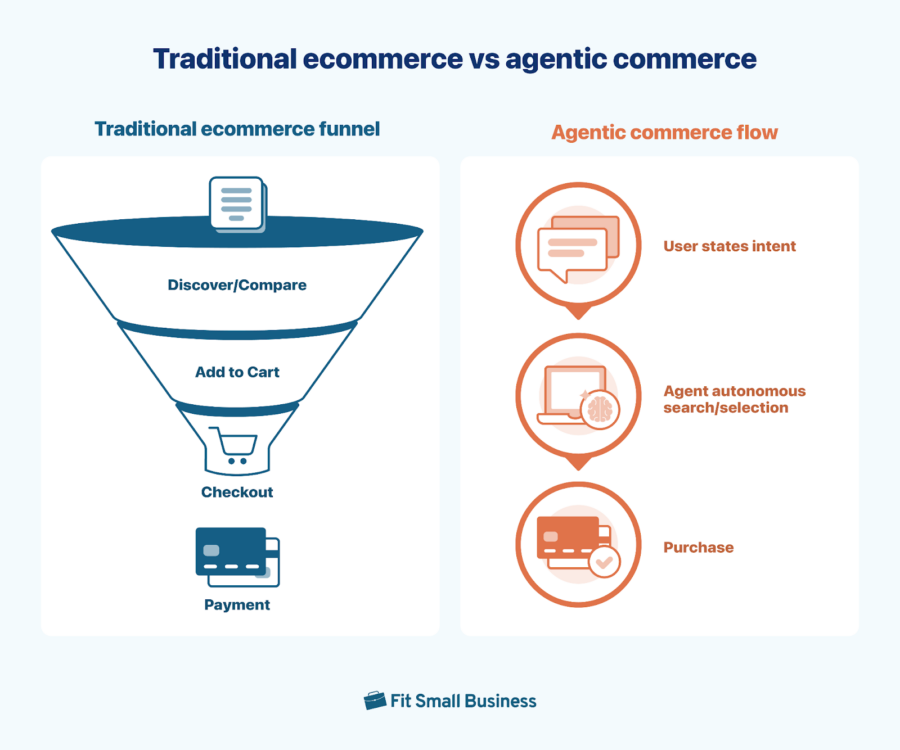
A cluster of recent industry coverage points to a significant, concrete shift in how retailers are applying artificial intelligence. The narrative is moving beyond predictive analytics and chatbots toward agentic AI—systems capable of planning, executing, and adapting multi-step workflows with minimal human intervention.
Three key developments are highlighted:
End-to-End Private Brand Merchandising: A report from Store Brands details how agentic AI is accelerating the entire private label product lifecycle. This isn't just about forecasting demand for an existing SKU. The technology is being applied to automate tasks from initial trend analysis and product ideation, through design and material sourcing, to pricing, promotion planning, and inventory allocation. It represents a move to treat the private label portfolio as a dynamic, data-driven creation process.
Hyper-Personalized Loyalty Schemes: CX Today reports that major U.K. retailers like Marks & Spencer, Tesco, and Boots are driving an "AI era" in retail loyalty. Their programs are evolving from static point-collection systems into dynamic, hyper-personalized engagement engines. Agentic AI analyzes individual customer data in real-time to generate unique, context-aware rewards, offers, and communications, aiming to maximize lifetime value.
The Agentic Commerce Paradox: Retail TouchPoints frames the current moment as a paradox: agentic commerce is "already here, and it’s also still evolving." The article suggests that while foundational agentic capabilities are being deployed in silos (like merchandising or CRM), the vision of a fully autonomous, self-optimizing retail enterprise remains a work in progress. The industry is in an implementation phase, grappling with integration and scale.
Why This Matters for Retail & Luxury
For luxury and premium retail, the implications are profound and twofold:
- For Private Label & Exclusive Collections: Luxury houses often create diffusion lines, capsule collections, or exclusive products for specific channels. Agentic AI can transform this process from an artisanal, lengthy endeavor into a rapid, insight-driven capability. Imagine a system that analyzes real-time social sentiment around emerging luxury materials (e.g., a new sustainable leather alternative), cross-references it with internal sales data of similar silhouettes, and proposes a limited-edition bag line with suggested pricing and target production volume—all before a human designer sketches the first line.
- For Clienteling & Exclusive Loyalty: The hyper-personalization seen in mass-market loyalty is the baseline expectation for luxury clienteling. Agentic AI can power the ultimate VIP experience: an AI "concierge" that knows a client's purchase history, upcoming travel (from calendar integration), and style preferences, and proactively arranges for a new season's collection to be presented in their hotel suite or suggests a rare vintage piece that just arrived at a flagship store. It moves personalization from reactive to anticipatory.
Business Impact
The business impact is operational efficiency and elevated customer value. In private label, agentic AI promises to compress development cycles, reduce market-testing risk, and improve margin control by optimizing cost and price simultaneously. For loyalty, the impact is measured in increased customer retention, higher average order value, and deeper emotional engagement.
For luxury brands, the latter is paramount. The technology enables scaling the bespoke, one-to-one relationship—the core of luxury service—beyond the capacity of any human sales team.
Implementation Approach
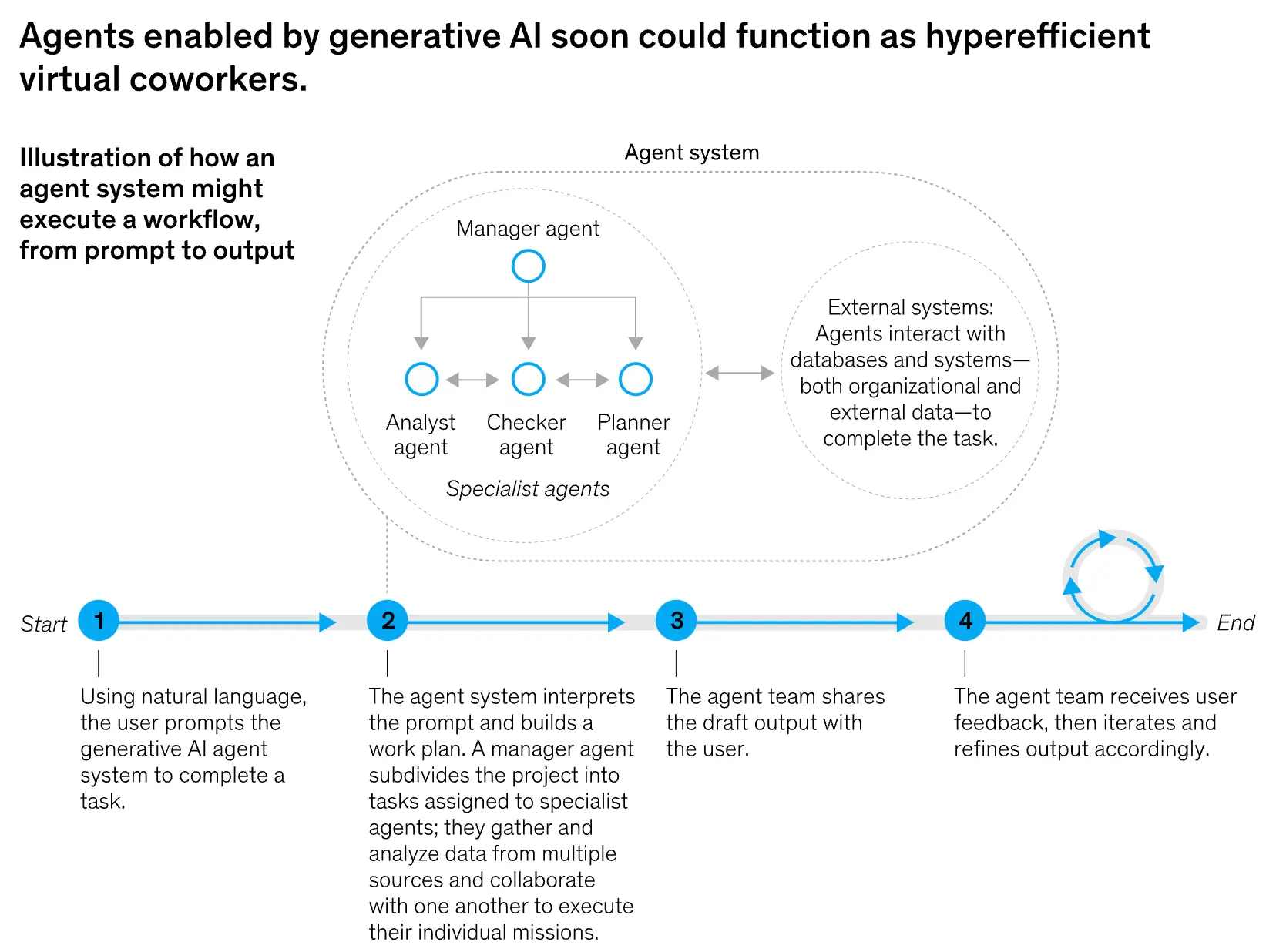
Implementing agentic AI is not a plug-and-play solution. It requires:
- A Robust Data Foundation: High-quality, unified data across product, supply chain, and customer touchpoints is non-negotiable.
- Modular AI Architecture: The "agents" are typically a suite of specialized models (for trend forecasting, design generation, copywriting, pricing optimization) orchestrated by a central planning engine (often an LLM).
- Human-in-the-Loop (HITL) Governance: Especially in luxury, final creative and strategic decisions must remain with human experts. The system should augment, not replace, the creative director or senior merchant. Workflows need clear approval gates.
- Integration with Legacy Systems: Connecting these AI agents to existing PLM (Product Lifecycle Management), ERP, and CRM systems is the major technical hurdle.
Governance & Risk Assessment
Key risks must be managed:
- Brand Dilution: An AI-driven process could lead to homogenized designs if not carefully constrained by a strong, immutable brand creative code.
- Data Privacy: Hyper-personalization at this scale requires handling immense amounts of personal data. Compliance with global regulations (GDPR, CCPA) and earning client trust is critical.
- Over-Automation: The luxury experience is built on human connection, surprise, and discernment. The risk is creating a cold, overly efficient interaction that feels transactional.
- Explainability: Merchants and brand executives need to understand why an AI agent is recommending a specific product or price. "Black box" systems will struggle to gain trust for high-stakes decisions.
gentic.news Analysis
This cluster of reports validates a trend we've been tracking: the maturation of AI in retail from analytical tools to autonomous operational agents. The activity from major players like Tesco and M&S is particularly telling; their investments signal that agentic AI is moving past the pilot phase into core business functions.
The focus on private label is strategically acute. In an era of margin pressure, private label offers higher profitability than national brands. Using AI to optimize this high-margin segment is a direct play to improve financial resilience. For luxury, the parallel is not low-cost private label but the rapid, profitable creation of exclusive capsules and collections that drive buzz and sales.
The mention of Boots in the loyalty context connects to the broader industry push to monetize customer relationships through data. This aligns with our previous coverage on retail media networks, where first-party data is leveraged for targeted advertising. Agentic AI for loyalty is the complementary, customer-facing side of that same data asset.
The "paradox" identified by Retail TouchPoints is the crucial takeaway for technical leaders. The technology is demonstrably viable in specific domains (as shown by these reports), but the journey to a fully agentic enterprise is incremental. The strategic imperative is to identify high-value, contained workflows—like seasonal collection development or VIP outreach programs—where agentic AI can deliver a clear ROI, and use those successes to fund and learn towards broader integration.