What Happened: A Primer on Enterprise AI Agent Architectures
The source material is a technical guide and commentary on the evolution of AI agents from simple, reactive systems to complex, multi-agent ecosystems designed for enterprise production. It frames AI agents as the current frontier for the "modern enterprise," moving beyond the first wave of generative AI tools (like email writers) toward "AI that works."
The core argument is that these agents are autonomous entities that don't just process language but execute tasks. They understand business workflows, interact with software, and make decisions to achieve a goal with minimal human guidance. This represents a fundamental shift from brittle, rule-based automation to flexible, reasoning-powered systems that use Large Language Models (LLMs) as their "brain."
The guide outlines the enterprise motivation for this shift: handling complexity, achieving scalability, and improving cost efficiency by automating cognitive chores. It introduces the concept of multi-agent systems, where specialized agents (e.g., Security, Data, Compliance) collaborate using standardized communication protocols to handle end-to-end processes.
Technical Details: The Building Blocks of Agentic Systems
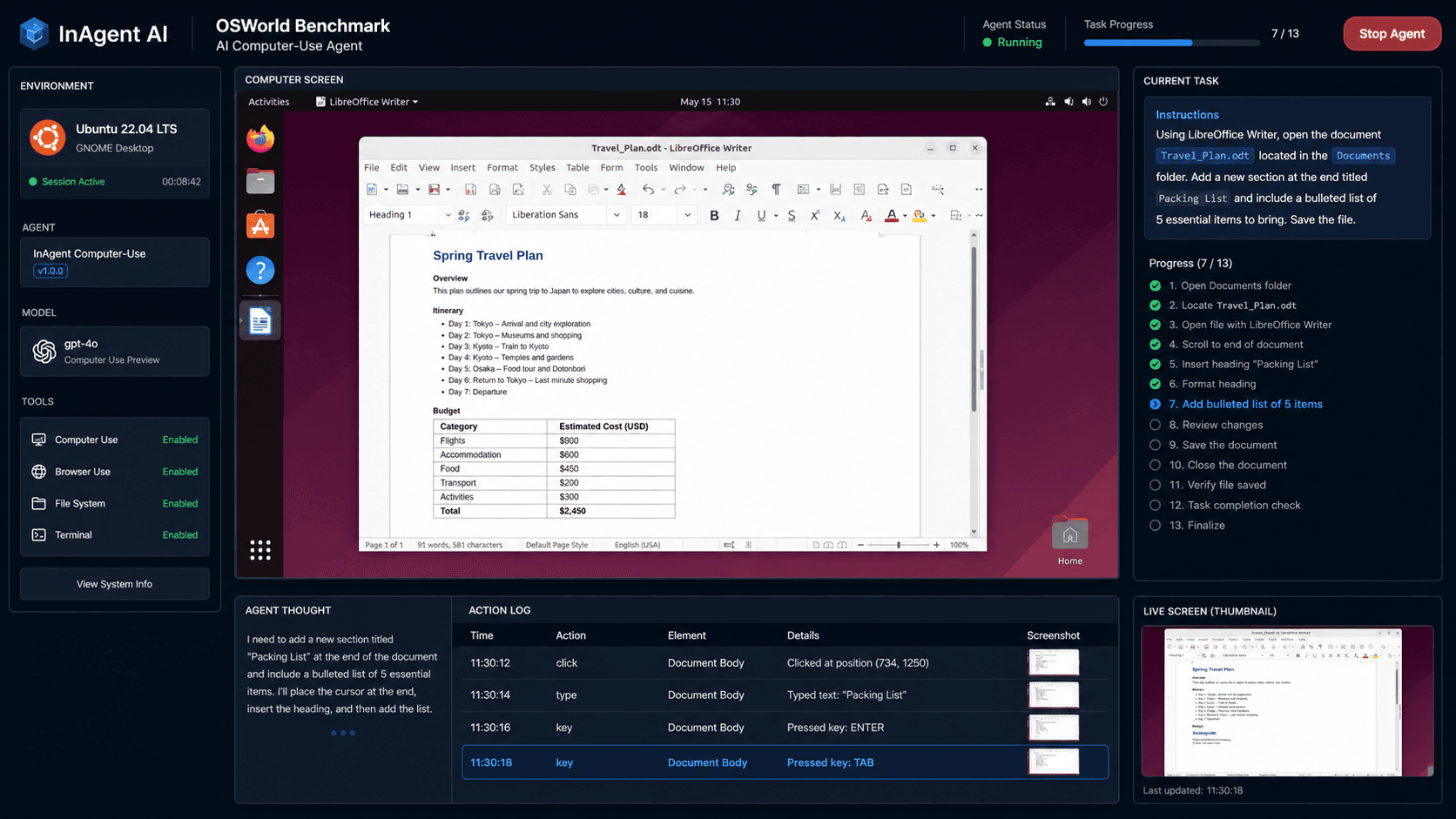
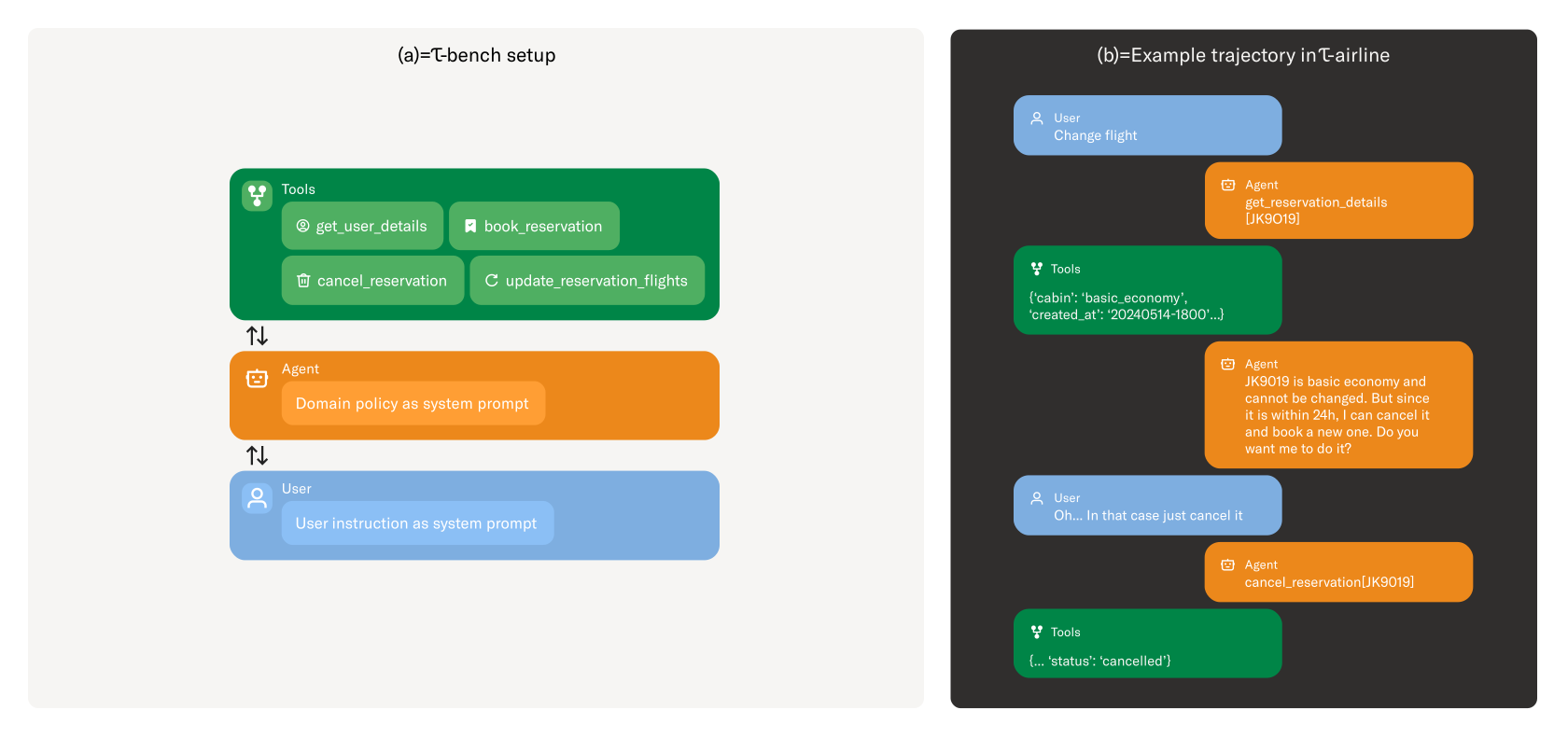
The source distinguishes AI agents by their degree of agency. Unlike a script, an intelligent agent is proactive. It perceives its environment, plans actions, and uses tools (like APIs to other software) to execute them. This is enabled by the reasoning and context-understanding capabilities of modern LLMs.
The architecture discussion implies a move from monolithic agents to multi-agent systems (MAS). In an MAS, the workload is distributed among specialized agents that communicate and coordinate. This is crucial for handling complex, multi-step business processes that span different domains and software systems. The mention of "standardised protocols for agent-to-agent communication" hints at frameworks or patterns like hierarchical control, peer-to-peer negotiation, or blackboard systems, which are essential for building scalable, resilient agent ecosystems.
This architectural approach aims to build the "connective tissue" across a company, creating the foundation for what the source calls the "Autonomous Enterprise."
Retail & Luxury Implications: The Path to an Autonomous House
For luxury and retail leaders, this technical primer is not about a specific product launch but about a foundational shift in how automation can be conceived and built. The implications are strategic and architectural.
1. Beyond Chatbots: From Customer Service to Operational Backbone.
The conversational AI powering clienteling apps today is often a reactive chatbot. The agent paradigm suggests these systems could evolve into proactive Personal Stylist Agents. This agent wouldn't just answer questions; it would monitor a client's purchase history, upcoming events (with permission), new inventory arrivals, and sustainability preferences to autonomously curate and propose a complete look, initiating the pre-order process. Similarly, a VIP Relationship Agent could autonomously manage the entire gifting and outreach calendar for top clients, coordinating with CRM, inventory, and logistics systems.
2. Multi-Agent Ecosystems for Complex Value Chains.
Luxury operations are defined by complexity: integrating creative design, meticulous craftsmanship, global logistics, ethical sourcing, and exclusive client experiences. A multi-agent system is a compelling architectural model for this.
- Design & Prototyping Agent: Analyzes trend data, historical sales, and material availability to generate initial design concepts and technical packs.
- Supply Chain Orchestrator Agent: Monitors raw material suppliers (e.g., specific leather tanneries, silk weavers) for delays, quality reports, and compliance certificates, negotiating logistics in real-time.
- Inventory & Allocation Agent: Dynamically balances stock across flagship boutiques, department store concessions, and e-commerce fulfillment centers based on real-time sales data, local events, and weather patterns.
- Counterfeit Surveillance Agent: Continuously scans digital marketplaces and social media for counterfeit goods, gathering evidence and autonomously filing standardized takedown requests.
These specialized agents would communicate through defined protocols, allowing the entire system to adapt to disruptions—like a material shortage or a sudden demand spike in a region—more fluidly than any monolithic software or human team could.
3. Redefining Operational Scalability.
The source highlights scalability as a key driver. For a luxury group launching a new brand or entering a new market, the cost and time of scaling expert human teams (in merchandising, planning, client relations) are immense. An established multi-agent ecosystem could be replicated and tailored, providing an immediate, 24/7 operational backbone. This allows business growth to be decoupled from the linear scaling of human resources for routine cognitive tasks.
4. The High-Stakes Governance Imperative.
For luxury brands, autonomy cannot come at the cost of brand erosion. An agent making poor styling recommendations, misallocating limited-edition items, or sending tone-deaf communications to a VIP is a direct threat to brand equity. Therefore, the governance, oversight, and evaluation layers for these systems are as critical as the agents themselves. Implementing robust "guardrail" agents for compliance, brand voice, and creative approval is non-negotiable. The move to agents intensifies the need for AI governance frameworks that ensure alignment with brand values, exclusivity, and impeccable quality.