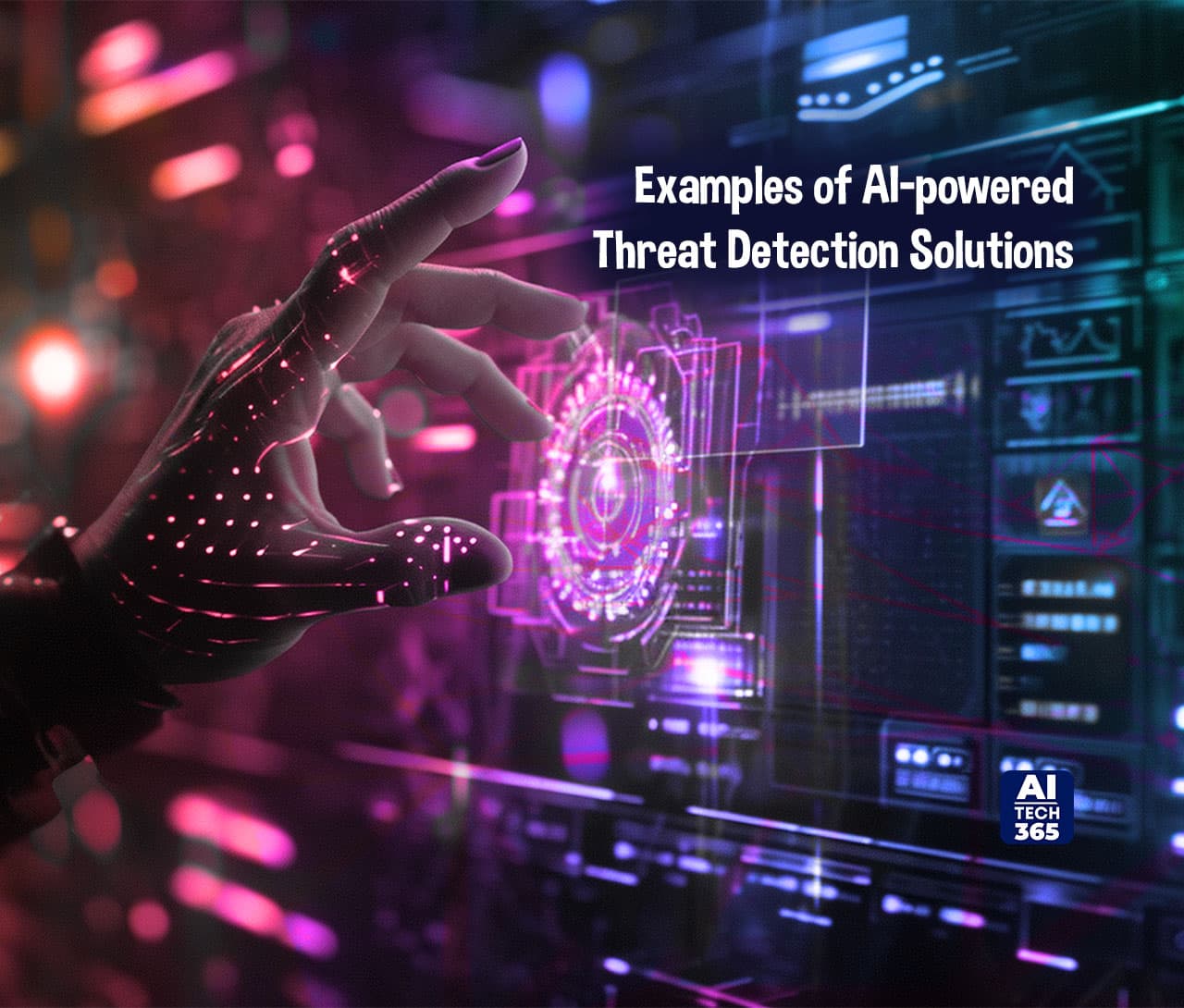
Security expert Guri Singh's stark warning—"Your passwords are leaked right now. You just don't know it yet."—highlights a pervasive digital threat. The critical response, however, is increasingly powered not by manual vigilance but by artificial intelligence. AI and machine learning models are now fundamental to the proactive systems that scan data dumps, dark web forums, and paste sites to detect compromised credentials in real-time, transforming personal and enterprise cybersecurity from a reactive to a proactive stance.
Key Takeaways
- Security experts are leveraging AI to detect when user passwords appear in data breaches, enabling immediate alerts.
- This shifts the security paradigm from periodic manual checks to continuous, automated monitoring.
What's New: From Manual Checks to Automated Sentinel
The traditional advice for years has been to manually check services like "Have I Been Pwned" after hearing about a major breach. The new paradigm, driven by AI, is continuous, automated monitoring. AI-powered password managers and security platforms now function as persistent sentinels. They don't wait for you to check; they constantly cross-reference hashed versions of your credentials against newly discovered breach corpora using efficient similarity search algorithms and neural hash matching. When a match is found, they trigger an immediate alert, often with a guided remediation workflow—exactly the kind of "10 things to do in the next 10 minutes" action plan Singh advocates.
How the AI Detection Works
At a technical level, these systems rely on several ML techniques:
- Data Aggregation & Parsing: NLP models scrape and parse unstructured data from hacker forums, paste sites, and breach databases, extracting usernames, email addresses, and password hashes.
- Private Set Intersection (PSI) & Fuzzy Hashing: To preserve user privacy, systems often use cryptographic PSI protocols or neural hash functions (like NeuralHash) to compare a locally hashed version of a user's credential against a database of breached hashes without exposing the original credential.
- Risk Scoring Models: Not all leaks are equal. ML models assess the context of a leak—source, recency, associated metadata—to assign a risk score, helping prioritize alerts for credentials that are both compromised and currently active on critical services.
This automation is the only scalable solution to a problem where billions of credentials are already circulating online, with millions more added weekly.
The Competitive Landscape and Integration
This capability is no longer a niche feature. It is a core component of leading password managers (1Password Watchtower, Dashlane Dark Web Monitoring), operating systems (Apple's password monitoring in iCloud Keychain), and browsers (Google's Password Checkup). The technology is also embedded in enterprise identity protection services from vendors like CrowdStrike and Darktrace, which use behavioral AI to link credential leaks to potential intrusion attempts.
Key Differentiators Among Services:
1Password Watchtower Continuous hash matching against aggregated breach data. Deep integration with vault, offering one-click remediation. Have I Been Pwned Massive curated database search via k-Anonymity API. The canonical, free database for developers and services. Google Password Checkup Real-time check during login using federated analytics. Built directly into Chrome and Android for seamless protection. Enterprise IAM Platforms Behavioral analytics linking leaks to active threat campaigns. Focus on business risk and automated policy enforcement (e.g., force password reset).What to Watch: Limitations and Next Frontiers
While powerful, current systems have caveats. They primarily detect credentials already in public or semi-public breaches. They are less effective against credentials stolen by private actors and not yet shared. False positives can occur with common passwords or simple hash collisions. The next frontier is predictive leak analysis, where AI models analyze user behavior patterns, reused password structures, and existing breach data to predict which accounts are at highest risk of future compromise, enabling pre-emptive security actions.
gentic.news Analysis
This evolution in credential monitoring represents a mature application of narrow AI to a well-defined, high-impact problem. It aligns with the broader trend we've covered in enterprise security, where AI is moving from post-breach forensic analysis to real-time prevention and automated response. The technology stack here—combining NLP for dark web scraping, efficient similarity search, and privacy-preserving cryptography—is a practical blueprint for applying AI to other data-sensitive threat intelligence tasks.
This development also creates a new dependency chain. The efficacy of these AI sentinels is directly tied to the quality and breadth of their breach data feeds. This has elevated services like Have I Been Pwned from a helpful tool to critical infrastructure, a trend we noted in our analysis of the cybersecurity data broker ecosystem last year. Furthermore, as these features become standard in consumer platforms, they raise the baseline for personal security, effectively using AI to offset human inertia—the primary vulnerability in password hygiene.
The next logical step, already emerging, is the integration of these leak detectors with AI-powered password generators and managers that not only alert you but also automatically initiate and complete the password reset process for supported sites, closing the loop entirely without human intervention.
Frequently Asked Questions
How do these AI tools find my password without knowing it?
They use privacy-preserving techniques like Private Set Intersection (PSI) or fuzzy hashing. Your device calculates a secure, irreversible hash of your password. This hash (not your password) is then sent to the service to check against a database of hashes from known breaches. If the hashes match, the service knows your credential is compromised without ever knowing the actual password.
Is a built-in browser password manager with leak detection good enough?
For most individuals, yes. Google's Password Checkup in Chrome and Apple's monitoring in Safari/iCloud Keychain provide robust, seamless protection. For users with higher security needs or who manage credentials across multiple browsers/ecosystems, a dedicated password manager like 1Password or Bitwarden offers more advanced features, better cross-platform support, and more detailed breach context.
What should I do immediately after getting a leak alert?
- Change the password for the affected service immediately, using a strong, unique password generated by a password manager.
- Enable two-factor authentication (2FA) on that account if not already active.
- Check for reuse: If you reused that password elsewhere, change it on all those sites as well. This is the most critical step, as credential stuffing attacks rely on reuse.
Can AI prevent my password from being leaked in the first place?
Not directly. AI cannot prevent a poorly secured website from being hacked. However, AI-powered security systems on the enterprise side can help detect and prevent the breaches that lead to leaks. For users, AI can only provide rapid detection and remediation after a leak occurs elsewhere. The best prevention is using unique, strong passwords for every site.