The Innovation — What the source reports
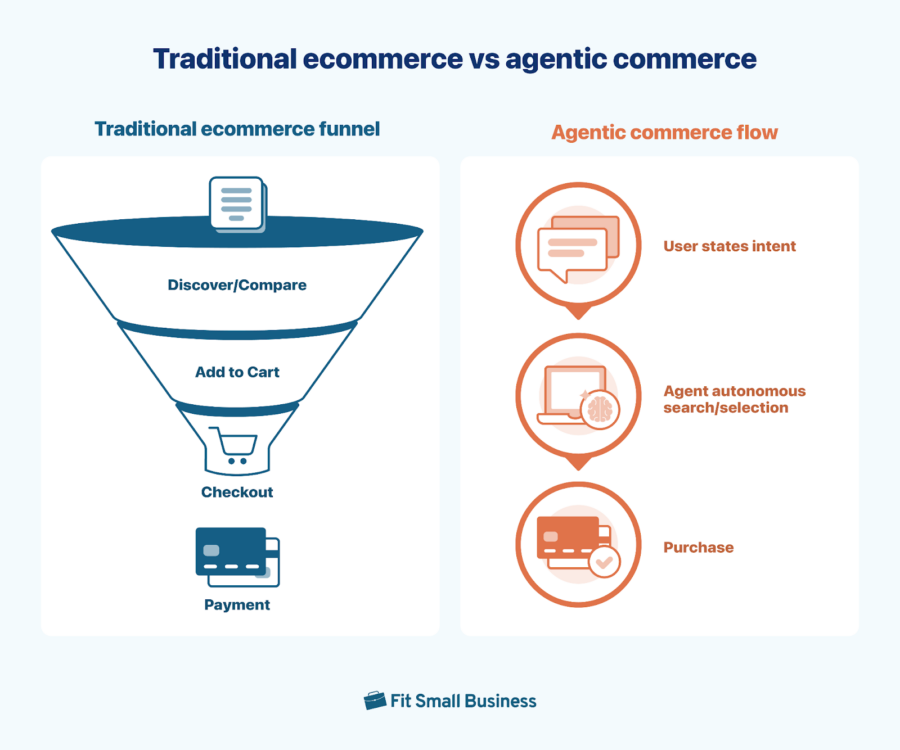
A fundamental shift is occurring in how consumers discover products online. The rise of conversational AI search engines—primarily ChatGPT and Perplexity—is creating a new, influential layer between the customer and the brand. These platforms are not merely returning links; they are synthesizing information, including customer reviews, to generate direct product recommendations and answers.
The core insight from the source material is stark: customer reviews have become a primary input for AI-driven product discovery. When a user asks an AI agent for "the best DTC tile company in California," the model doesn't just crawl a brand's marketing copy. It analyzes and summarizes the corpus of user-generated feedback to formulate its answer. As Eric Edelson, CEO of Fireclay Tile, stated, the impact of reviews on whether his products are recommended is "One million percent." He attributes their appearance in ChatGPT's recommendations directly to their "really in-depth" reviews.
This has triggered a strategic response from brands. Recognizing that AI agents are becoming a trusted source for product research (with ChatGPT alone fielding tens of millions of shopping-related queries in the U.S.), companies are now treating review generation with the same urgency as traditional search engine optimization. Tactics have evolved from passive collection to active solicitation:
- Incentivized Reviews: Brands like dog food company Pawco are offering financial incentives (e.g., $20 off) for customers to leave reviews after repeat purchases.
- Systematic Outreach: Fireclay Tile has become "more deliberate," sending personalized notes to customers requesting feedback.
- Internal Gamification: Some companies are holding employee contests to see which team can generate the most reviews, institutionalizing the effort.
The goal is no longer just to influence potential customers reading reviews on a brand's own site. It is to feed the AI models that are increasingly acting as the primary product research assistant for consumers.
Why This Matters for Retail & Luxury
For luxury and premium retail, this shift is particularly consequential. The discovery journey for high-consideration, high-value items is deeply research-intensive. If AI agents become the go-to source for that research, a brand's visibility in those conversations is paramount.

1. The Nuance of Luxury Reviews is Key.
AI models thrive on detailed, contextual data. A luxury customer's review discussing the "hand-stitching quality," "weight of the silk," or "precision of the movement" in a watch provides far richer signals for an AI than a simple 5-star rating. Brands with a heritage of craftsmanship must ensure their customer feedback captures these nuanced details, as they are the very attributes an AI will use to differentiate a luxury product from a mass-market alternative.
2. The Battle for "Best" and "Top" Queries.
Luxury shopping queries are often framed as searches for "the best," "top-rated," or "most luxurious." These are precisely the types of queries AI search engines are built to answer definitively. A brand's absence from these synthesized answers represents a significant funnel leak. The source shows Fireclay Tile being listed as the "best DTC tile company in California, based on reviews"—a powerful, authoritative endorsement generated by the AI.
3. Counteracting the "Pareto Principle" of AI Training Data.
There is a risk that AI models, trained on vast public data, could develop a bias toward the most reviewed products—often those with the highest volume sales, which may not align with luxury's exclusive positioning. Proactively generating a substantial corpus of high-quality reviews for luxury items ensures these products have a fair and representative voice within the AI's knowledge base.
4. Direct-to-Consumer (DTC) and Brand-Controlled Channels Gain Importance.
Reviews hosted on a brand's own DTC site or authenticated brand marketplaces (like Farfetch or Mytheresa for luxury) are likely viewed as higher-fidelity signals by AI models than anonymous reviews on broad aggregator sites. This elevates the strategic value of owned retail channels.
Business Impact — Quantified if available, honest if not
The immediate business impact is on discovery and top-of-funnel consideration. While the source does not provide a quantified ROI for review-generation campaigns aimed at AI SEO, the logic is clear: if you are not cited by the AI, you are not in the consideration set for a growing segment of shoppers using these tools.
We can extrapolate potential impacts:
- Market Share Shift: Brands that master "AI-review SEO" could capture disproportionate share of AI-driven shopping queries, potentially at the expense of competitors with equal product quality but inferior review strategies.
- Cost of Acquisition (CAC): Being recommended by an AI agent is a powerful, zero-click endorsement that could lower paid marketing CAC over time. The AI's recommendation carries an implied objectivity that paid advertising lacks.
- Brand Equity Reinforcement: Consistent appearance in AI-generated "best of" lists reinforces brand authority and prestige in the digital realm.
The risk of inaction is a gradual erosion of visibility in the most modern discovery channel. As the source notes, with over 84 million shopping-related queries on ChatGPT in the U.S., this is not a niche behavior.
Implementation Approach — Technical requirements, complexity, effort
Implementing a strategy to win in AI-powered discovery requires a cross-functional effort, blending marketing, customer experience, and data strategy.

1. Audit and Amplify Review Signals:
- Inventory Review Sources: Catalog all platforms where your products are reviewed (your site, retailers, Google, niche forums).
- Assess Review Quality: Use sentiment and entity analysis to understand if reviews contain the rich, attribute-specific language that AI models value.
- Structured Data Markup: Ensure review data on your owned properties uses schema.org markup (like
AggregateRatingandReview). This makes it easily parseable by AI web crawlers.
2. Launch a Strategic Review Generation Program:
- Segment Customers: Target post-purchase outreach to customers most likely to provide detailed feedback (e.g., repeat buyers, those who purchased high-consideration items).
- Guide the Feedback: Instead of just asking for a rating, prompt customers to comment on specific attributes ("How would you describe the material's feel?", "What occasion did you wear this for?").
- Incentivize Thoughtfully: Follow Pawco's lead with post-purchase incentives, but ensure compliance with platform guidelines (e.g., prohibiting incentives for positive reviews).
3. Monitor Your AI Search Presence:
- Create a Testing Regime: Regularly query major AI platforms (ChatGPT, Perplexity, Google's Gemini) with key branded and unbranded search terms relevant to your category (e.g., "best leather tote bag for work," "most comfortable luxury sneaker").
- Track Citations: Note when and how your brand is mentioned. Is it recommended? Is a competitor recommended instead? What reasoning does the AI provide?
4. Technical Integration for Scale:
- API-Driven Collection: Integrate review solicitation into your order fulfillment and CRM workflows via APIs from platforms like Yotpo, Okendo, or Stamped.
- Centralize Review Data: Aggregate reviews from all sources into a single data lake. This unified corpus can then be analyzed for trends and also potentially be used to fine-tune your own internal AI models for customer service or product development.
The effort is moderate but ongoing. It is less about complex AI engineering and more about systematic, scaled customer engagement and data hygiene.
Governance & Risk Assessment — Privacy, bias, maturity level
Maturity Level: This trend is in its early growth phase. AI search is rapidly gaining adoption, but its absolute share of total product discovery is still evolving. However, the trajectory is clear, and early movers can establish a lasting advantage. The tactics themselves (soliciting reviews) are mature; the strategic framing (optimizing for AI agents) is novel.
Privacy & Compliance:
- Incentive Transparency: Any program offering discounts or rewards for reviews must be transparent and cannot require a positive review. The incentive must be for the act of reviewing, not the sentiment.
- Data Usage: Collected reviews are user-generated content. Brands must have clear terms of service governing how this content can be used, especially if it is to be aggregated and analyzed.
- Right to Be Forgotten: Brands need processes to handle customer requests to remove their reviews from the brand's site, though this may not remove them from the AI's training data if already ingested.
Bias & Authenticity Risks:
- Astroturfing: An over-aggressive push for reviews can lead to inauthentic, generic feedback that provides little value to AI models or consumers. Quality must be prioritized over sheer quantity.
- Selection Bias: Incentivized reviews may come from a non-representative subset of customers (e.g., only the most satisfied or most discount-driven), potentially skewing the AI's perception of the product.
- Brand Safety: AI models summarizing reviews could inadvertently amplify an isolated negative comment about a sensitive issue. Brands must have robust review moderation in place on their own sites to manage this source data.
The governance challenge is to run an effective program that generates authentic, detailed feedback without compromising ethical standards or regulatory compliance. The prize is a powerful, sustainable presence in the next era of product discovery.