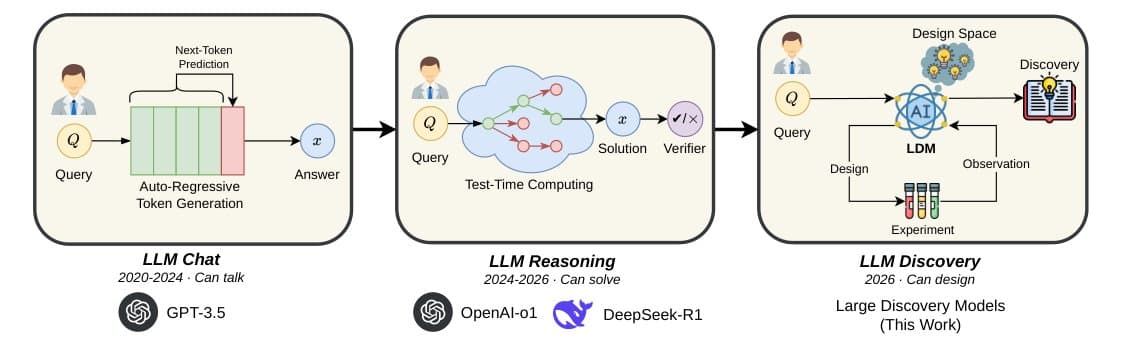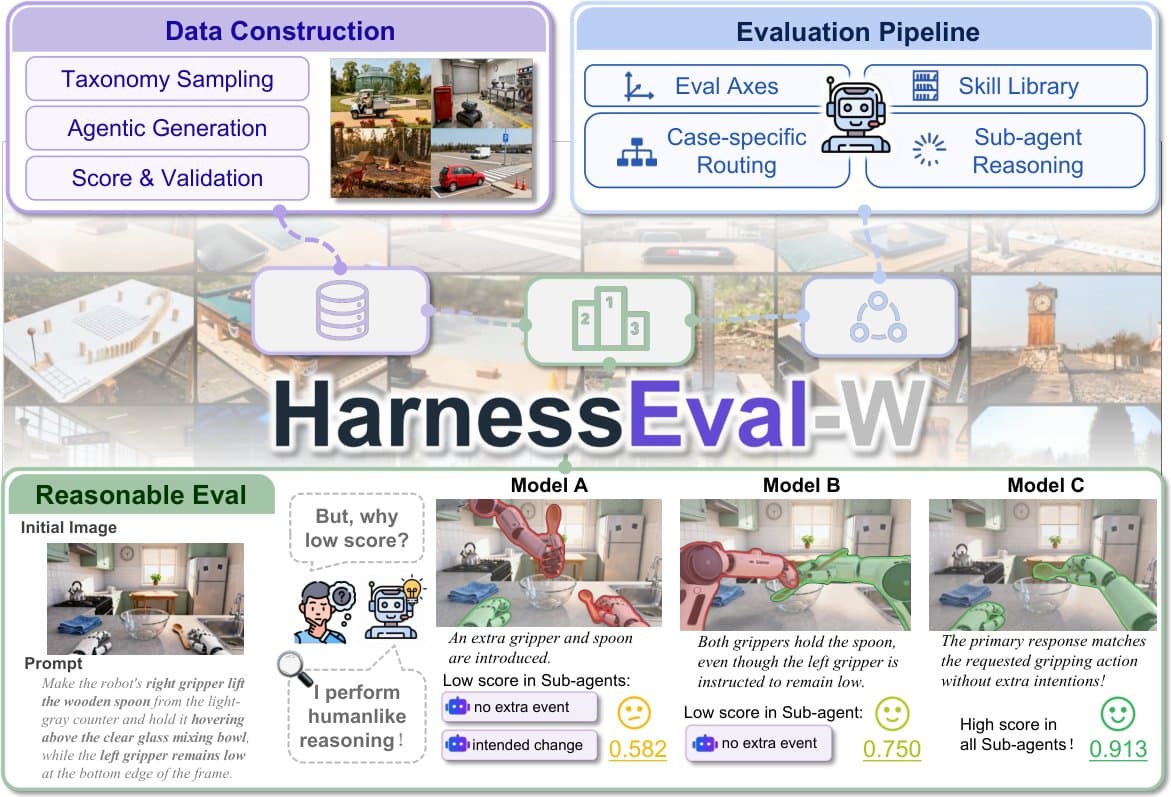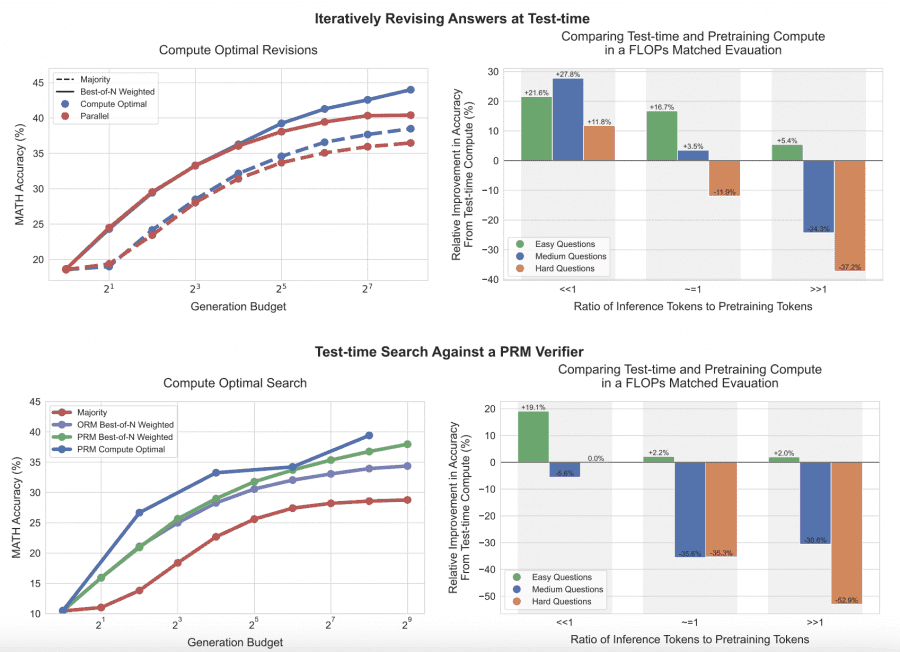
The AI Security Institute (AISecInst) found that increasing test-time compute budgets can significantly skew frontier model evaluations. This challenges standard evaluation practices and suggests reported benchmark results may overstate true model competence.
Key facts
- Test-time compute budgets can skew frontier model evaluations
- AISecInst research challenges current evaluation practices
- Standard benchmarks may overstate model capabilities
- Inference compute acts as a hidden variable in scores
The AI Security Institute (AISecInst) found that increasing test-time compute budgets can significantly skew frontier model evaluations, according to @polynoamial. The research investigates how varying the amount of compute allocated during inference affects performance on standard benchmarks for frontier AI models.
The Core Finding
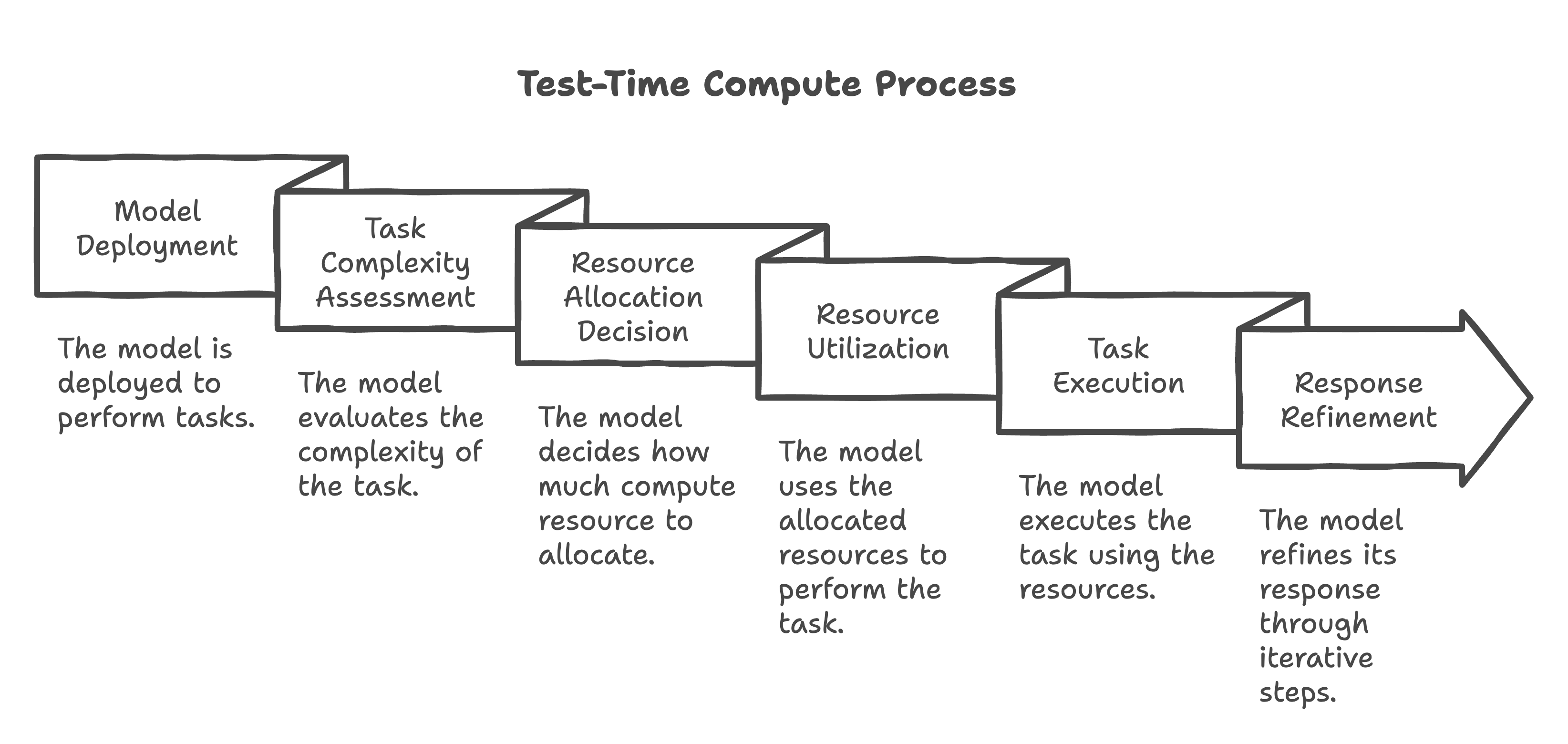
Test-time compute—the computational resources used during inference, not training—acts as a hidden variable in evaluations. When models are given larger compute budgets, they can perform more extensive reasoning, chain-of-thought processing, or iterative refinement, artificially inflating scores. This suggests current evaluation practices may overstate model capabilities by not controlling for inference compute.
The finding directly challenges the standard practice of evaluating models under fixed compute settings. If test-time compute inflates scores, then reported benchmark results may not reflect true model competence but rather the ability to leverage additional compute at inference time.
Implications for the Field
For AI engineers and researchers, this means benchmark comparisons between models may be invalid unless test-time compute is equalized. A model that scores 85% on a reasoning benchmark with 10x the inference compute of a competitor scoring 80% may not be genuinely superior—it may simply be more computationally intensive to run.
The institute's work makes the case even more convincingly than I could, per @polynoamial. The research likely has implications for AI safety evaluations, where overestimating model capabilities could lead to inadequate risk assessments.
What's Missing

The source tweet does not disclose specific models tested, compute budgets compared, or benchmark scores. No arXiv preprint or blog post link was provided. The exact methodology—whether they varied compute via chain-of-thought length, ensemble size, or iterative refinement—remains unclear. [According to the source], the work is described as excellent but lacks detailed public documentation.
What to watch
Watch for AISecInst to release a full paper or blog post detailing specific models, compute budgets, and benchmark deltas. If they publish on arXiv, the field will need to adopt test-time compute controls as a standard evaluation practice.
[Updated 03 Jul via the_decoder]
The Decoder reports that AISecInst's study covered seven benchmarks, finding success rates on software engineering tasks jumped about 25 percent when the token budget was increased tenfold. Newer models benefit most, and actual progress at the frontier is about 60 percent steeper than previous measurements suggested, per AISI.