What Happened: The Algorithmic Bridging Concept
A recent Medium article from FlurryLab introduces the concept of "Algorithmic Bridging"—a framework for integrating multimodal conversational Large Language Models (LLMs) with conventional recommendation systems. The core insight is that rather than replacing existing recommendation infrastructure (which often represents significant investment and operational maturity), companies can layer LLMs on top to enhance capabilities while preserving what already works.
The approach addresses a common challenge in AI adoption: the tension between adopting cutting-edge technologies like LLMs and maintaining reliable, production-tested systems. Conventional recommendation engines—whether collaborative filtering, content-based filtering, or hybrid approaches—excel at pattern recognition based on historical data but often struggle with nuanced context, ambiguous queries, and multimodal inputs (text, images, voice).
Technical Details: How the Bridging Works
While the full technical implementation details aren't provided in the snippet, the concept of "Algorithmic Bridging" suggests several possible architectural patterns:
Query Understanding Layer: Multimodal LLMs can process natural language queries, images, or voice inputs and translate them into structured queries that conventional recommendation systems can understand. For example, "I need a dress for a garden wedding in May" gets parsed into attributes like "occasion=wedding," "season=spring," "venue=outdoor."
Context Enrichment: LLMs can augment user profiles with contextual information extracted from conversations, browsing behavior, or social context that traditional systems might miss.
Post-Processing and Explanation: LLMs can take the recommendations generated by conventional systems and provide natural language explanations, comparisons, or personalized justifications.
Feedback Loop Integration: Conversational interfaces powered by LLMs can capture implicit and explicit feedback more naturally, which can then be fed back into the conventional system's training data.
The key advantage is that the core recommendation algorithm—which might be highly optimized for scale, latency, or business rules—remains unchanged. The LLM acts as an intelligent interface and enhancement layer rather than a replacement.
Retail & Luxury Implications: Enhancing Personalization Without Rip-and-Replace
For luxury and retail companies with established recommendation systems, this bridging approach offers a pragmatic path to AI enhancement. Here's how it could apply:
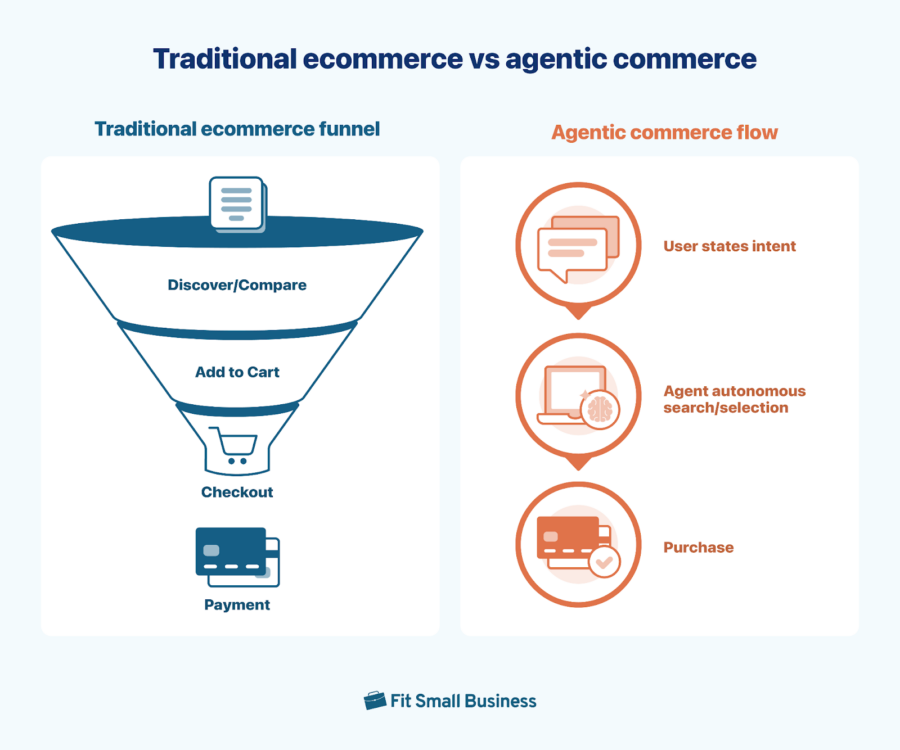
Personal Shopping at Scale: Luxury brands invest heavily in personal shopping services. A multimodal LLM could engage customers in natural conversation about their needs, preferences, and context ("I'm attending the Cannes festival and want something that makes a statement but feels timeless"). The LLM translates this rich context into parameters for the existing recommendation engine, which then surfaces appropriate items from inventory. The result feels like a personal shopper experience but leverages existing product data and recommendation logic.
Visual Search Enhancement: Many luxury retailers have visual search capabilities. A multimodal LLM could combine visual input ("I like the silhouette of this dress but want it in a different fabric") with conversational context to generate better queries for the recommendation system.
Reducing Cold-Start Problems: New customers or products present challenges for conventional systems. LLMs can infer preferences from minimal interaction by leveraging world knowledge and conversational context, providing better initial recommendations that then feed the conventional system's learning.
Preserving Brand Voice: Luxury brands have distinct tonalities and values. LLMs can be fine-tuned to ensure recommendations are presented in appropriate brand language, while the underlying recommendation logic handles the commercial optimization.
The most significant implication is incremental adoption. Luxury companies with legacy systems (common in ERP, CRM, and e-commerce platforms) can enhance them without the risk and cost of full replacement. This aligns with the industry's cautious approach to technology adoption, where customer experience and brand integrity are paramount.
Implementation Considerations
Successful implementation would require:
- API-First Architecture: The conventional recommendation system needs clean APIs for the LLM layer to query
- Latency Management: Adding an LLM layer introduces processing time; careful engineering is needed to maintain acceptable response times
- Evaluation Framework: How to measure whether the LLM enhancement actually improves outcomes (conversion, engagement, satisfaction) versus the conventional system alone
- Cost-Benefit Analysis: LLM inference costs versus expected lift in key metrics
The "Algorithmic Bridging" concept recognizes that the future of retail AI isn't necessarily about choosing between old and new systems, but about creating intelligent interfaces between them.