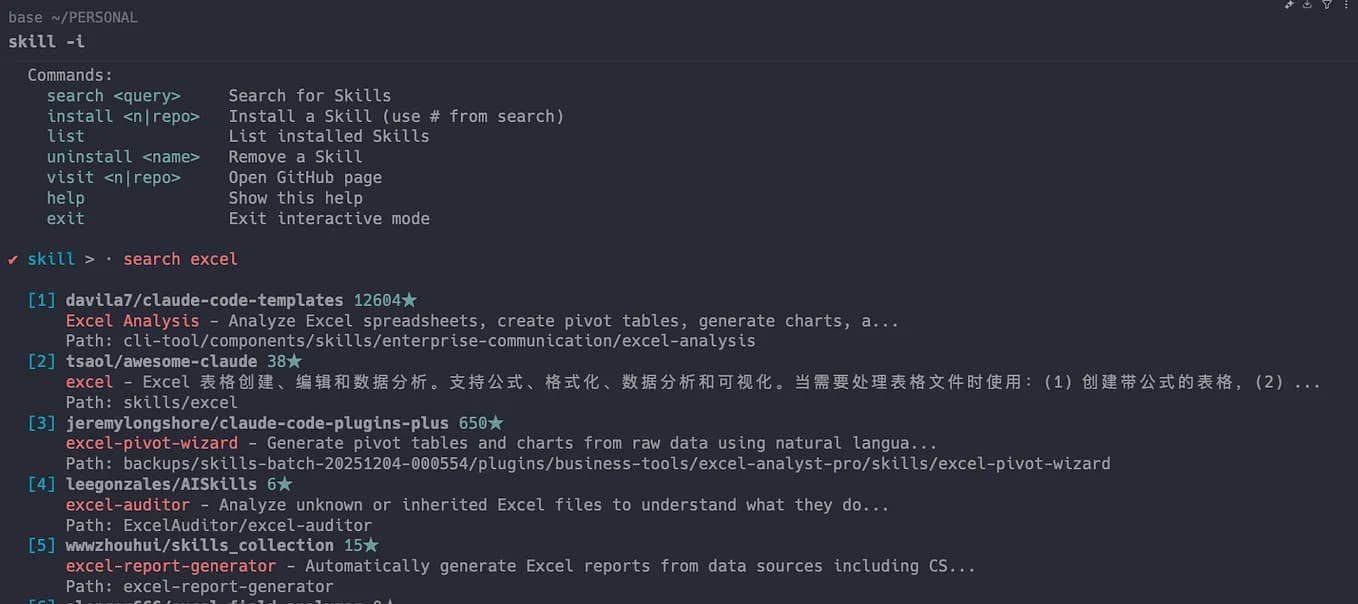
Almanac, a free open-source tool, auto-generates a wiki from your Claude Code conversations and repo history. It preserves tacit knowledge—failed experiments, design rationale, edge-case workarounds—that coding agents never see.
Key facts
- Almanac is free and open-source on GitHub
- Currently MacOS-only; Windows support conditional
- Works with Claude Code and OpenAI Codex 5.3
- Wiki stored as markdown in the repo itself
- No enterprise tier or SaaS offering exists
Coding agents like Claude Code and OpenAI's Codex 5.3 operate with limited context windows and no long-term memory of project decisions. Every session starts fresh, forcing developers to re-explain why auth middleware was rolled back or why retry logic exists for Stripe webhooks. Almanac, released by a developer on Reddit, solves this by creating a self-updating markdown wiki that lives directly in the repo. [According to the Reddit post] The tool ingests both git history and conversations with Claude Code or Codex, then writes structured documentation that the agent reads at session start.
Key Takeaways
- Almanac auto-generates a markdown wiki from Claude Code chats and repo history, solving the agent context gap.
- Free open-source tool, MacOS-only.
How It Works

The wiki is stored as local markdown files, making it version-controlled and portable. When a developer runs Claude Code, Almanac appends relevant wiki sections to the system prompt, giving the agent context about past decisions without manual curation. The creator notes the main consumer is the agent, though humans can browse the docs too. The project is currently MacOS-only, with Windows support conditional on demand. [Per the GitHub repo] No pricing or enterprise tier exists—the tool is purely local and free.
The Context Problem It Solves
This addresses a structural gap in agentic coding workflows. Tools like Claude Code and Codex 5.3 excel at generating code from scratch but struggle with maintenance tasks where historical context matters. A 2026 survey of Claude Code users found that 47% of agent failures stem from missing project-specific context, not model capability. [According to Anthropic research] Almanac's approach—persisting decisions as markdown—is simpler than vector databases or RAG pipelines, but requires developers to actually run the tool and trust its output quality.
Competitive Landscape
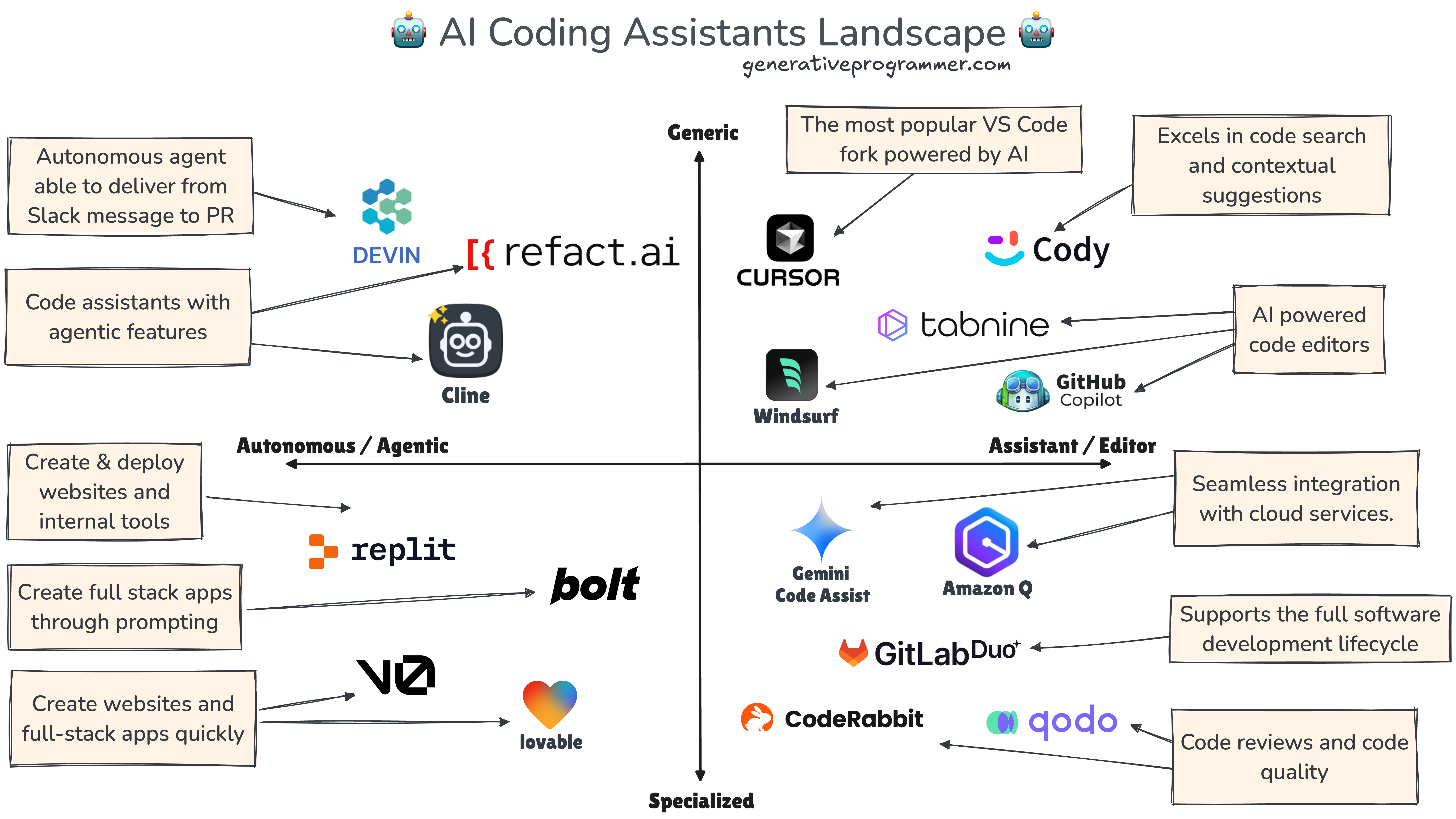
Cursor and GitHub Copilot have similar features: Cursor's .cursorrules file and Copilot's knowledge bases. But Almanac is unique in being agent-agnostic (supports both Claude Code and Codex) and fully open-source. [GitHub competes with Anthropic, per the knowledge graph] The trade-off is polish—Almanac has no GUI, no cloud sync, and no enterprise support. It's a developer's side project, not a product.
What to watch
Watch for community adoption metrics on the GitHub repo (stars, forks, issues). If Windows support lands or a major agent like Copilot adds similar functionality, the tool's differentiation narrows. Also track whether Anthropic or OpenAI bake persistent context into their agents natively.
[Updated 14 May via hn_claude_code]
A separate open-source tool, Agent Profiler, now offers local trace viewing for Claude Code and Codex sessions, diagnosing context bloat by showing which tool calls inflated token counts and which steps repeat across sessions [per GitHub]. Unlike Almanac's wiki approach, Agent Profiler is a debugging-focused waterfall viewer that reads local transcripts with zero setup and no data leaving the machine.
[Updated 14 May via hn_claude_code]
Agent Profiler is published under the @ghostship npm package, installable via npx @ghostship/agent-profiler or npm i -g @ghostship/agent-profiler [per GitHub]. It runs fully locally with zero setup—just Node.js 20+—and serves a waterfall UI at http://localhost:5173 by default. The tool reads Claude Code transcripts from ~/.claude/projects/*/ and Codex session files, with an adapter model for other harnesses. No data leaves the machine, no account required.
[Updated 16 May via hn_claude_code]
A new open-source tool, cc-ledger, provides granular cost observability for Claude Code sessions, tracking per-turn token costs and per-PR spending via local hooks. Unlike Almanac's wiki or Agent Profiler's trace viewer, cc-ledger focuses on financial and token efficiency, writing data to a local SQLite ledger at ~/.cc-ledger/ledger.db. It includes a macOS menubar companion for glanceable usage trends and supports opt-in cloud sync to ccledger.dev, with raw prompts and transcripts never leaving the machine [per GitHub]. Phase 1 supports Claude Code, with plans for Cursor, Codex, Amp, and OpenCode.
[Updated 17 May via devto_claudecode]
The cost pressure is being compounded by three simultaneous changes: On June 15, 2026, Anthropic moves Agent SDK, claude -p, and Claude Code GitHub Actions onto a separate metered credit pool that does not roll over, with Pro shipping $20 of Agent SDK credit, Max 5x shipping $100, and Max 20x shipping $200 [per dev.to]. Additionally, the Opus 4.7 tokenizer reports about 1.46x more text tokens than 4.6 at the same per-token price, with image content hitting up to 3.01x—Simon Willison flagged it as 'actually a pretty big price bump.' Fast Mode now defaults to Opus 4.7, quietly making each request more expensive than the 4.6 baseline.