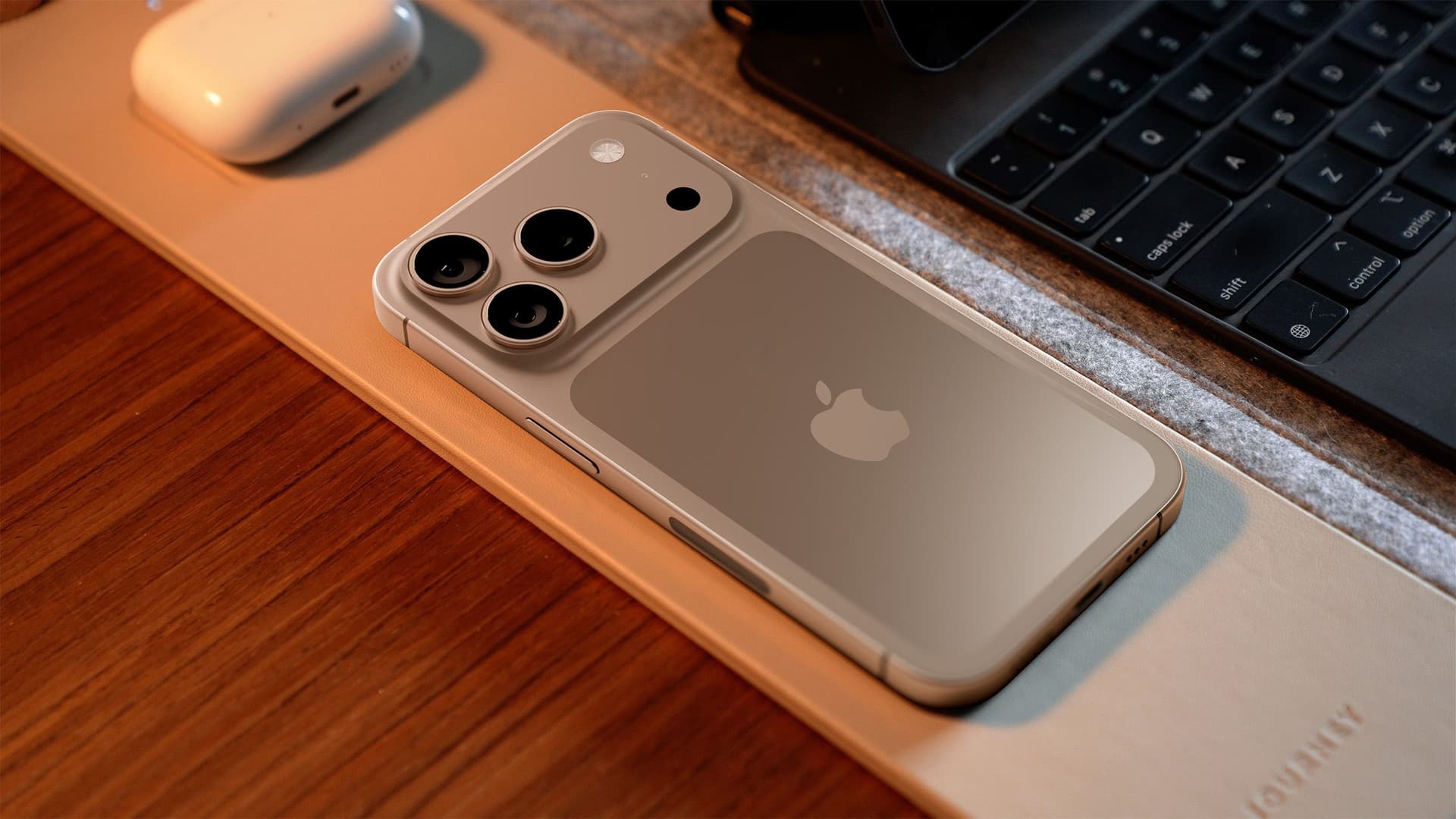
Apple's AFM Core Advanced runs only on iPhone 17 Pro, M3+ Mac, and M4+ iPad. The sparse, multimodal model contrasts with the dense AFM Core for other devices.
Key facts
- AFM Core Advanced: sparse, multimodal on-device model.
- Exclusive to iPhone 17 Pro, M3+ Mac, M4+ iPad.
- AFM Core: dense model for other Apple devices.
- Sparse models activate subset of parameters per inference.
- Apple did not disclose parameter counts or benchmarks.
Apple has split its on-device AI model family into two tiers: AFM Core Advanced and AFM Core. According to @mweinbach, AFM Core Advanced is a sparse model, fully multimodal, and unlike any other on-device model — but it is exclusive to iPhone 17 Pro, M3+ Mac, and M4+ iPad. AFM Core, a dense on-device model, serves all other supported devices.
This bifurcation is a structural departure from Apple's previous approach, where a single model (like the original AFM) ran across all devices with varying performance. By reserving the sparse, multimodal variant for high-end silicon, Apple is betting on hardware differentiation to drive AI capabilities — a strategy that mirrors its historical chip-tiering but now extends into model architecture. Sparse models, which activate only a subset of parameters per inference, can achieve higher efficiency and multimodal integration but require more advanced neural engines found in the A19 Pro (iPhone 17 Pro) and M3/M4 chips.
The move creates a clear hierarchy: users on older or lower-tier devices get a dense model that likely handles fewer modalities or slower inference, while premium hardware unlocks the full multimodal experience. Apple did not disclose specific latency, parameter counts, or benchmark comparisons between the two models.
What this means for developers and users
For third-party developers building on Apple Intelligence, the split introduces fragmentation: apps that rely on AFM Core Advanced's multimodal features (e.g., real-time image + text processing) will only function on the newest hardware. This could slow adoption of advanced on-device features until the installed base of M3+ and iPhone 17 Pro devices grows. Conversely, it pressures users to upgrade for the best AI experience — a classic Apple playbook.
The sparse-versus-dense design choice also signals Apple's focus on privacy-preserving on-device inference. Sparse models can reduce compute and memory bandwidth, making multimodal tasks feasible on mobile without cloud offloading. Apple has not confirmed whether AFM Core Advanced supports all modalities (text, image, audio, video) or a subset.
What to watch
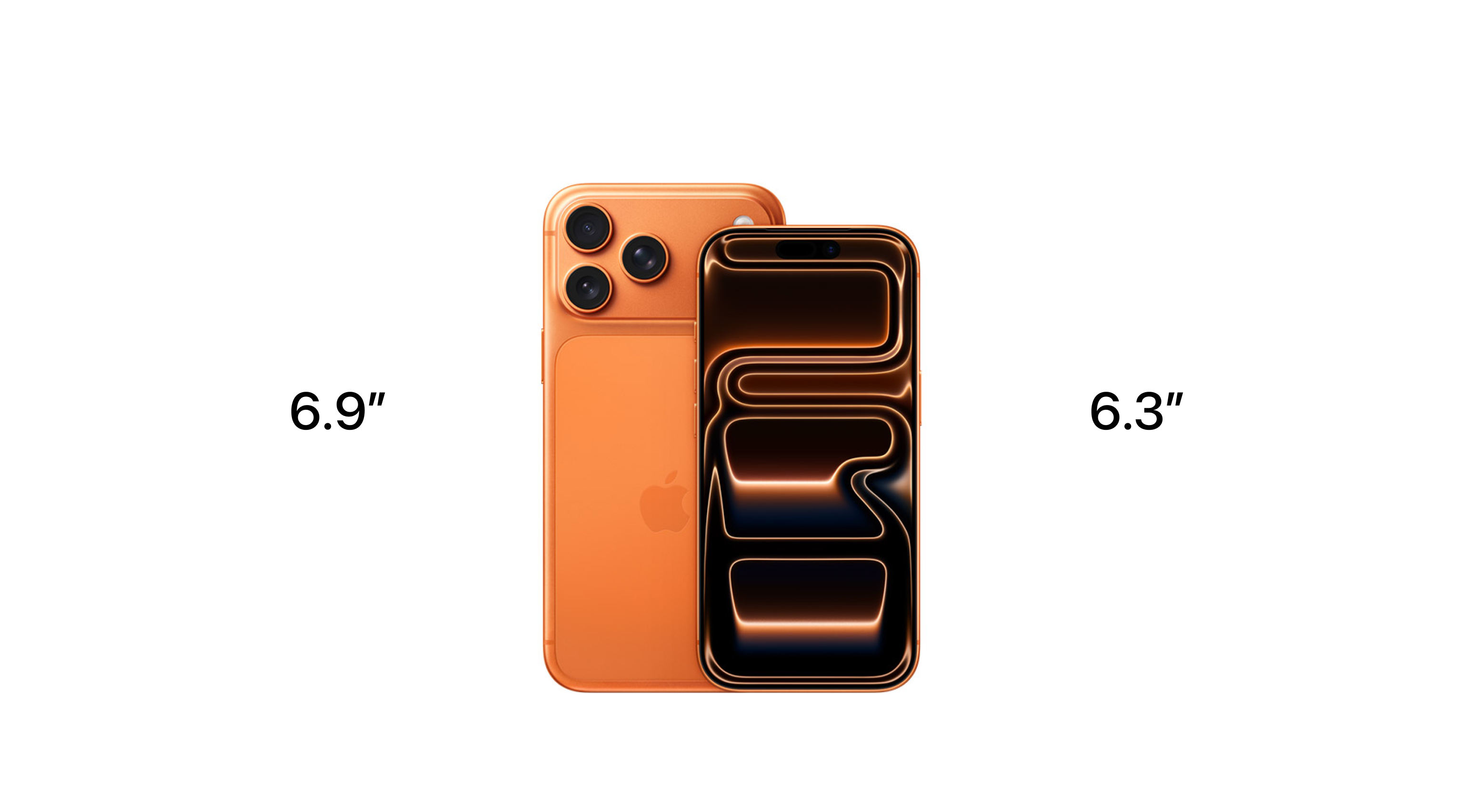
Watch for Apple's WWDC 2026 session on AFM Core Advanced — likely to reveal parameter counts, modality support details, and developer APIs. Also track whether future iPhone 17 non-Pro models include A19 or A19 Pro chips, which would expand sparse-model access.