The Innovation — What BCG Reports
A Boston Consulting Group (BCG) analysis provides a concrete framework for how retail banks can implement AI agents—autonomous systems that can perform tasks, make decisions, and interact with users. While the source material is specifically about banking, the underlying principles and technological maturity are directly transferable to adjacent high-value, service-oriented sectors like luxury retail and premium consumer goods.
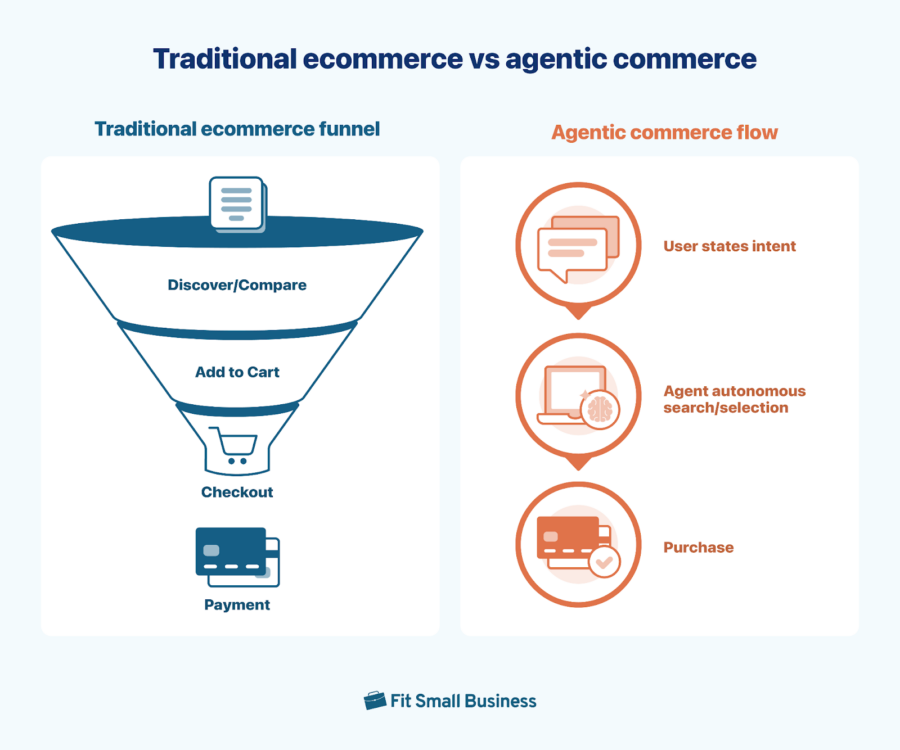
The core premise is that AI agents have crossed a critical reliability threshold, fundamentally transforming their capabilities for automating complex, multi-step processes. This isn't about simple chatbots, but about systems that can orchestrate workflows, access and analyze data, and execute tasks with minimal human intervention.
Why This Matters for Retail & Luxury
The luxury and retail sector faces many of the same challenges as retail banking: high-touch client relationships, complex backend operations (supply chain, inventory, personalization), and the need for 24/7, consistent, premium service. BCG's banking-focused blueprint reveals where AI agents can create immediate value in a luxury context:
- Client Relationship & Concierge Services: AI agents can act as ultra-personalized client advisors. Imagine an agent that has access to a client's purchase history, style preferences, saved wishlists, and even calendar. It could proactively suggest items for an upcoming event, coordinate alterations and delivery, and book in-store appointments with a specific stylist—all through a natural conversation.
- Operational & Inventory Intelligence: Agents can autonomously monitor global inventory levels, predict demand spikes for specific products or regions, and initiate complex replenishment workflows. They could identify a trending handbag in Asia-Pacific, check availability across EMEA warehouses, and trigger a cross-docking shipment to a flagship store in Paris, notifying the local team.
- Corporate Functions: As noted in the context, AI agents are "positioned to revolutionize corporate finance departments." In a luxury group, this translates to automating financial reporting, consolidating data from hundreds of global boutiques and e-commerce platforms, running predictive scenarios for currency exposure, and managing vendor payments.
Business Impact
The impact is measured in elevated service, operational efficiency, and strategic insight.
- Service Scale: A single AI agent can manage hundreds of "always-on" client relationships simultaneously, providing a level of personalized attention previously only possible for top-tier VIPs with dedicated account managers.
- Process Efficiency: Automating complex, manual processes like cross-border inventory transfers or personalized campaign generation reduces operational lag and human error. BCG's implication is that the reliability of these agents now makes such automation financially and operationally viable.
- Data-Driven Decision Making: Agents that continuously analyze sales, social sentiment, and inventory data move the business from periodic reporting to real-time, actionable intelligence.
Implementation Approach
BCG's framework suggests a phased, use-case-driven approach, not a "big bang" AI overhaul.
- Start with a Contained, High-Value Process: Identify a process that is data-rich, rule-based but complex, and has a clear ROI. For luxury, this could be personalizing the digital client welcome journey or automating the daily sales and inventory reconciliation report for regional directors.
- Architect for Agency and Safety: The agent needs a clear "scope of work" (its goals), access to necessary tools and data APIs (e.g., CRM, ERP, inventory management systems), and guardrails. This is where platforms like Google's Vertex AI or specialized agent frameworks come in, providing the environment to build, test, and constrain these autonomous systems.
- The Human-in-the-Loop (HITL) Model: Especially in luxury, the final decision or client-facing communication may require a human touch. The AI agent should be designed to escalate, recommend, and seek approval, not to operate in a black box. The agent handles the legwork; the human provides the judgment and emotional intelligence.
Governance & Risk Assessment
Deploying autonomous agents in a brand-sensitive industry like luxury requires rigorous governance.
- Brand Voice & Compliance: Every client interaction must reflect the brand's tone, values, and compliance standards (e.g., data privacy, financial promotions). The agent's underlying language model must be finely tuned and constrained.
- Data Privacy & Security: These agents require access to sensitive client and business data. Implementation must adhere to the highest standards of encryption, access control, and data residency (e.g., GDPR). The context notes Google has faced criticism for data tracking—a stark reminder to choose technology partners and architectures carefully.
- Bias and Fairness: Algorithms for personalization must be audited to ensure they do not inadvertently discriminate or create unequal client experiences.
- Maturity Level: The technology, as BCG indicates, has crossed a critical threshold for reliability. However, for mission-critical luxury applications, it remains in the "late pilot/early production" phase. Success depends on robust testing, clear success metrics, and a controlled rollout.