Key Takeaways
- Brunello Cucinelli's AI platform Callimacus became an independent software company, generating seven-figure revenue and attracting a Salesforce investment.
- The platform assembles personalized webpages in real time and is being pitched to brands and retailers beyond luxury.
What Happened
Brunello Cucinelli, the Italian luxury house known for cashmere and understated elegance, has quietly built a software business. Its AI platform, Callimacus, generated seven-figure revenue in its first year as an independent company, and Salesforce has invested to help bring it to market.
The platform assembles webpages in real time, selecting products, editorial content, and design components based on a visitor's context, interests, behavior, and likelihood of purchase. It is not a chatbot layered on a fixed website, but a presentation system that sits on top of existing commerce infrastructure, including Salesforce Commerce Cloud and Shopify.
According to Francesco Bottigliero, Brunello Cucinelli's chief of humanistic technology, three large corporations are already developing projects with Callimacus, and around 40 more prospective clients are in discussions.
Technical Details
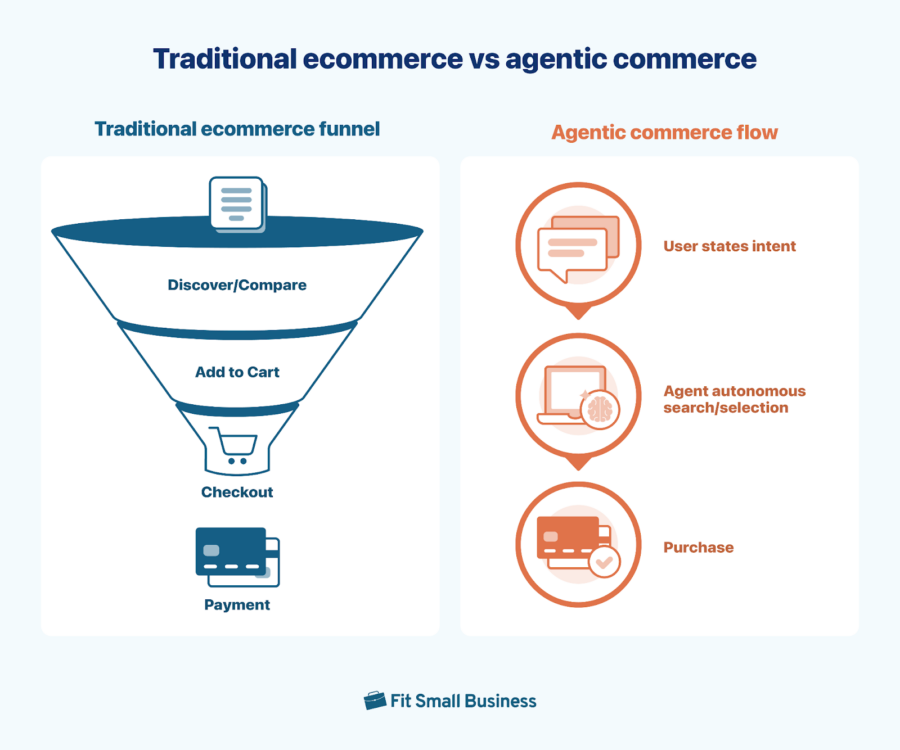
Callimacus differs from conventional e-commerce personalization in a fundamental way. Most platforms give every shopper the same website; Callimacus assembles each page dynamically. The system selects products, editorial content, and design components according to what it understands about the visitor's context and intent.
Critically, it does not require brands to replace their existing commerce stack. It works with Salesforce Commerce Cloud and Shopify, sitting above inventory, payment, and checkout systems. Brands can use its standard setup or add industry-specific capabilities.
The platform emerged from a team of engineers, editors, designers, and stylists working without traditional hierarchy. The aim was to rethink how a luxury customer should browse online, from the vantage point of brand insiders. Bottigliero describes the approach as reflecting Brunello Cucinelli's broader philosophy: AI is like a co-pilot, not a replacement for human judgment.
The relationship with Salesforce began in October 2024, when Bottigliero and his team traveled to San Francisco with an early version of Callimacus. "They were listening to us saying, 'Hey, what a brave move. Are you sure?'" he said. By July 2025, Salesforce had invested and agreed to help bring the platform to market.
Retail & Luxury Implications
The significance of Callimacus extends beyond its technology. It represents a new revenue model for a luxury company: build technology around your own understanding of discovery, storytelling, and brand identity, test it on your own customers, then sell that expertise as enterprise software.

For luxury brands, the pitch is clear. A platform that assembles webpages in real time, selecting products and editorial content based on visitor intent, addresses a long-standing tension: how to personalize the online experience without diluting brand identity. Callimacus claims to solve this by encoding the brand's own editorial judgment into the system.
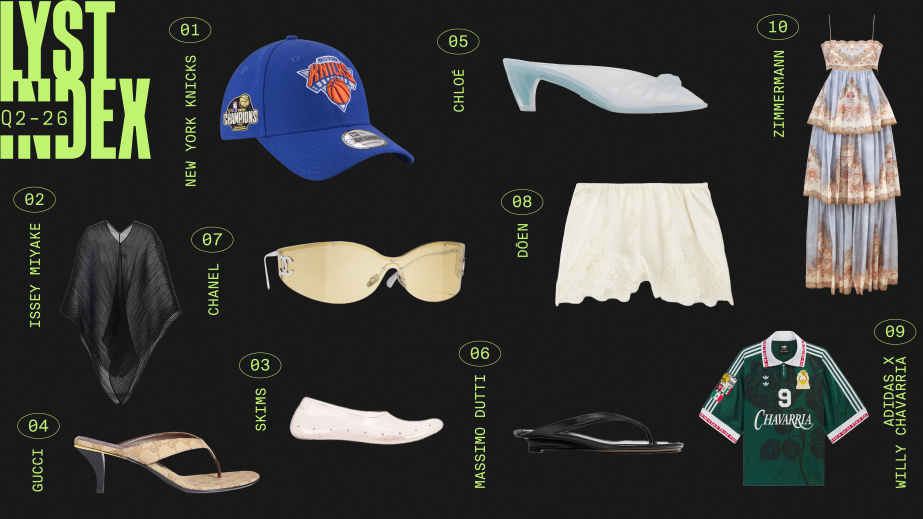
The timing is notable. Ralph Lauren and Capri Holdings are showing where luxury demand is holding up, and Lyst's data spotlights shifting shopper attention. In this environment, brands are looking for ways to convert interest into purchase more effectively. A presentation layer that responds to intent, rather than a static page, is one answer.
However, the gap between a seven-figure revenue business and a transformative enterprise platform is substantial. Brunello Cucinelli expects to double sales this year and again next year, but these are early numbers. The real test will be whether Callimacus can deliver measurable results for brands beyond the Solomeo-based house that created it.
Business Impact
Seven-figure revenue is modest by enterprise software standards, but the trajectory matters more than the starting point. Doubling revenue this year and again next year would put Callimacus in a different category. The Salesforce investment adds credibility and distribution.

The bigger impact may be strategic. Brunello Cucinelli has positioned itself not just as a luxury brand, but as a technology innovator. The "humanistic technology" framing — AI as co-pilot, not replacement — resonates with a luxury audience wary of automation. If Callimacus succeeds, it could become a template for other luxury houses considering whether to monetize their internal technology.
For the broader market, Callimacus signals that personalization is moving beyond recommendation engines. The next frontier is presentation: not just what products to show, but how to assemble the entire page — products, editorial, design — around a single visitor's intent. That is a fundamentally different approach to e-commerce architecture.
Governance & Risk Assessment
Several risks bear watching. First, the platform's effectiveness depends on the quality of its understanding of visitor context and intent. If the underlying models are weak, the dynamically assembled pages could feel erratic or off-brand.
Second, there is the question of how Callimacus handles data privacy. Real-time personalization requires deep visitor data, which raises compliance questions under GDPR and other regulations. Luxury brands, in particular, are sensitive to data misuse.
Third, there is execution risk. Brunello Cucinelli is a luxury house, not a software company. Scaling an enterprise platform requires sales teams, support infrastructure, and product management — capabilities that are not traditional luxury-house strengths. The Salesforce partnership mitigates this, but does not eliminate it.
Finally, there is the question of whether the "humanistic technology" philosophy scales. What works for Brunello Cucinelli's small, curated catalog may not translate to a brand with thousands of SKUs and a different aesthetic.
gentic.news Analysis
Brunello Cucinelli's move is a genuine innovation in the luxury-retail technology space. It is one of the first cases of a luxury house spinning out its internal AI technology as a commercial product, rather than licensing a generic platform from a technology vendor. The "humanistic technology" framing — AI as co-pilot, not replacement — is a distinctive positioning that could resonate with other luxury brands.
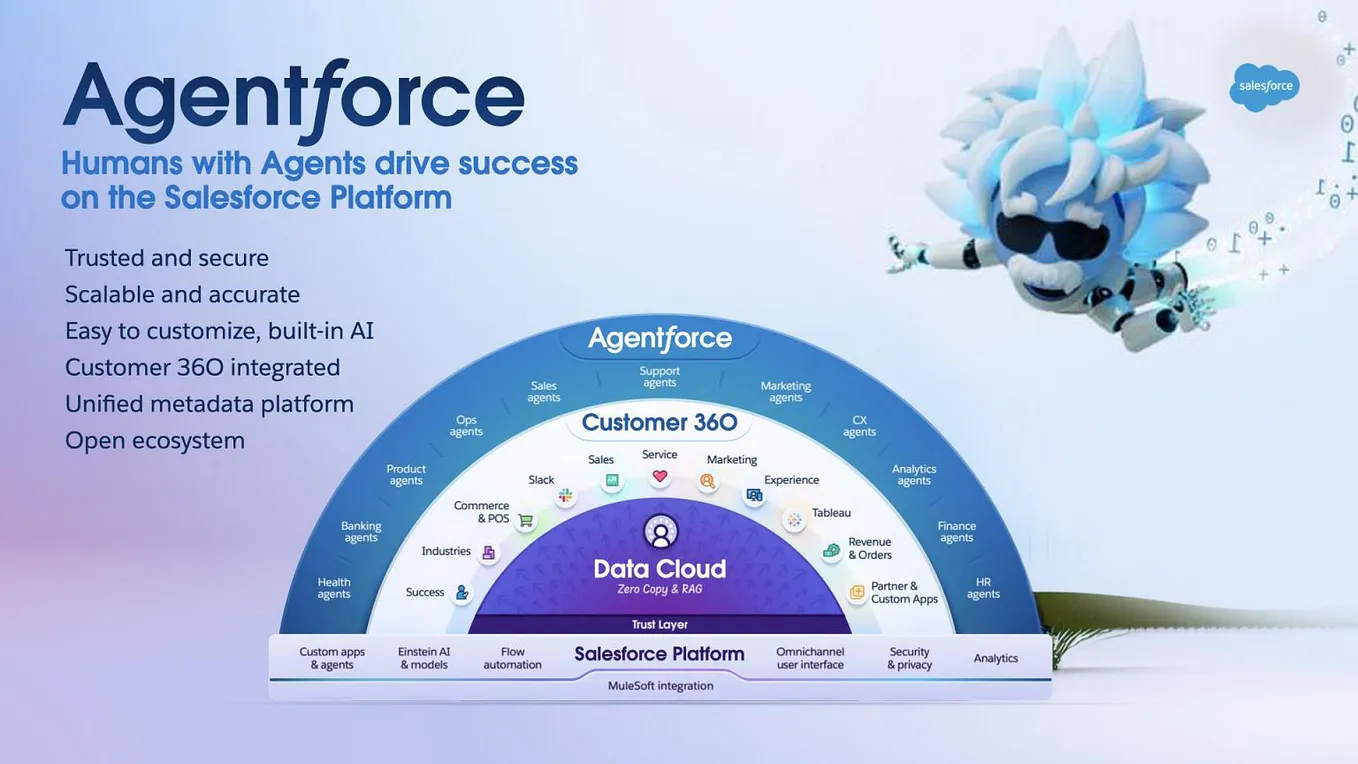
The Salesforce investment is a validation of the approach and a distribution channel that Brunello Cucinelli could not have built alone. It also signals that Salesforce sees value in a presentation layer that sits above its Commerce Cloud, potentially complementing its own Agentforce products.
The honest assessment is that Callimacus is early stage. Seven-figure revenue, while meaningful, is not proof of product-market fit at scale. The real test will come when the three large corporations currently developing projects go live, and when the 40 prospective clients in discussions make purchasing decisions. If those deals close and deliver measurable results, Callimacus could become a legitimate player in e-commerce personalization.
For AI practitioners in retail and luxury, the lesson is twofold. First, there is a real opportunity to build personalization technology that respects brand identity — the "presentation layer" approach is genuinely different from chatbot-based or recommendation-based personalization. Second, the path from internal tool to commercial product is viable, but requires distribution partners and a willingness to operate outside the luxury house's comfort zone. Brunello Cucinelli's bet is that its understanding of luxury discovery and storytelling is itself a product worth selling. Early signals suggest the market agrees.
Source: glossy.co