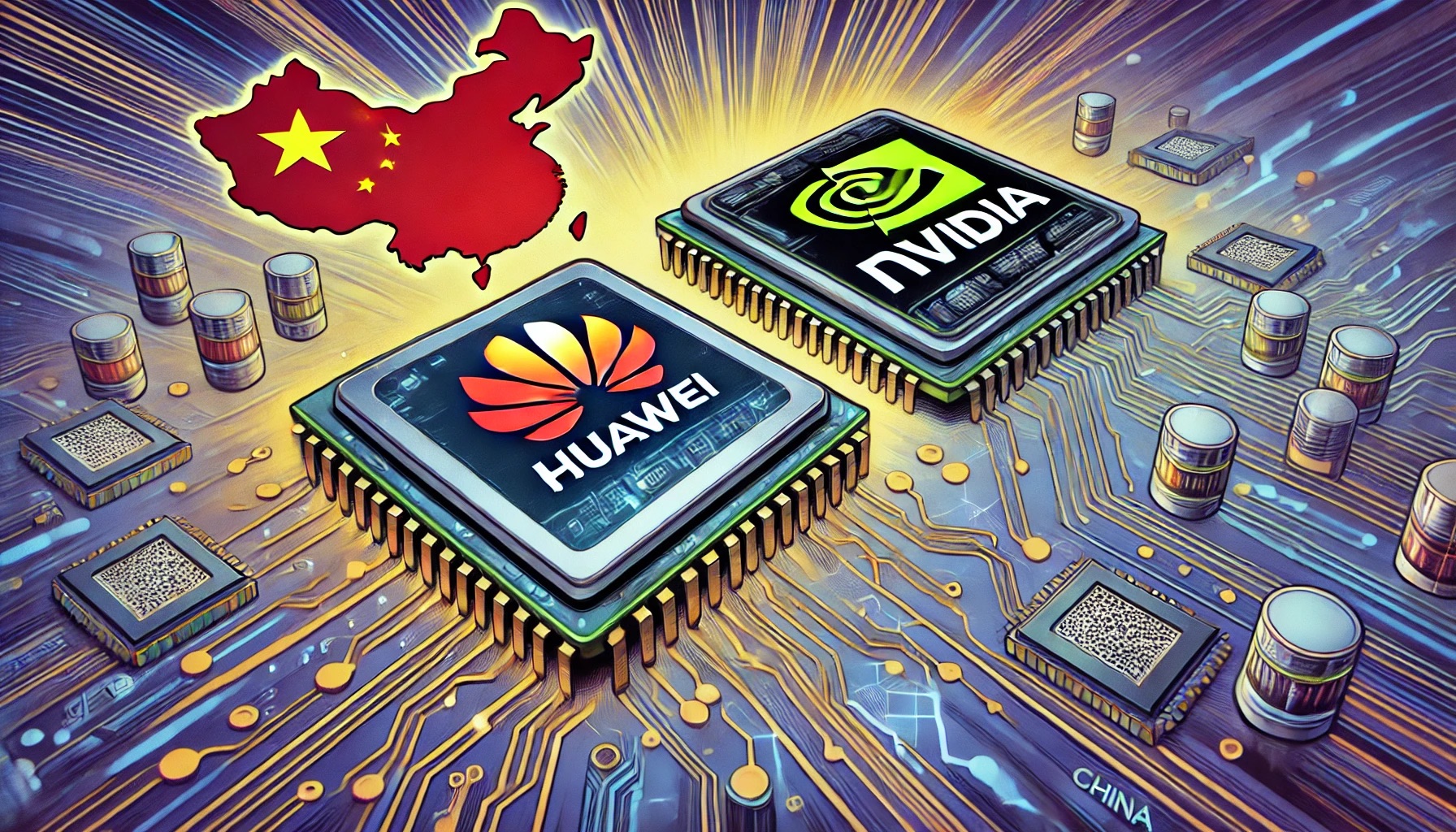
China is drafting rules to prevent its most advanced AI models and chip designs from reaching the West, according to a post by @rohanpaul_ai. The move mirrors US export controls on semiconductors and AI technology.
Key facts
- China drafting rules to block AI, chip exports to West.
- Mirrors US export controls on NVIDIA A100, H100 GPUs.
- Scope of rules unclear; no official statement released.
- Could fragment global AI supply chain further.
- Huawei, SMIC would be directly affected.
China is drafting rules to stop its most advanced AI and chip designs from reaching the West, according to a post by @rohanpaul_ai. The post does not specify which regulatory body is leading the effort or when the rules might take effect. The draft rules have not been published, and their scope remains unclear.
Key Takeaways
- China is drafting rules to block advanced AI and chip exports to the West, mirroring US controls.
- The move signals a structural shift in global tech flows.
What the rules would cover

The reported rules target the export of China's most advanced AI models and semiconductor designs. This would include cutting-edge architectures used in large language models and high-performance chips. The move mirrors US export controls on AI chips and models, which have restricted sales of NVIDIA's A100 and H100 GPUs to China since October 2022.
Why this matters
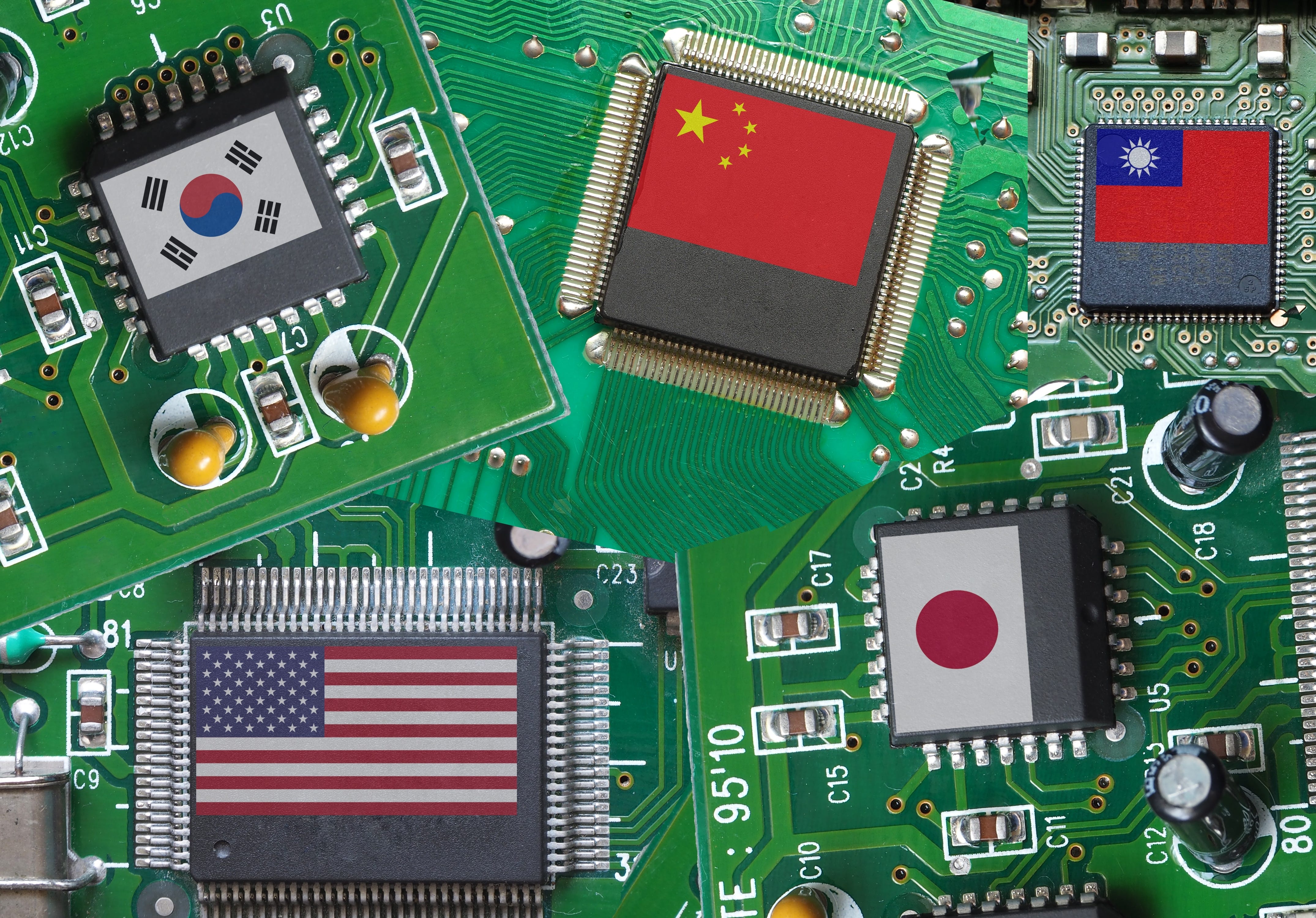
China is now moving to protect its own technological edge. The policy signals a structural shift in global tech flows, where both the US and China are erecting barriers to prevent rivals from accessing critical technologies. This could fragment the global AI supply chain further, forcing companies to choose between the two markets.
The post from @rohanpaul_ai is the only source for this report. No official Chinese government statement has been released. The claim has not been independently verified by Reuters or other major news outlets. According to Reuters, similar export controls have been a key tool in the US-China tech war since 2022.
If enacted, the rules would represent a significant escalation in the tech rivalry. Companies like Huawei and SMIC would be directly affected, as they produce advanced chips and AI models. The impact on Western firms that rely on Chinese AI research — such as those using open-source models from Baidu or Alibaba — could be substantial.
What to watch
Watch for an official announcement from China's Ministry of Commerce or the Cyberspace Administration of China detailing the draft rules. The next key milestone is the public comment period, which could reveal specific thresholds for 'advanced' AI models and chip designs.