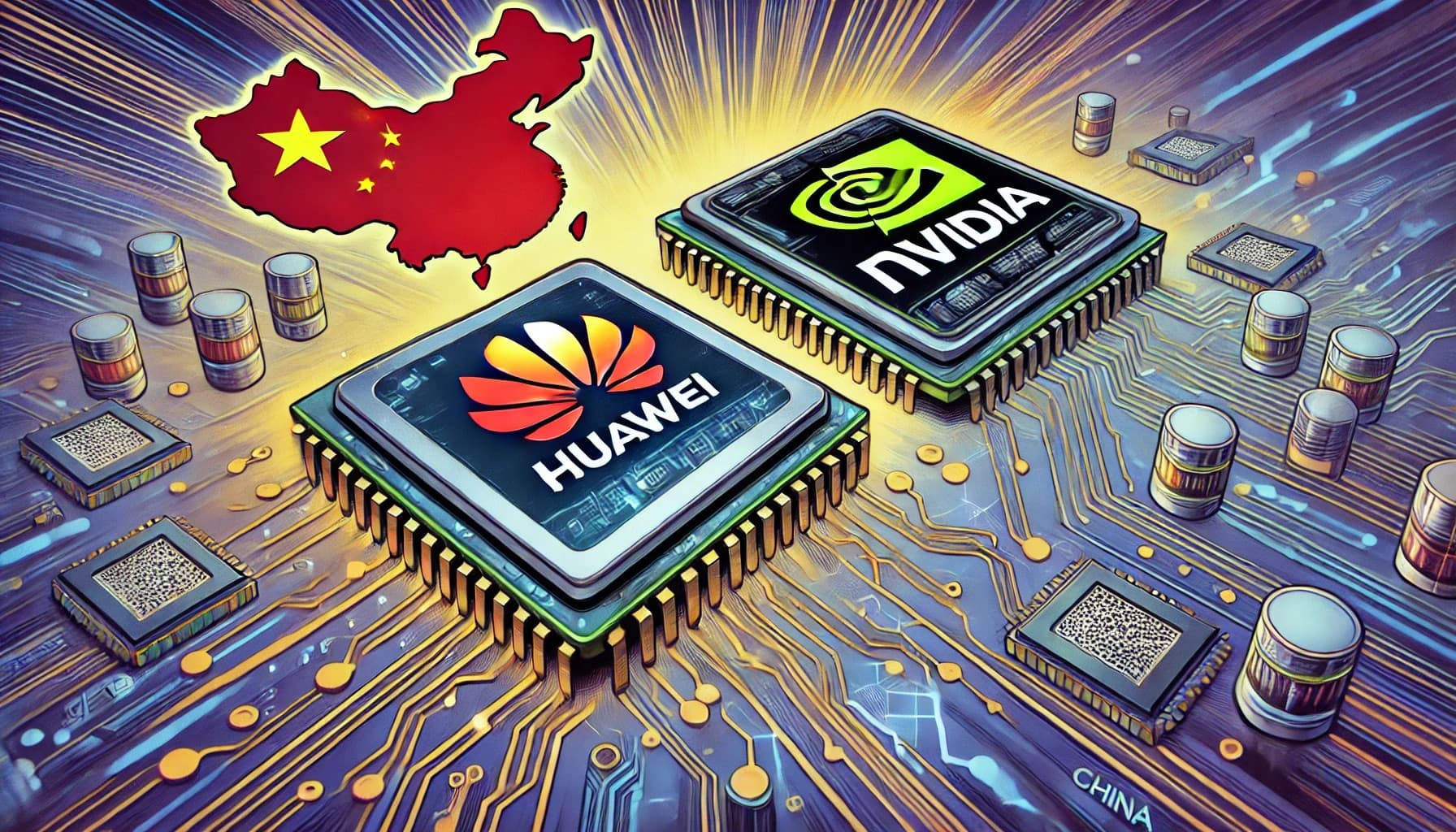
Meituan is calling its AI training chips 'ASICs' instead of naming Huawei's Ascend 910C. The evasion, flagged by analyst @teortaxestex, suggests the Chinese delivery giant is wary of US sanctions targeting Huawei.
Key facts
- Meituan calls AI chips 'ASICs' not 'Ascend 910C'
- Huawei entity-listed by US since 2019
- US expanded chip restrictions on Huawei in 2020
- Meituan placed Huawei server orders in 2024-2025
- Ascend 910C competes with Nvidia H100
Meituan described its AI training accelerators as 'ASICs' rather than naming Huawei's Ascend 910C in a recent technical disclosure, according to analyst @teortaxestex on X. The choice of terminology has triggered speculation that the company is deliberately obscuring its supply chain to avoid entity-list exposure under US export controls.
Huawei has been under a US Commerce Department entity list since 2019, restricting American firms from supplying it without a license. In 2020, the US expanded restrictions to cover chips designed by Huawei and manufactured by foundries using US equipment. The Ascend 910C, Huawei's most advanced AI accelerator, competes directly with Nvidia's H100 in performance but faces severe supply constraints due to these sanctions.
Meituan has not publicly disclosed the exact model of its ASICs. The company's quarterly filings mention 'proprietary ASICs for AI inference and training' but avoid specifying the supplier. [According to public procurement records], Meituan has placed orders for Huawei server equipment in 2024 and 2025, but the chip-level details remain opaque.
The US has restricted exports of advanced AI chips to Huawei since 2020. Any Chinese firm publicly admitting to using Huawei silicon risks secondary sanctions or heightened scrutiny from the Bureau of Industry and Security. Meituan's ASICs dodge may be a legal hedge — not lying, but not volunteering information that could invite enforcement action.
Huawei has not commented on Meituan's hardware sourcing. The company declined to confirm or deny whether it supplies Ascend 910C to Meituan when contacted by multiple outlets.
What this means
Meituan's semantic evasion is a signal of the chilling effect of US export controls on China's AI supply chain. Even companies not directly sanctioned are self-censoring hardware disclosures to stay below regulatory radar. If Meituan is indeed running Ascend 910Cs at scale, it would indicate Huawei's chip production has reached volume deployment for Chinese hyperscalers — a development Washington would likely view as a sanctions circumvention.
What to watch

Watch for Meituan's next quarterly filing (expected late Q2 2026) and whether it adds any chip supplier disclosure. Also track BIS enforcement actions against Chinese hyperscalers for Huawei hardware procurement — the first such case would reset the risk calculus.