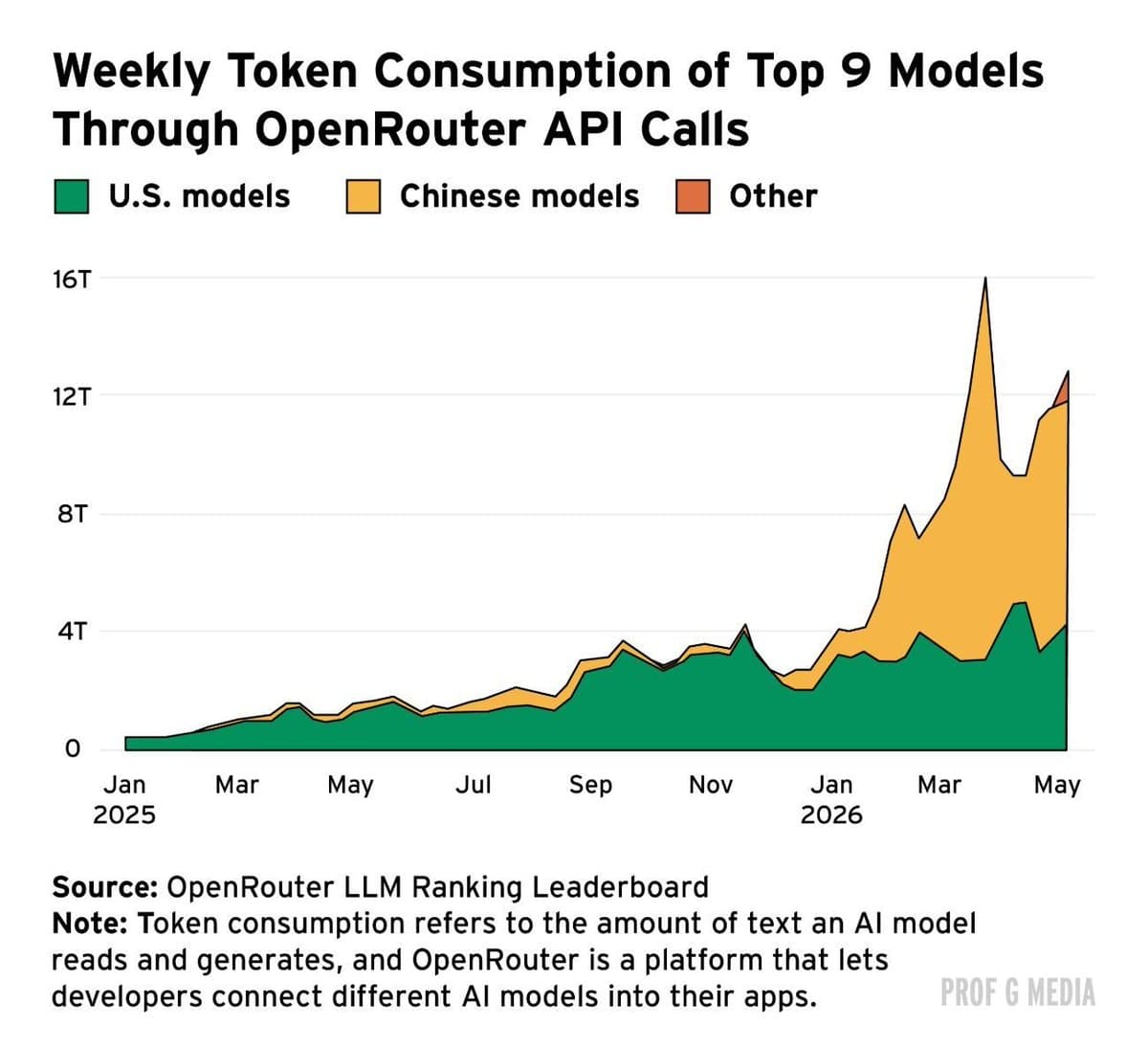
Chinese LLMs now drive the majority of weekly token growth on OpenRouter, per data from @rohanpaul_ai. Through 2025, U.S. models dominated traffic; from early 2026, Chinese models became the main growth engine.
Key facts
- Weekly token consumption on OpenRouter shifted from U.S. to Chinese models in early 2026.
- U.S. models drove most traffic through 2025.
- Chinese models became main growth engine from early 2026.
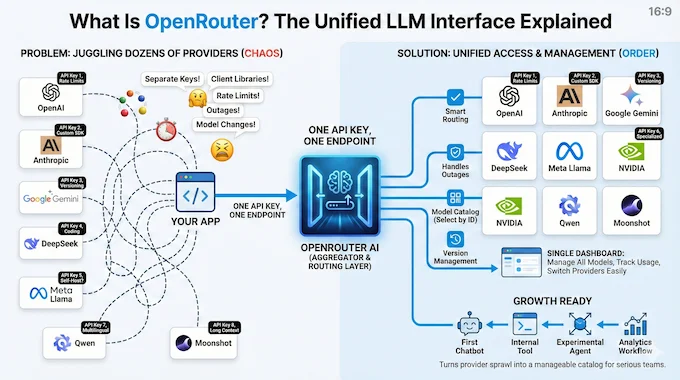
- OpenRouter aggregates API calls from multiple LLMs.
- Shift reflects utility over brand loyalty, per @rohanpaul_ai.
American AI startups are routing far more app traffic to Chinese LLMs, according to a post by @rohanpaul_ai on X. The data, drawn from OpenRouter—a platform that provides unified API access to multiple LLMs—shows a dramatic shift in weekly token consumption patterns.
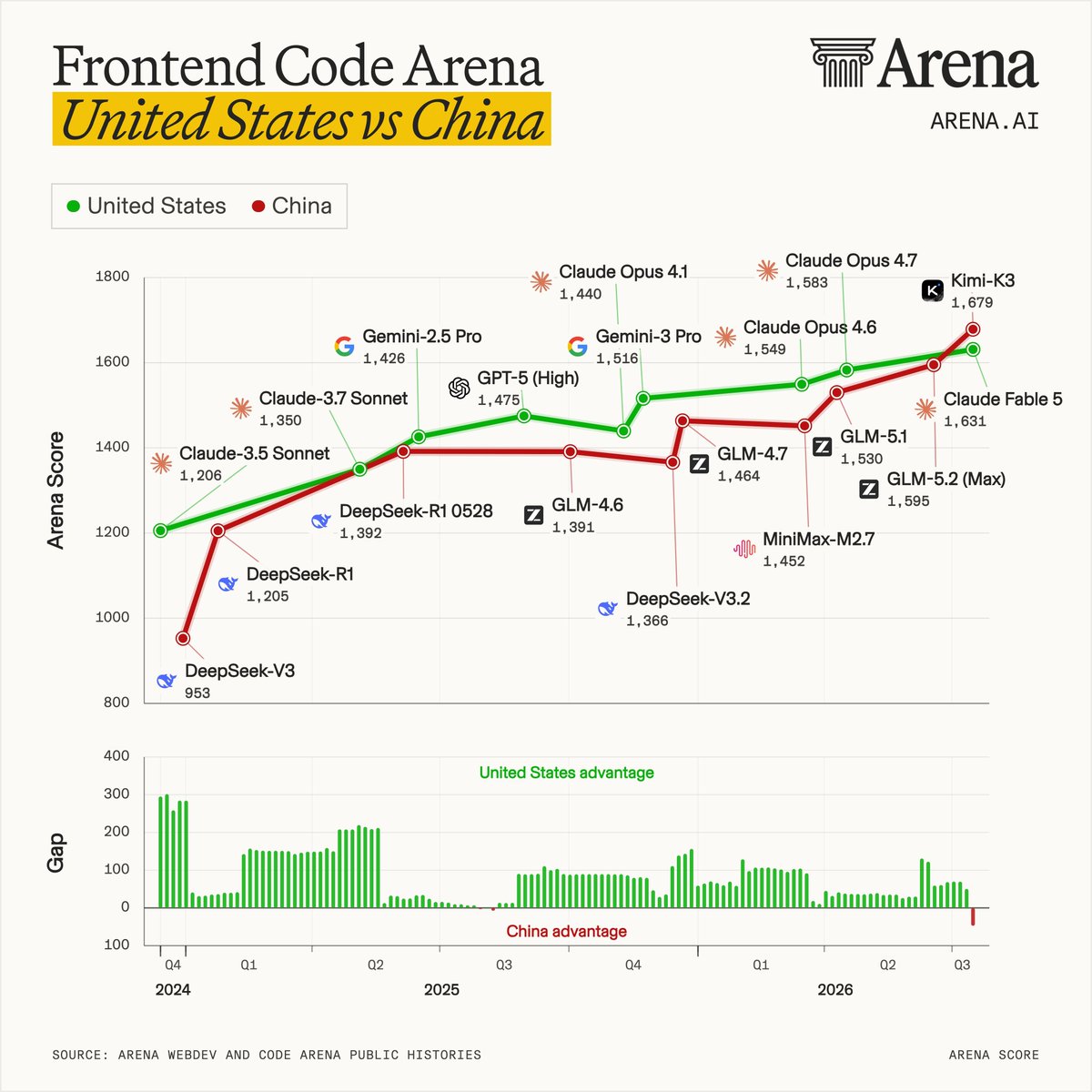
Through 2025, most token consumption on OpenRouter came from U.S. models, including those from OpenAI, Anthropic, and Google. But starting in early 2026, Chinese models from companies like DeepSeek, Alibaba (Qwen), and ByteDance (Doubao) began to dominate growth. The post notes that "Chinese models suddenly became the main growth engine."
This pivot is not about brand loyalty. The analysis argues that "AI model market is becoming less about brand loyalty and more about raw utility." For startups optimizing cost and latency, Chinese models offer competitive performance at lower prices, especially for tasks like code generation and text summarization. The shift mirrors broader trends: DeepSeek's R1 and Qwen 2.5 have matched or exceeded U.S. models on several benchmarks, per public evaluations.
The unique take here is structural: OpenRouter's aggregate data captures real-world deployment choices, not synthetic benchmarks. The shift suggests that geopolitical tensions are not overriding cost-performance calculus for early-stage startups. If this trend continues, it could reshape the AI inference market, pressuring U.S. model providers to cut prices or differentiate on features like safety and enterprise support.
The source does not disclose absolute token volumes or revenue figures, nor does it break down which specific Chinese models saw the largest gains. However, the directional change is clear and supported by recent industry moves: in Q1 2026, several U.S. AI startups publicly adopted DeepSeek for internal tooling, citing cost savings of 60-80% over GPT-4o, per TechCrunch.
Key Takeaways
- Chinese LLMs now drive most weekly token growth on OpenRouter, with American startups routing more traffic to them, per @rohanpaul_ai.
- The shift reflects utility over brand loyalty.
What to watch
Watch for Q2 2026 OpenRouter token volume disclosures and whether U.S. model providers like OpenAI and Anthropic cut API prices further. Also track any U.S. policy actions restricting use of Chinese AI services by American companies.
[Updated 09 Jun via pandaily]
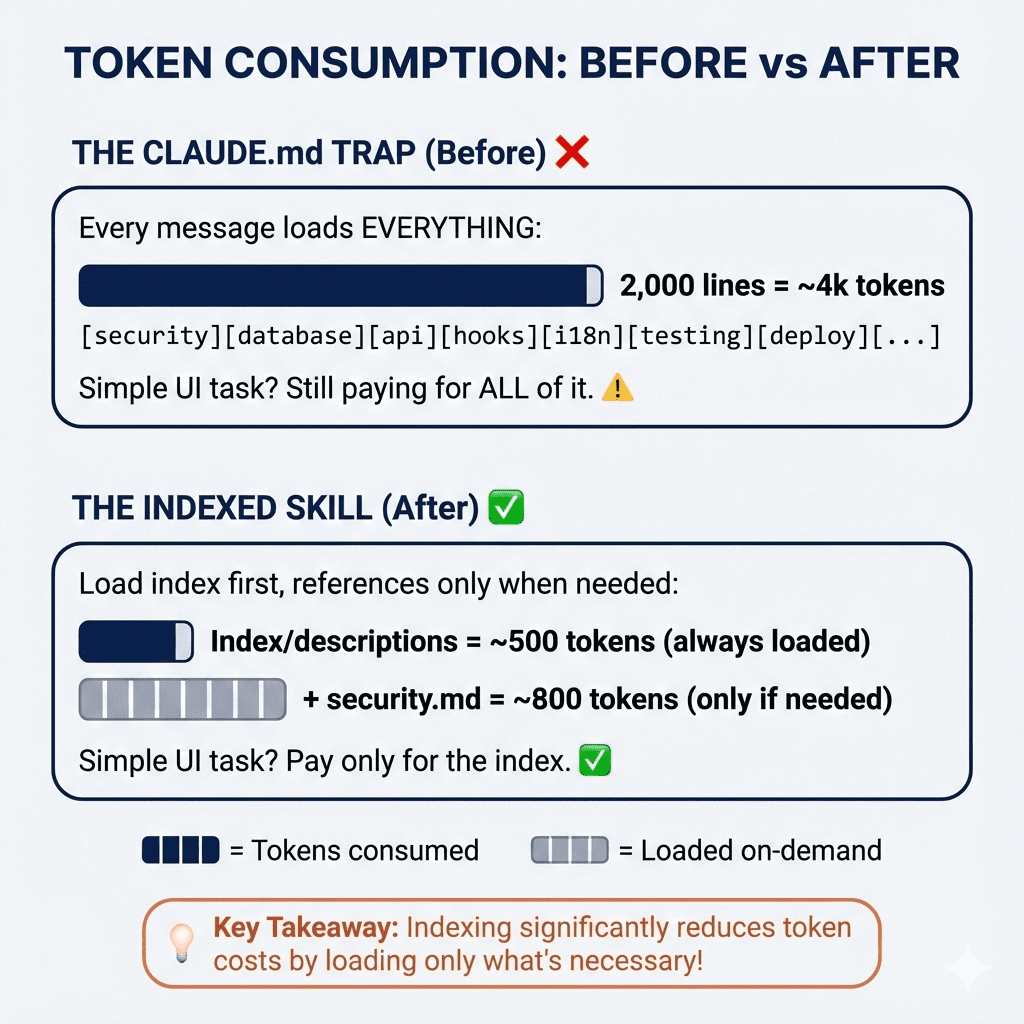
UniSound has entered the top tier of Chinese LLMs with its U2 foundation model, which reduces token consumption by 25% while maintaining competitive performance [per Pandaily]. This efficiency-first approach could accelerate the shift of U.S. AI traffic toward Chinese models on OpenRouter, as startups prioritize cost and latency savings.