Claude Code is crossing the line from “assistant” to “agent runtime”: the winning teams are the ones adding verification, hooks, and policy gates instead of trusting the model.
60% compliance violations reduced
Trending Now
🔥 Deterministic Hooks Beat CLAUDE.md for Critical GuaranteesThe biggest shift is moving from prompt-based expectations to event-driven enforcement. Use `SessionStart`, `PreToolUse`, and `PostToolUse` hooks in `settings.json` for anything that must always happen, because instructions in `CLAUDE.md` are still just suggestions. 🔥 Verification Is Becoming the Default Safety Layer
Teams are no longer asking Claude Code to self-check; they’re adding adversarial verifiers, multi-agent cross-validation, and concrete repro loops. If you care about shipping fewer regressions, stop at 3 rounds and require evidence, not explanations. 📈 MCP Discovery Is the New Bottleneck
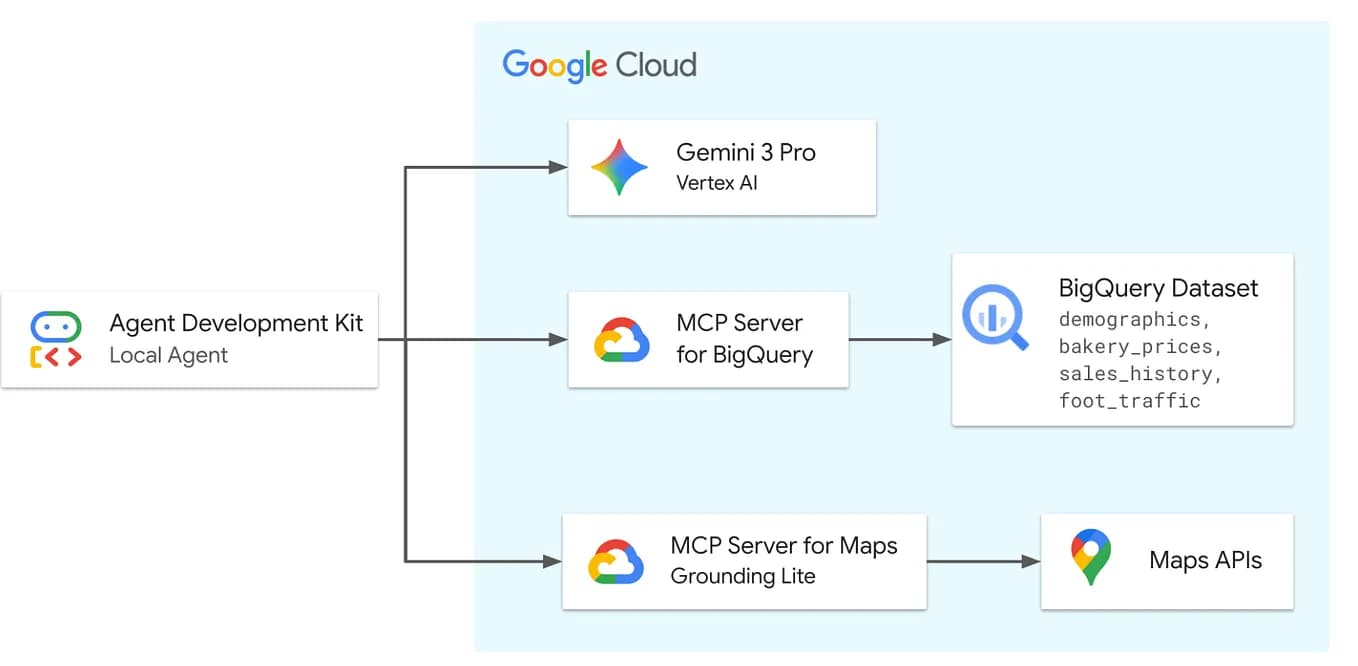
The problem is no longer “can Claude use MCP?” but “which server should I install and trust?” Tools like verified registries and pay-per-call servers show the ecosystem is shifting toward discovery, provenance, and cost control—not just capability.
Best Practices
Use `hooks.PreToolUse` to block destructive git commandsBefore: Claude can still attempt risky actions like `git reset --hard` and you only notice after the fact. After: the command is rejected deterministically before execution, which is the difference between a near-miss and a rollback. Cap adversarial verification at 3 rounds
Before: endless self-critique loops waste tokens and still miss bugs. After: a 3-verifier panel forces concrete refutations fast, catches failures tests miss, and keeps the loop from becoming its own productivity tax. Run `claude code --model opus-4.8` on hard codebase tasks
Before: lower-tier models can burn time on complex refactors and multi-file reasoning. After: Opus 4.8 is the safer default when benchmark wins and deeper reasoning matter more than raw cost.
Tools & MCP
Confessor — Replays Claude Code JSONL logs into a full forensic HTML report — shows every file read, command, and network call so you can spot exfiltration paths after the fact. mcp-hub — Searches and installs MCP servers from a verified registry — removes the guesswork across 13,000+ servers and speeds discovery when npm search is a dead end. DejaView — TUI dashboard for Claude Code sessions — groups projects, shows sparklines, and resumes a session with Enter instead of spelunking logs.Multi-Agent Patterns
3-Verifier Refutation PanelOne agent proposes the change, then three independent verifiers try to break it with concrete repro cases. It solves the classic “looks right, fails in reality” problem without requiring a giant test harness. Dual-Agent Cross-Validation
Run two Claude agents independently, compare their outputs, then reconcile only the overlapping conclusions. This reduces single-agent blind spots in enterprise workflows where one false positive is expensive. Policy-Gated Agent Runtime
Put Claude Code behind OPA/Kyverno so every action is checked against policy before it lands. The result is faster remediation because violations are blocked at runtime instead of discovered days later in review.
Community Requests
- Native MCP server benchmarking: token cost, latency, and failure-mode comparisons before install
- Built-in session forensic viewer for file reads, shell commands, and network calls
- First-class policy templates for OPA/Kyverno plus reusable dangerous-command denylists