Key Takeaways
- Dassault Systèmes is expanding its AI-powered PLM to LVMH, Carrefour, and Walmart.
- This marks a major enterprise AI deployment in retail and luxury, embedding intelligence into product design, supply chain, and personalization.
What Happened
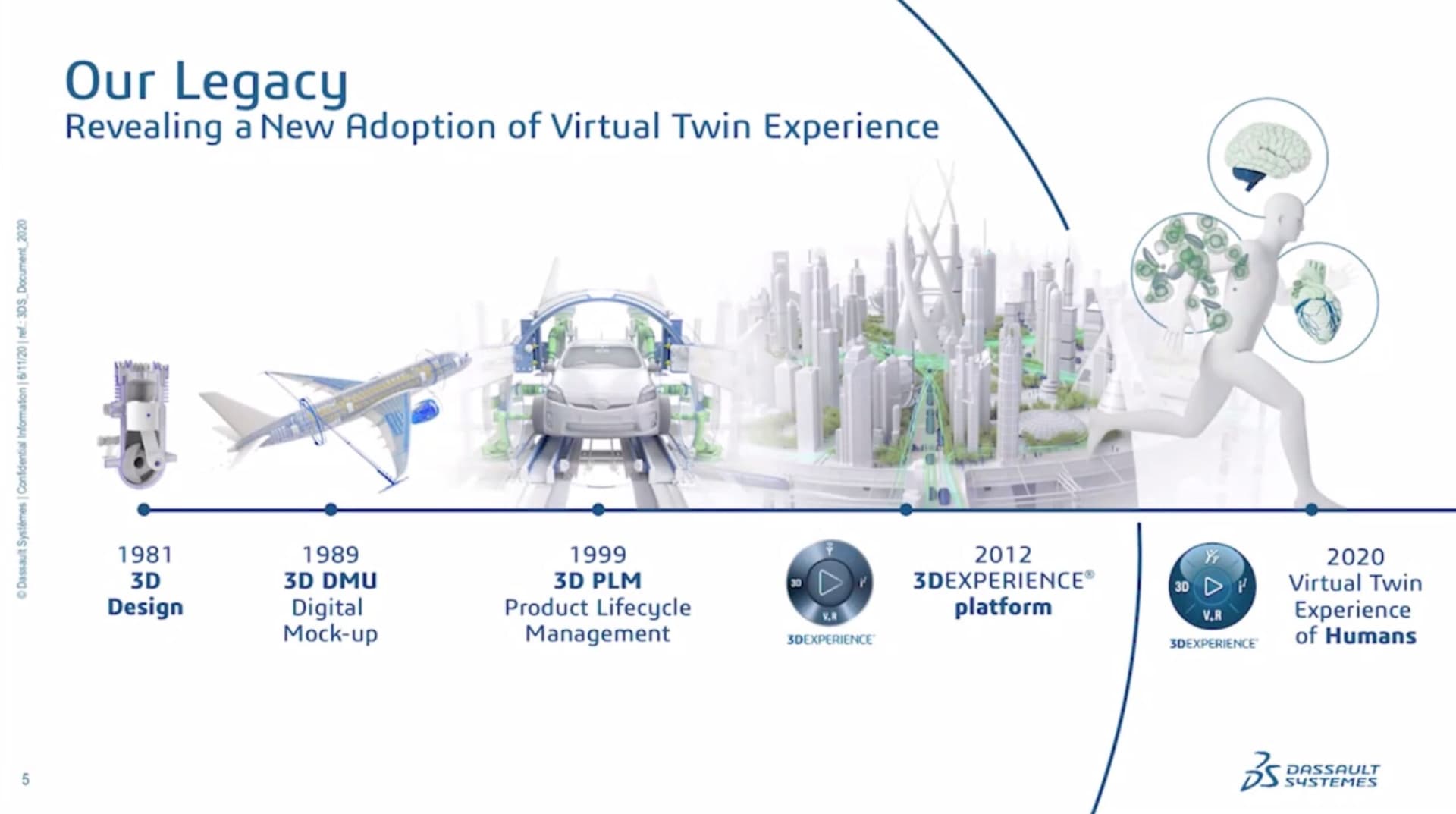
Dassault Systèmes, a French software company specializing in 3D design and Product Lifecycle Management (PLM), is expanding its AI-enhanced PLM platform to three global retail giants: LVMH, Carrefour, and Walmart. The expansion embeds artificial intelligence directly into the product lifecycle — from conception and design through manufacturing, distribution, and customer experience.
This is not a pilot. LVMH, Carrefour, and Walmart are adopting the platform for production-scale operations, signaling a maturation of AI in retail PLM beyond experimentation.
Technical Details
Dassault Systèmes' PLM platform integrates AI models — likely including generative design, predictive analytics, and natural language interfaces — into its existing 3DEXPERIENCE platform. The AI components enable:
- Generative product design: AI proposes design variations based on materials, cost, and sustainability constraints.
- Supply chain simulation: Predictive models optimize inventory, logistics, and production schedules.
- Personalization at scale: AI tailors product configurations to individual customer preferences while maintaining production efficiency.
The platform runs on cloud infrastructure, likely leveraging Google Cloud given Dassault Systèmes' existing partnership with Google (noted in the Knowledge Graph). Google Cloud's Vertex AI and Gemini models could underpin the AI capabilities, though specific model details were not disclosed.
Retail & Luxury Implications
LVMH: Accelerating Luxury Product Design
LVMH, parent of Louis Vuitton, Dior, and 70+ luxury brands, will use the AI PLM to compress design cycles. In luxury, where craftsmanship and exclusivity are paramount, AI assists in material selection, prototyping, and quality control — not replacing artisans but augmenting their workflow.
Carrefour: Supply Chain Intelligence
Carrefour, a global grocery retailer, will apply AI to demand forecasting, inventory management, and supplier collaboration. The PLM system can simulate supply chain disruptions (e.g., weather, logistics bottlenecks) and recommend mitigation strategies.
Walmart: Customer-Centric Product Lifecycles
Walmart's adoption focuses on using product lifecycle data to enhance customer experience. AI-driven insights from PLM can inform product assortment, pricing, and personalized recommendations across Walmart's e-commerce and physical stores.
Business Impact
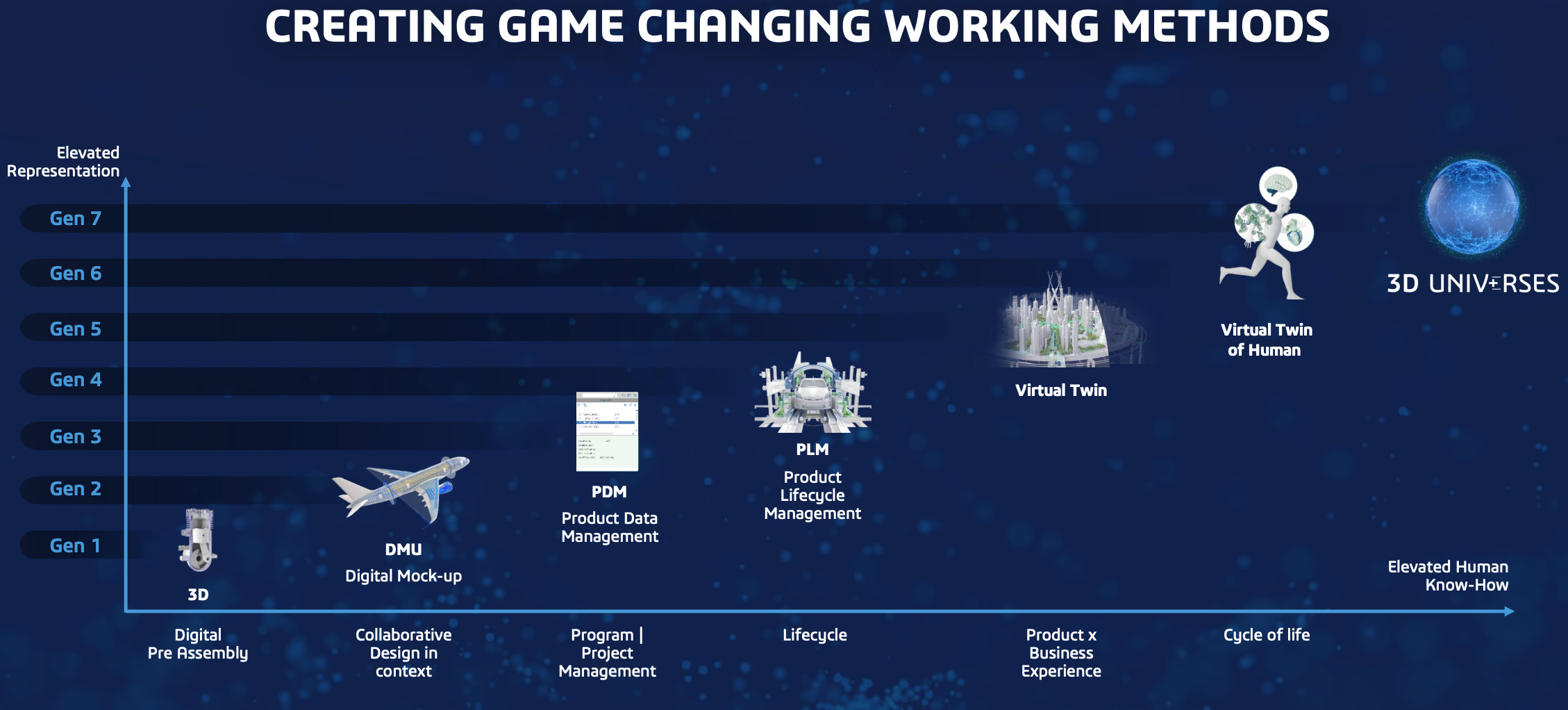
While Dassault Systèmes has not disclosed contract values or quantified ROI, the adoption by three of the world's largest retailers — each with complex, multi-tier supply chains — suggests significant operational efficiency gains. Typical PLM AI benefits include 20-30% faster time-to-market, 15-25% reduction in inventory costs, and improved sustainability metrics through optimized material usage.
For context, LVMH alone reported €86 billion in revenue in 2025. Even a 1% efficiency gain from AI PLM translates to hundreds of millions in value.
Implementation Approach
Deploying AI PLM at this scale requires:
- Data integration: Connecting PLM with existing ERP, CRM, and supply chain systems.
- Change management: Training design, procurement, and retail teams to trust AI recommendations.
- Cloud infrastructure: Scalable compute for AI model inference and simulation.
- Governance: Ensuring AI decisions align with brand standards and regulatory requirements (e.g., EU AI Act).
Dassault Systèmes likely provides pre-built connectors and industry templates to accelerate deployment.
Governance & Risk Assessment
Data Privacy Medium risk — PLM contains proprietary designs and supplier data. Need robust access controls. Bias Low risk for design tasks; moderate for personalization (must avoid reinforcing stereotypes). Regulatory EU AI Act applies if AI influences consumer-facing decisions (e.g., pricing). Maturity Production-ready — this is a deployment, not a pilot.gentic.news Analysis
This expansion is a bellwether for AI in retail PLM. Dassault Systèmes is not alone — Siemens, PTC, and SAP are all embedding AI into PLM. But landing LVMH, Carrefour, and Walmart simultaneously signals that the technology has crossed the chasm from niche to mainstream.
For AI leaders in retail and luxury, the key takeaway is that PLM is becoming an AI-native function. The competitive advantage will shift from who has the best PLM software to who best leverages the AI insights it generates. Retailers still running legacy PLM systems without AI capabilities will face increasing pressure to upgrade.
However, the real test will be in execution. Integrating AI into PLM requires clean data, cross-functional buy-in, and a willingness to let AI challenge established processes. The retailers that succeed will be those that treat AI PLM not as a tool but as a strategic capability.
Source: news.google.com