The Innovation — What the source reports
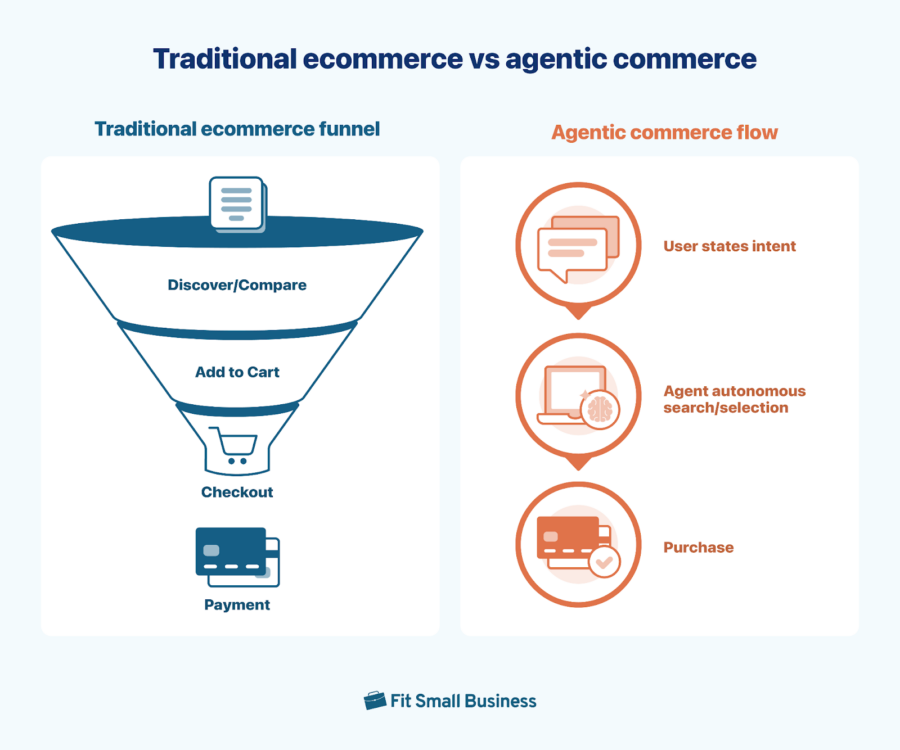
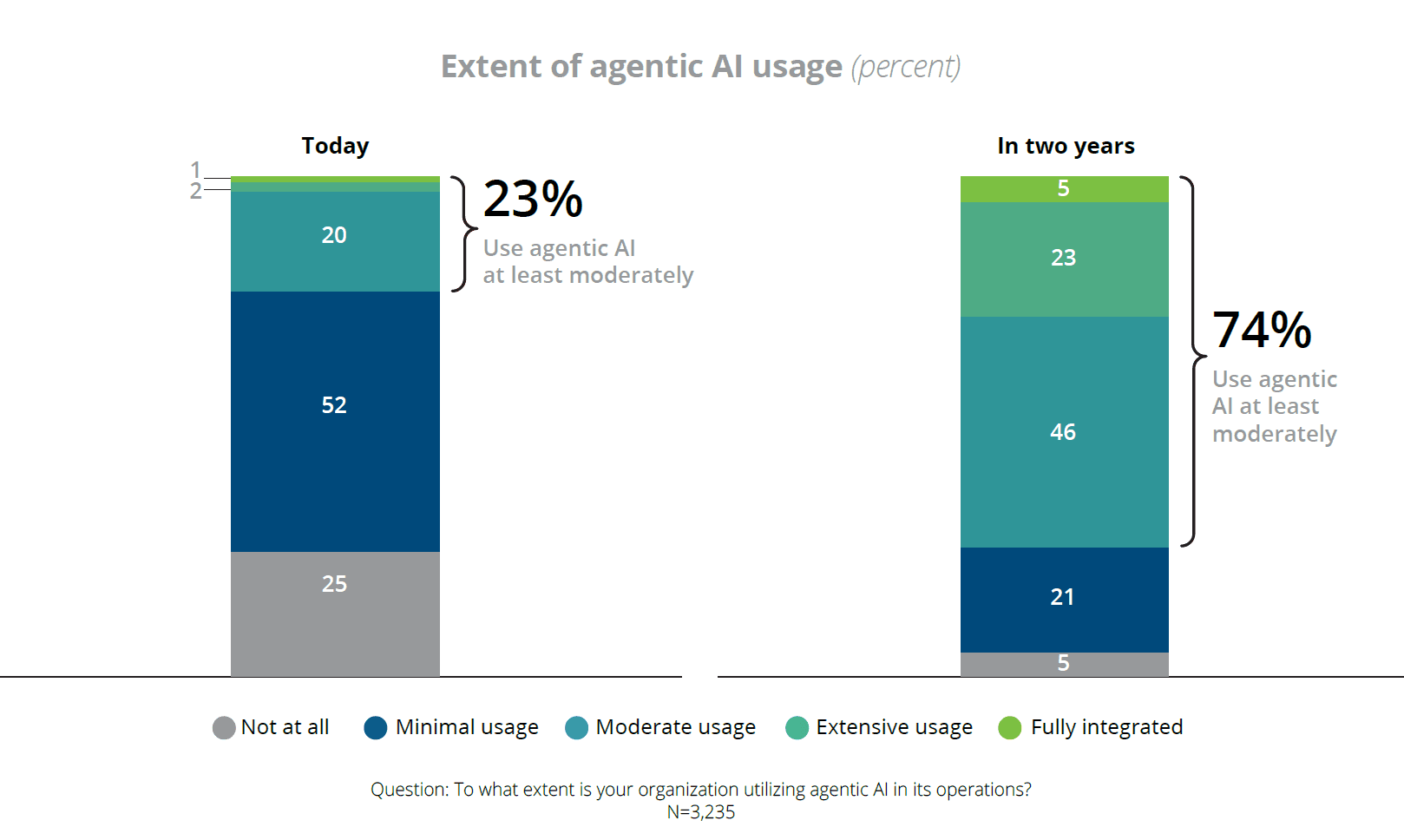
A report from Deloitte, highlighted by multiple sources, frames the next phase of enterprise AI not as simple automation, but as the advent of the 'human with agentic AI' era. This paradigm shift moves beyond using AI as a passive tool (a 'human with AI' model) to deploying autonomous, goal-oriented AI agents that act as proactive partners. These agents are distinguished by their ability to operate autonomously, make decisions, and execute complex sequences of tasks to achieve defined objectives.
Critically, the report emphasizes that for these agents to be effective in complex business environments like retail, they must navigate and integrate with accumulated layers of legacy systems. By learning the idiosyncrasies of these systems, AI agents can preserve institutional knowledge and provide a unified, intelligent interface to a disparate range of services, from inventory management to CRM platforms.
This vision is supported by adjacent technical research. A new arXiv paper (arXiv:2603.13235v1) on Continual Fine-Tuning addresses a core technical challenge for such persistent agents: adapting a pre-trained AI model to new tasks over time without catastrophically forgetting how to perform earlier ones. The proposed method combines the strengths of two existing approaches—input-adaptation and parameter-adaptation—through an adaptive module composition strategy and a clustering-based retrieval mechanism. This ensures the agent can reliably recall and apply the right knowledge (or "task-specific representation") at test time, even after large shifts in the tasks it handles. This research provides a technical foundation for building agents that can learn and adapt continually in a dynamic commercial environment.
Why This Matters for Retail & Luxury
For luxury and retail houses, the promise of agentic AI is transformative, moving from reactive analytics to proactive orchestration.
- Personalization at Scale: An agent could manage the entire lifecycle of a VIP client. It would monitor purchase history, service notes, and social sentiment; proactively suggest bespoke items or alterations; coordinate appointments with personal shoppers; and handle post-purchase care—all by interfacing with separate POS, CRM, and inventory systems.
- Supply Chain & Inventory Intelligence: Agents could autonomously manage micro-inventory across global boutiques and e-commerce hubs. By continuously analyzing local demand signals, weather, and event calendars, an agent could initiate transfers, trigger limited production runs, or adjust pricing in near-real-time, optimizing sell-through and minimizing markdowns.
- Unified Customer Service: Instead of a customer repeating their issue across channels, an agent would have a persistent, holistic view. It could escalate a chat query to a video call with a specialist, ensure the specialist has full context, and later follow up via email—seamlessly bridging chat, video, and email platforms.
Business Impact
The business impact shifts from cost efficiency to value creation and revenue protection. While metrics are still emerging, the adjacent industry projections cited in the knowledge graph are telling: autonomous AI agents are predicted to facilitate 50% of all online transactions by 2027. For luxury, the impact is less about transaction volume and more about elevating average order value, client lifetime value, and operational precision.
Successful adoption could lead to:
- Increased Client Lifetime Value (CLV) through hyper-personalized, anticipatory service.
- Higher Full-Price Sell-Through via intelligent, dynamic inventory and supply chain agents.
- Preservation of Institutional Craft & Client Knowledge, embedding the expertise of veteran stylists and managers into durable AI systems.
Implementation Approach
Implementing agentic AI is not a simple API integration. It requires a strategic foundation:
- Architectural Readiness: Assess and begin to unify data silos. Agents need APIs or middleware to act upon legacy systems. A move towards more modular, API-first internal platforms is a prerequisite.
- Pilot Design: Start with a contained, high-value use case. Example: An "Iconic Client Agent" for a top-tier client segment, with clear goals (e.g., increase cross-category purchases by 15%) and bounded access to specific systems (CRM, limited inventory).
- Technical Stack: This will involve robust LLM orchestration frameworks (e.g., LangChain, LlamaIndex) to manage task sequencing, embeddings and vector databases for the continual learning and retrieval highlighted in the arXiv research, and potentially simulation environments to safely test agent decisions before live deployment.
- Human-AI Interface Design: The most critical component. Define clear handoff protocols and oversight dashboards. Humans must remain in the loop for strategic decisions, brand-aligned creative choices, and handling exceptional edge cases.
Governance & Risk Assessment
The power of autonomous agents introduces significant new risks that luxury brands, with their reputational premium, cannot afford to mismanage.
- Brand & Tone Risk: An agent making an inappropriate product recommendation or using off-brand language in client communication could cause irreparable harm. Rigorous guardrails, continuous monitoring, and brand-specific fine-tuning are non-negotiable.
- Data Privacy & Security: An agent with broad system access becomes a high-value target. Implementation must adhere to the highest standards of data encryption, access control, and compliance with regulations like GDPR.
- Bias & Fairness: If an agent is trained on historical data that reflects past biases in client service or marketing, it will perpetuate and potentially amplify them. Proactive bias detection and mitigation strategies must be built into the training and monitoring cycles.
- Maturity Level: The field is in its early adolescence. The arXiv paper on continual learning addresses a key technical hurdle, but production-ready, fault-tolerant systems for mission-critical retail operations are still being developed. A cautious, phased approach is essential.