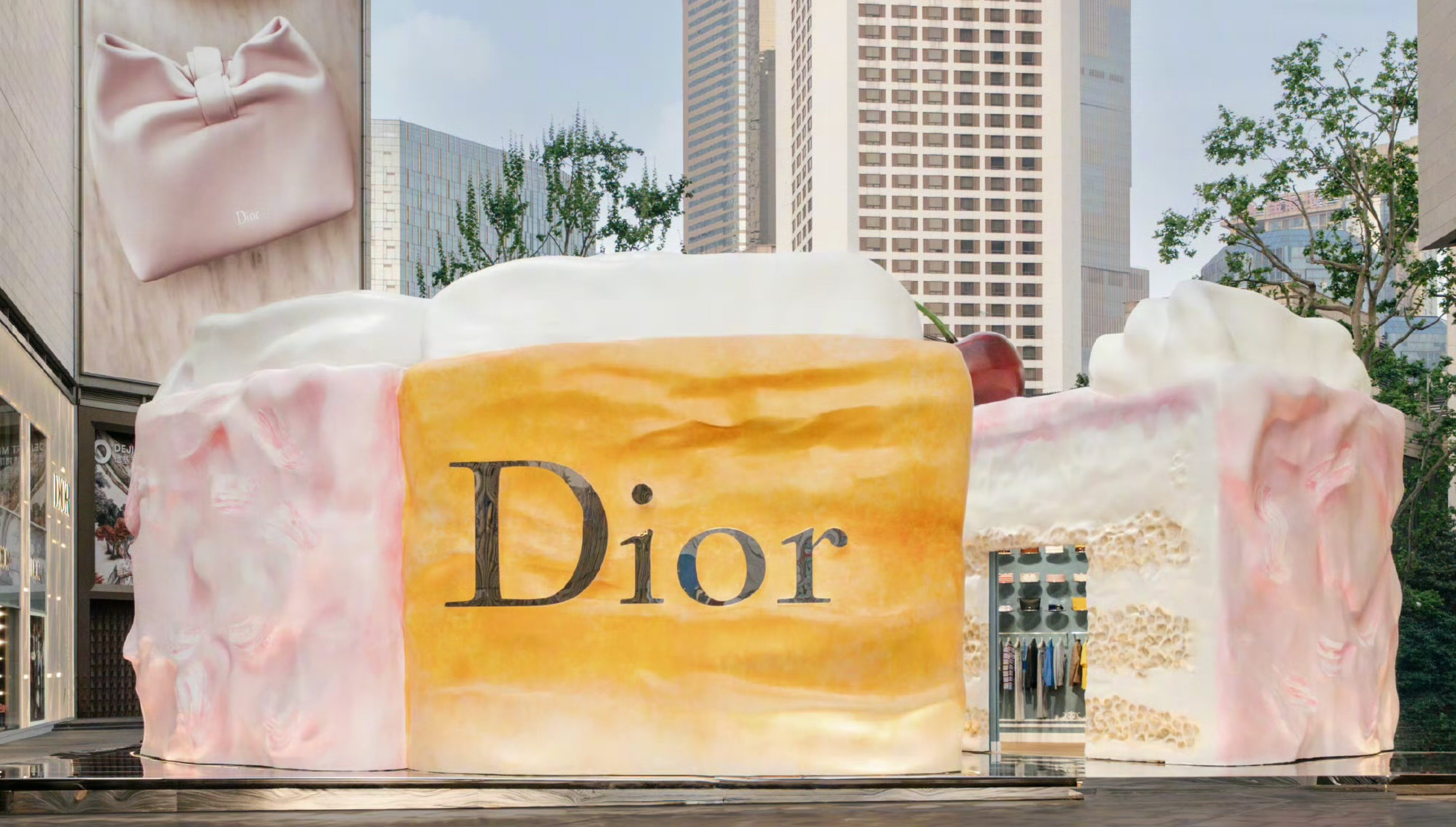
Dior launched 12 pop-up locations across China, recreating the Tuileries Garden theme from Paris Fashion Week. The campaign targets China's luxury market, which has shown signs of recovery after a 2025 slump.
Key facts
- 12 pop-up locations across China.
- Tuileries Garden theme from Paris Fashion Week.
- No investment or revenue figures disclosed.
- Targets first- and second-tier Chinese cities.
- Follows 2025 luxury market decline of 12%.
Dior launched a multi-city pop-up campaign across 12 Chinese cities, recreating the Tuileries Garden theme from Paris Fashion Week. According to @wwd, the luxury house aims to bring its Parisian aesthetic directly to Chinese consumers, bypassing traditional retail channels.
The brand did not disclose the investment amount or projected revenue uplift. This lack of specificity contrasts with typical luxury expansions in China, where brands often publicize spending to signal commitment to the market. Dior's move comes as Chinese luxury demand shows mixed signals — Bain & Company reported a 12% decline in 2025, but early 2026 data suggests a 4% uptick in high-end spending.
The pop-ups span first-tier cities like Shanghai and Beijing, but also target second- and third-tier cities such as Chengdu and Hangzhou. This tier-2 focus mirrors broader luxury strategies to capture aspirational consumers outside traditional hubs. Competitors like Louis Vuitton and Gucci have similarly expanded pop-up networks in China over the past 18 months.
The Tuileries theme, a signature of Dior's runway shows, provides a cohesive visual identity across locations. However, the campaign's success hinges on foot traffic and conversion rates, which Dior has not yet reported. The brand's reliance on physical pop-ups rather than digital-first activations suggests a bet on in-person luxury experiences.
Key Takeaways
- Dior opened 12 pop-ups across China with Tuileries theme.
- Campaign targets luxury rebound after 2025 slump.
What to watch
Watch for Dior's Q2 2026 China revenue disclosure in July, which will reveal whether the pop-up campaign drove measurable sales uplift. Also monitor competitor pop-up expansions in second-tier cities.