What Happened
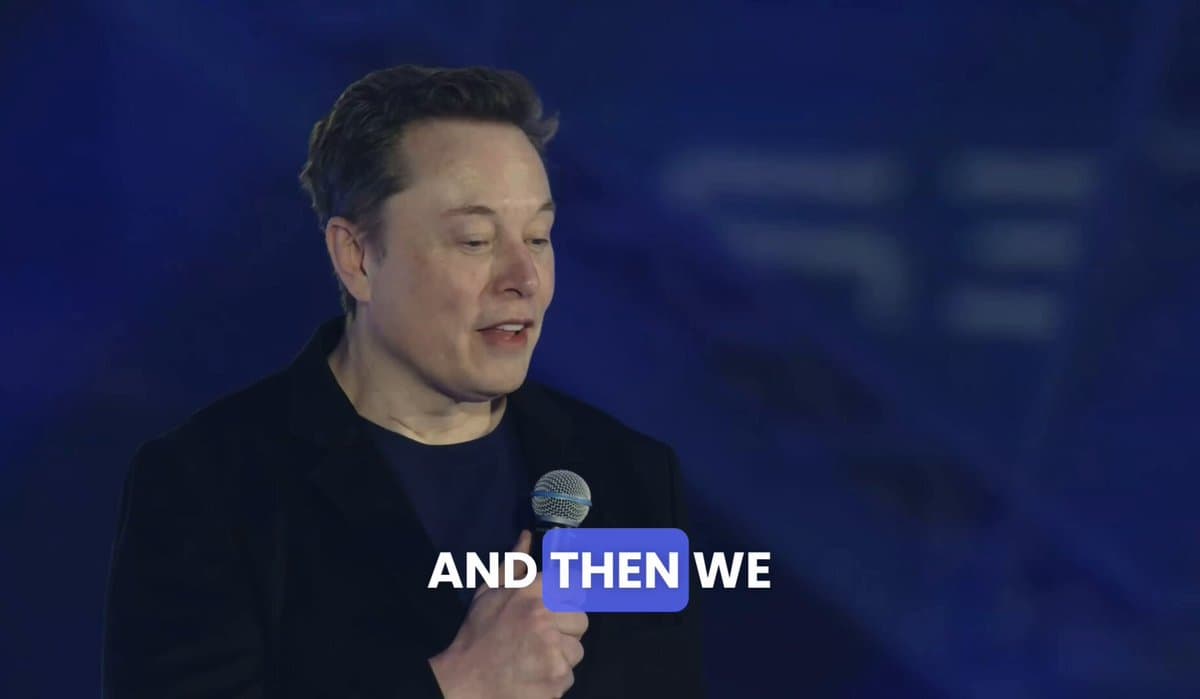
In a recent statement, Elon Musk made a speculative prediction about the long-term economic impact of artificial intelligence and robotics. He said: "Things will be free in the future. If you've got an AI or robotics economy that is anywhere close to a million times the size of the current Earth economy, literally any need you possibly want can be met."
The comment, shared via a social media post, frames a future of extreme material abundance driven by autonomous systems. Musk's premise is that a radical expansion of total economic output—by a factor of up to one million—would reduce the marginal cost of producing goods and services to near zero, making them effectively free to access.
Context
This is not a new argument for Musk. It aligns with his long-stated views on the necessity of technological acceleration to ensure human prosperity and his concerns about AI as an existential risk. The concept of "post-scarcity" economics, where automation provides for all basic needs, has been discussed in futurist and economic circles for decades, often linked to visions of advanced AI.
Musk's specific framing ties the concept directly to the scaling of an "AI or robotics economy." He provides no timeline, technical roadmap, or policy framework for this transition. The statement is a philosophical projection, not an announcement of a specific product or research breakthrough.
His companies, including Tesla (robotics, AI), xAI (LLMs), and Neuralink, are actively developing technologies that could contribute to such a automated productive base, though at a scale far from the hypothetical million-fold increase.