AI startup Emergent AI has launched a new product, the Work Stress Copilot, an autonomous AI agent designed to integrate with workplace communication platforms like Slack and Microsoft Teams. The agent’s primary function is to reduce employee cognitive load by taking over repetitive administrative tasks such as calendar scheduling, email triage, and meeting preparation.
The announcement came via a social media post from Kimmo Kärkkäinen (kimmonismus), a technical collaborator with Emergent, who highlighted the tool's focus on mitigating work-related stress. The post noted that "a surprising amount of work stress comes from administrative tasks," and positioned the Copilot as a direct solution.
Key Takeaways
- Emergent AI has launched a new 'Work Stress Copilot' agent that integrates with Slack and Microsoft Teams to autonomously manage calendar scheduling, email triage, and meeting prep.
- The tool aims to directly reduce cognitive load by automating repetitive administrative work.
What's New

The Work Stress Copilot is an always-on AI agent that operates within existing workplace chat environments. Its stated goal is to act as a proactive assistant, not a reactive chatbot. Key features include:
- Autonomous Calendar Management: The agent can schedule, reschedule, and deconflict meetings by negotiating with participants via email or chat.
- Intelligent Email Triage: It can prioritize incoming emails, draft responses for review, and surface urgent items.
- Meeting Preparation: The agent can generate agendas, compile relevant documents from company wikies or drives, and send pre-meeting reminders.
- Slack & Microsoft Teams Integration: It functions natively within these platforms, requiring no separate app or significant workflow change for users.
Technical Details & How It Works
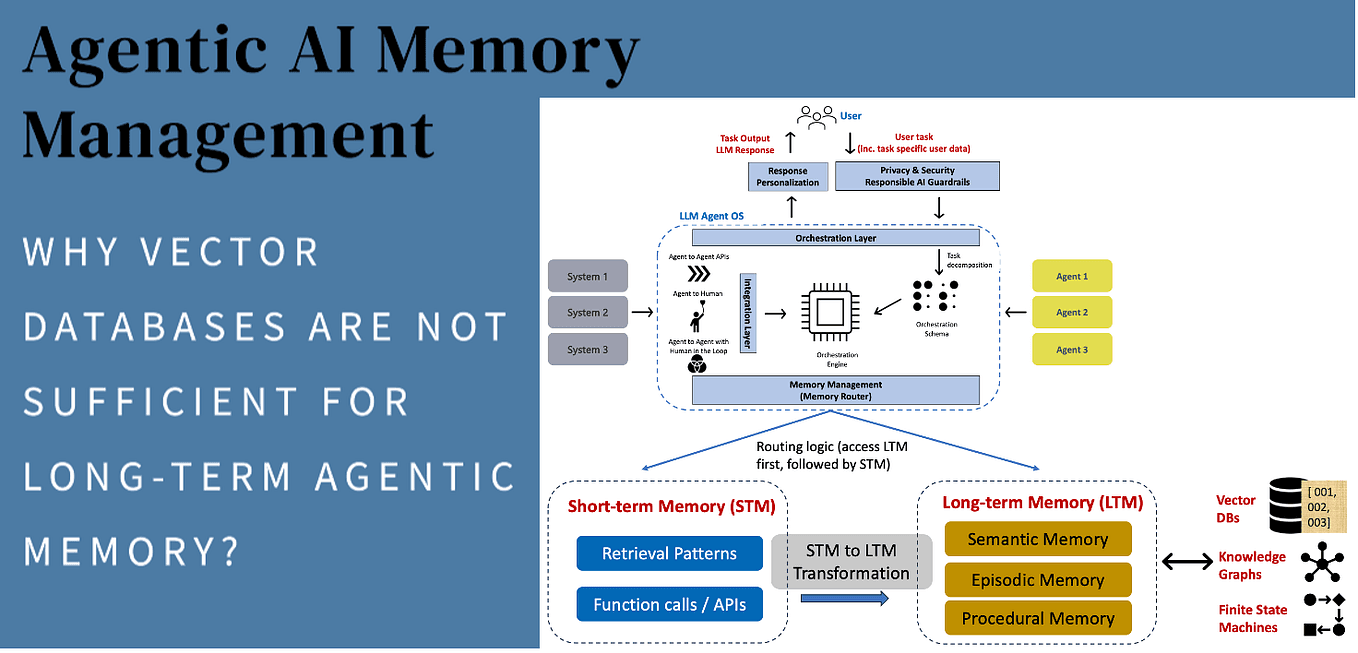
While Emergent has not released a full technical paper, the product appears to be an application of their core agentic reasoning technology. Based on the description, the Copilot likely uses a large language model (LLM) as a reasoning engine, combined with tools for API calls (to calendars, email clients, document repositories) and persistent memory to track ongoing tasks and user preferences.
The "autonomous" descriptor suggests it can execute multi-step workflows (e.g., "schedule a quarterly review with the engineering team") with minimal human intervention, asking for clarification only when necessary. Its integration into Slack and Teams indicates it uses platform-specific bots and APIs to listen for commands and post updates.
Market Context & Competition
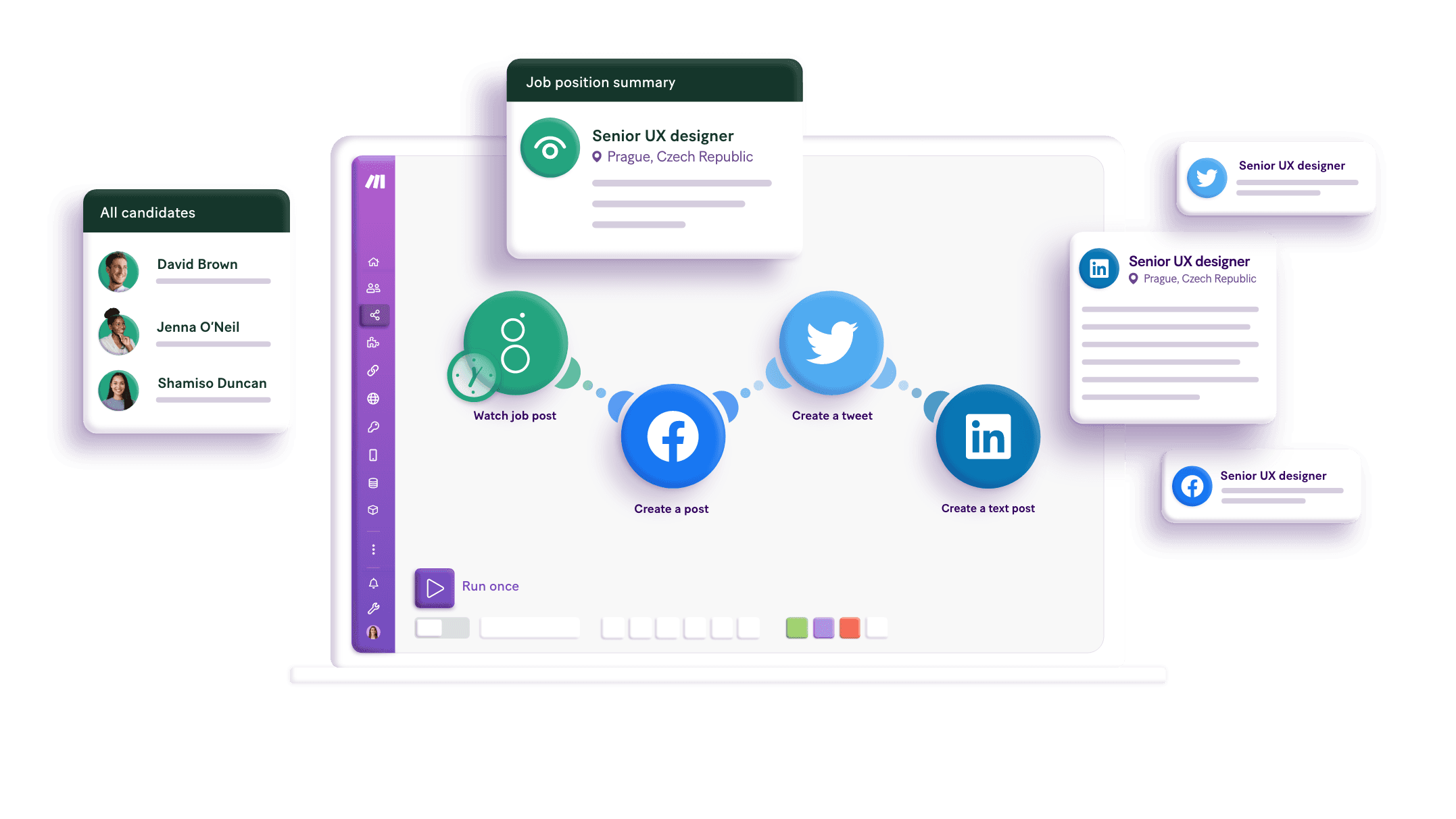
The launch places Emergent in the growing Enterprise AI Agent market, competing with products like Cognition.ai's Devin (focused on coding) and MultiOn. However, Emergent's specific focus on administrative stress and deep integration with workplace chat platforms carves a distinct niche. It also competes with more established AI-powered productivity tools like Mem.ai and Notion AI, but with a stronger emphasis on autonomous action rather than assisted creation.
gentic.news Analysis
This launch is a pragmatic and targeted application of agentic AI. Instead of chasing a general-purpose assistant, Emergent is solving a specific, high-friction point for knowledge workers: the overhead of coordination. The choice to build atop Slack and Teams is strategically sound, meeting users where they already work rather than forcing a new habit.
Technically, the challenge here is reliability and trust. For an agent to be truly "autonomous" in scheduling a meeting with a client, its reasoning and communication must be flawless. A single mis-sent email could be costly. Emergent's prior work, likely involving iterative testing with collaborators like Kärkkäinen, suggests they are focusing on making these agents robust and predictable in constrained domains before expanding their scope.
This follows a broader 2025-2026 trend of AI startups moving from pure chat interfaces to action-oriented agents. The value is shifting from generating text to completing tasks. If Emergent's Copilot can demonstrate tangible reductions in time spent on admin work (e.g., "saves 5 hours per week per employee"), it will have a compelling enterprise sales case. The key metric to watch will be user retention and task completion accuracy, not just engagement.
Frequently Asked Questions
What is the Emergent AI Work Stress Copilot?
The Emergent AI Work Stress Copilot is an autonomous AI agent that integrates with Slack and Microsoft Teams. It is designed to automatically handle administrative tasks like scheduling meetings, managing emails, and preparing for meetings to reduce cognitive load and work-related stress for employees.
How does the Emergent AI Copilot work?
The Copilot operates as a bot within Slack or Microsoft Teams. Using a large language model for reasoning, it can understand natural language requests, access your calendar and email via secure APIs, and execute multi-step tasks. For example, you could tell it to "schedule a 30-minute check-in with Alex next week," and it would find mutual availability, send an invite, and confirm the details.
Is the Emergent AI agent safe and secure?
While specific security details have not been published, any enterprise-grade AI tool operating on company data must employ robust security measures. This typically includes data encryption, strict access controls, and compliance with standards like SOC 2. Enterprises should evaluate Emergent's security and data privacy policies before deployment.
How does Emergent's Copilot differ from ChatGPT or Copilot for Microsoft 365?
ChatGPT is a general-purpose conversational AI, while Microsoft's Copilot is an AI assistant embedded in Office apps. Emergent's Copilot is different because it is autonomous and action-oriented. It's designed to perform complete tasks end-to-end with minimal oversight, specifically targeting the workflow within business communication platforms (Slack, Teams), rather than document creation.