FERC and DOE proposed new rules Thursday to fast-track AI data center grid connections. The initiative targets cutting interconnection queue times from 5 years to under 2 years for qualifying projects.
Key facts
- Interconnection queue times targeted to drop from 5 years to under 2 years.
- Qualifying projects must exceed 100 MW power demand.
- PJM and ERCOT queues have over 1,200 active requests.
- DOE estimates 40 GW AI capacity by 2030 under fast-track rules.
- Google committed $11B/year to SpaceX compute in June 2026.
U.S. energy regulators, including the Federal Energy Regulatory Commission (FERC) and the Department of Energy (DOE), proposed new rules Thursday to expedite grid interconnection for AI data centers [According to Axios](https://news.google.com/rss/articles/CBMijwFBVV95cUxQRGZJT05MdnVfNVN6dGhPaEVZOXA3dEIyMFUwSzZJQWF0bUNsS2k4YkNvWDN6UmhwaVBMV3ZtVWxlNE1xUTVpdUo1TG1iWEZXak0xZjRpYUE0UURKUElQS001dF9ad1lpWW1xNnk1SE8yYjRWakxXS25kYkVobHRXMnZPay1wbnV1MzQxamZxNA?oc=5]. The initiative targets reducing interconnection queue times from the current 5-year average to under 2 years for qualifying projects. Qualifying projects include data centers with power demands exceeding 100 MW that demonstrate a direct economic benefit to grid reliability. The new rules also mandate standardized interconnection agreements and a streamlined environmental review process for these projects.
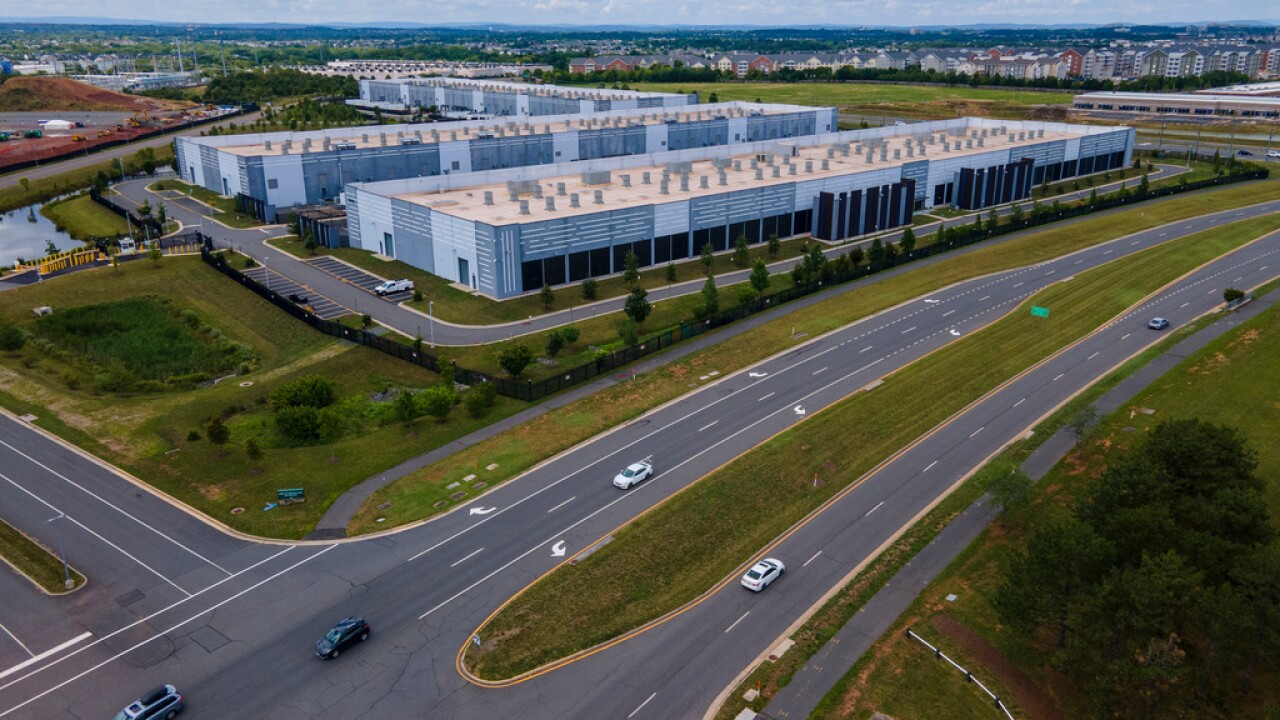
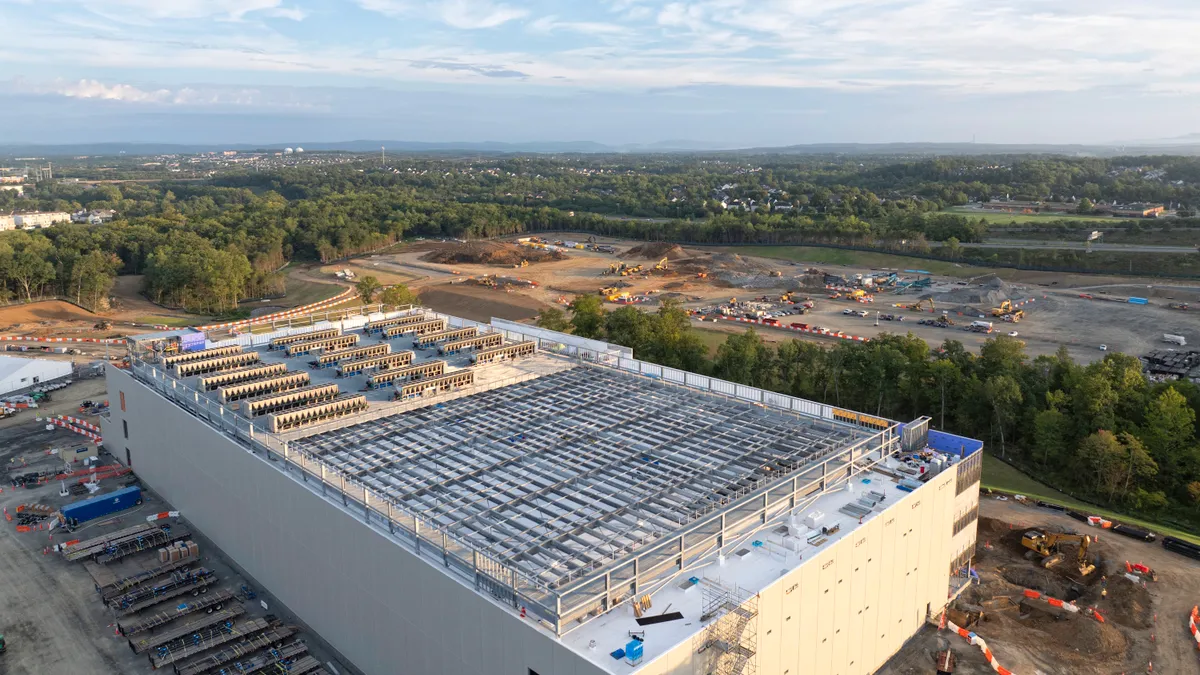
The push comes as major AI operators like Google, Amazon, and Microsoft face growing grid bottlenecks. Google alone committed $11 billion per year to SpaceX compute infrastructure in June 2026 [per our recent reporting], but those data centers still need physical power connections. The current interconnection queue in regions like PJM and ERCOT has ballooned to over 1,200 active requests, with an average wait of 5.2 years. The proposed rules aim to carve out a priority lane for AI data centers, potentially displacing some renewable energy projects in the queue.
The rules are expected to face legal challenges from existing utilities and renewable developers who argue preferential treatment violates market principles. The first test cases will be the PJM and ERCOT interconnection queues in Q3 2026. The DOE estimates that up to 40 GW of new AI data center capacity could be connected by 2030 under the fast-track rules, compared to 15 GW under current timelines.
What to watch
Watch for the Q3 2026 PJM and ERCOT interconnection queue decisions as the first test cases. Also monitor legal challenges from utilities and renewable developers, which could delay implementation. The DOE's 40 GW capacity estimate by 2030 will be a key metric to track against actual approvals.
Source: news.google.com
[Updated 24 Jun via gn_ai_data_center]
A separate bill moving through Congress would require tech companies to pay for the energy costs of AI data centers [per CNBC]. The legislation, which has bipartisan support, could shift the financial burden of grid upgrades from ratepayers to data center operators, potentially altering the economics of fast-tracked interconnection projects.