The Innovation — What the source reports
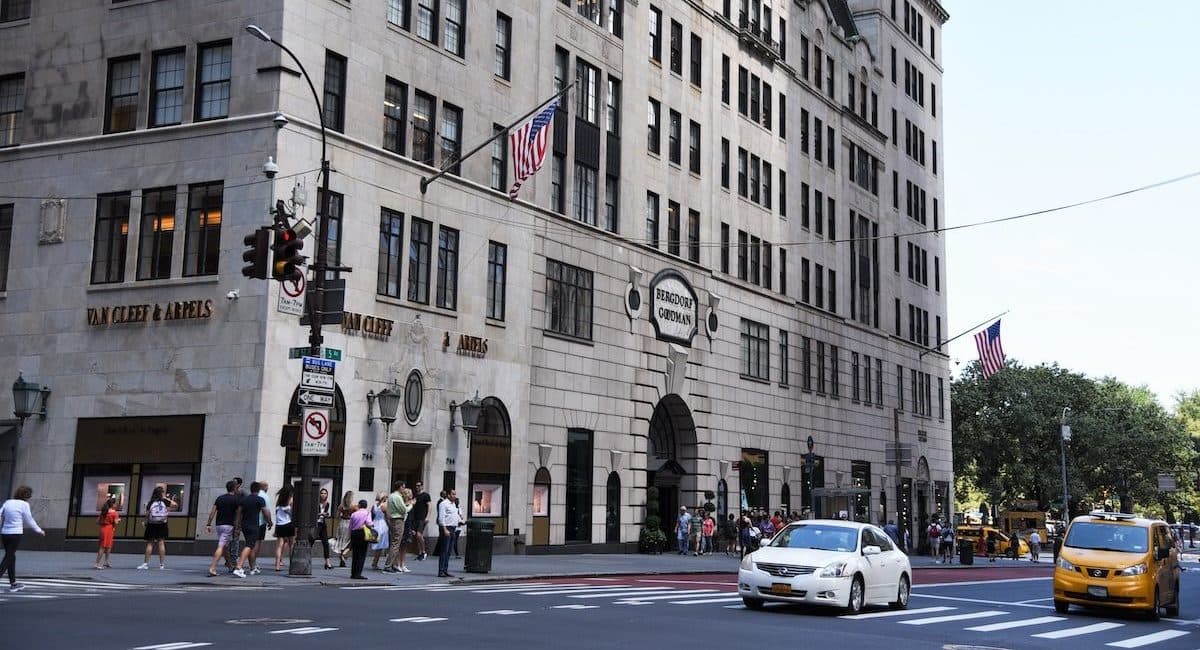
Fifth Avenue, the storied retail corridor stretching from 49th to 60th Streets in Midtown Manhattan, is undergoing a significant physical transformation. The Fifth Avenue Association, the nonprofit Business Improvement District (BID) managing the area since 1907, is finalizing a $402 million redesign aimed at increasing pedestrian flow and improving the overall experience. This initiative comes as the district recovers from the pandemic and seeks to court a broader mix of tenants, moving beyond its traditional luxury stronghold.
The Association, which automatically represents all tenants and property owners within the BID's boundaries, acts as a critical conduit between brands and local government. Its 50 employees handle everything from advisory services and tourist assistance to mundane but vital tasks like snow shoveling. President Ed Pincar emphasizes the organization's mission is to "highlight the district and upgrade the experience," ensuring safety and welcome for the immense daily foot traffic. With rents exceeding $2,000 per square foot annually, the pressure to maintain Fifth Avenue's status as "the most attractive street in the world" is immense. The redesign is a proactive bet on the future of physical retail, focusing on the foundational elements of accessibility, safety, and aesthetic appeal.
Why This Matters for Retail & Luxury
For luxury and retail brands, a flagship on Fifth Avenue is more than a store; it's a global billboard, a brand temple, and a critical profit center. This physical evolution has direct implications:
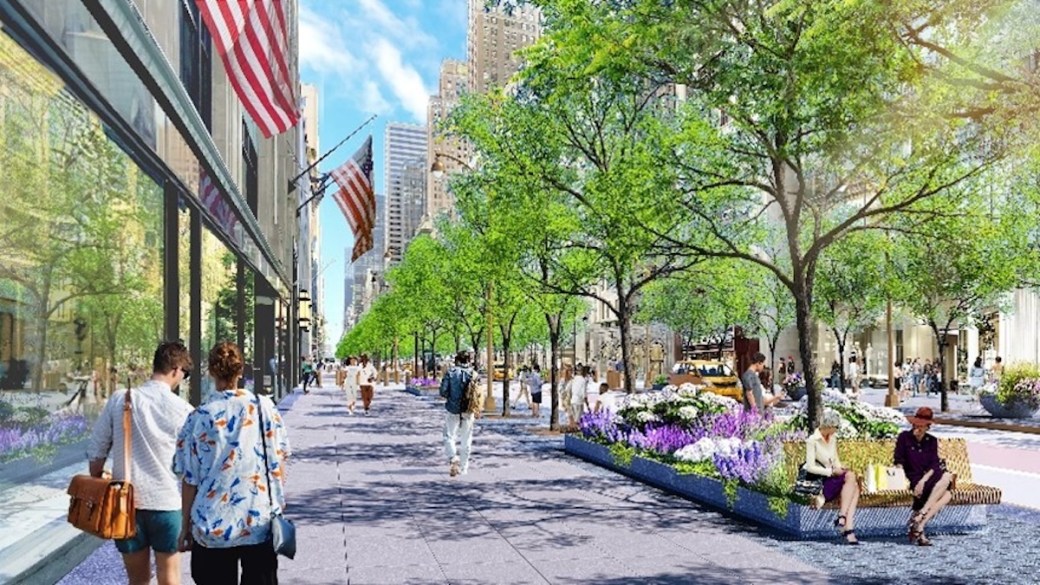
- Enhanced Pedestrian Flow as a KPI: The explicit goal to improve pedestrian movement directly impacts storefront visibility and potential footfall. A more pleasant, less congested sidewalk experience can increase dwell time and conversion rates for adjacent stores.
- Tenant Diversification Strategy: The Association's stated goal to attract "all types of tenants (not just luxury ones)" signals a strategic shift. This could create a more dynamic retail ecosystem, where luxury flagships are complemented by premium contemporary, experiential, and F&B brands, potentially drawing a wider, more consistent audience throughout the day and week.
- The Physical-Digital Nexus: In an era dominated by e-commerce, the investment reaffirms the irreplaceable value of ultra-prime physical locations for brand building, immersive experiences, and high-value clienteling. The redesign is an infrastructure upgrade for the "phygital" future.
- Operational Synergy: The Association's role in streamlining permits for sidewalk cafés and managing public realm issues (scaffolding, trash) reduces operational friction for brands, allowing them to focus more on customer experience within their four walls.
Business Impact — Quantified if available, honest if not
The source provides one clear, staggering metric: the $402 million capital investment in the public realm. This is a quantifiable vote of confidence in the future of the corridor. The high rent figure ($2,000+/sq ft/year) sets the baseline economic performance required from tenants, underscoring that only highly productive retail concepts can survive here.
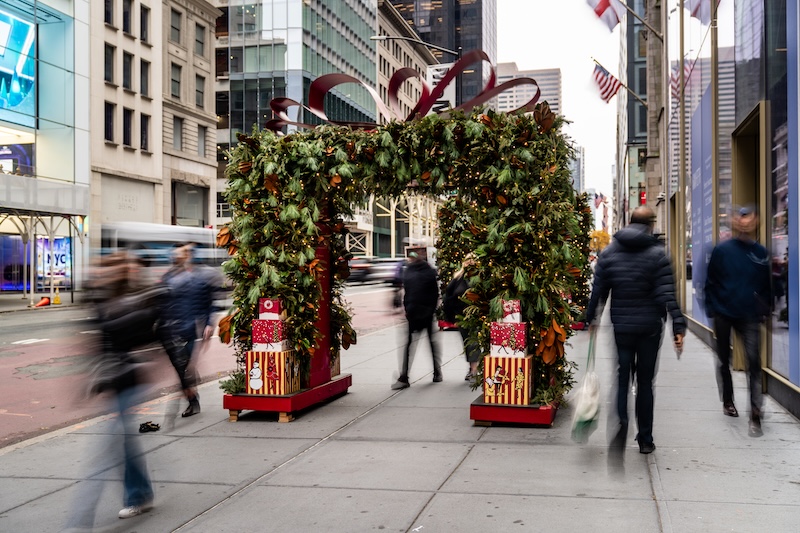
The business impact of the redesign itself—in terms of increased sales, foot traffic, or rental premiums—is not yet quantified in the source material, as the project is still being finalized. The impact is prospective and strategic, aimed at future-proofing the avenue's appeal against competing global destinations and shifting consumer habits. The success metric will be the district's ability to maintain its premium status, attract best-in-class tenants, and support their commercial success over the coming decade.
Implementation Approach — Technical requirements, complexity, effort
Implementation is a massive public-private undertaking led by the Fifth Avenue Association. The complexity is multifaceted:
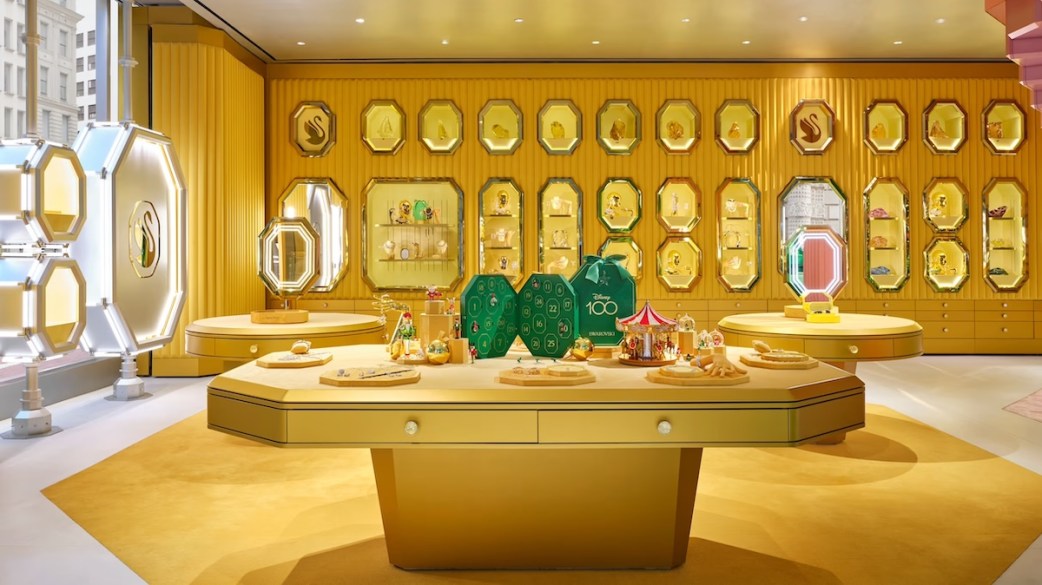
- Capital Project Management: Coordinating a $402 million infrastructure overhaul in one of the world's busiest, most economically critical districts, with minimal disruption to daily commerce and tourism.
- Stakeholder Alignment: The Association must align the interests of powerful landlords, global brand tenants, city agencies (transportation, parks, sanitation), and the public.
- Design Excellence: The redesign must meet functional goals (pedestrian flow, safety) while achieving a level of aesthetic sophistication befitting the avenue's luxury identity.
- Long-term Stewardship: The project is not a one-off; it requires the Association's ongoing, hands-on management for maintenance, programming, and continuous improvement.
The effort is monumental, requiring expertise in urban planning, civil engineering, luxury brand management, and municipal diplomacy.
Governance & Risk Assessment — Privacy, bias, maturity level
This initiative is a mature, well-established governance model (a 117-year-old BID) applied to a physical urban challenge. The risks are not related to AI ethics but to urban economics and placemaking:
- Execution Risk: Construction delays, cost overruns, or a design that fails to meet its objectives could temporarily harm the tenant experience and brand perception.
- Tenant Mix Risk: An overly aggressive diversification away from luxury could dilute the exclusive aura that defines Fifth Avenue's global appeal. Finding the right balance is critical.
- Economic Cycle Risk: The investment is long-term, but retail is susceptible to macroeconomic downturns. The avenue's resilience will be tested in future recessions.
- Competitive Risk: Other global cities are continuously upgrading their premier shopping districts. Fifth Avenue must innovate to stay ahead.
The governance appears robust, with a dedicated, funded organization acting as a single point of contact and advocacy. This centralized management is a key asset in mitigating these risks.